7 Creative Ideas to Create an Iconic Brand Identity
A brand is a living entity- and it is enriched or undermined cumulatively over time, the product of a thousand small gestures.
-Michael Eisner
You’ve heard the advice a thousand times.
And it’s true- there are countless brands in the world today! Thousands of brands are successful, and hundreds are dominant; only a few are iconic. What distinguishes these iconic brands from just ‘brands’, and what can we learn from them?
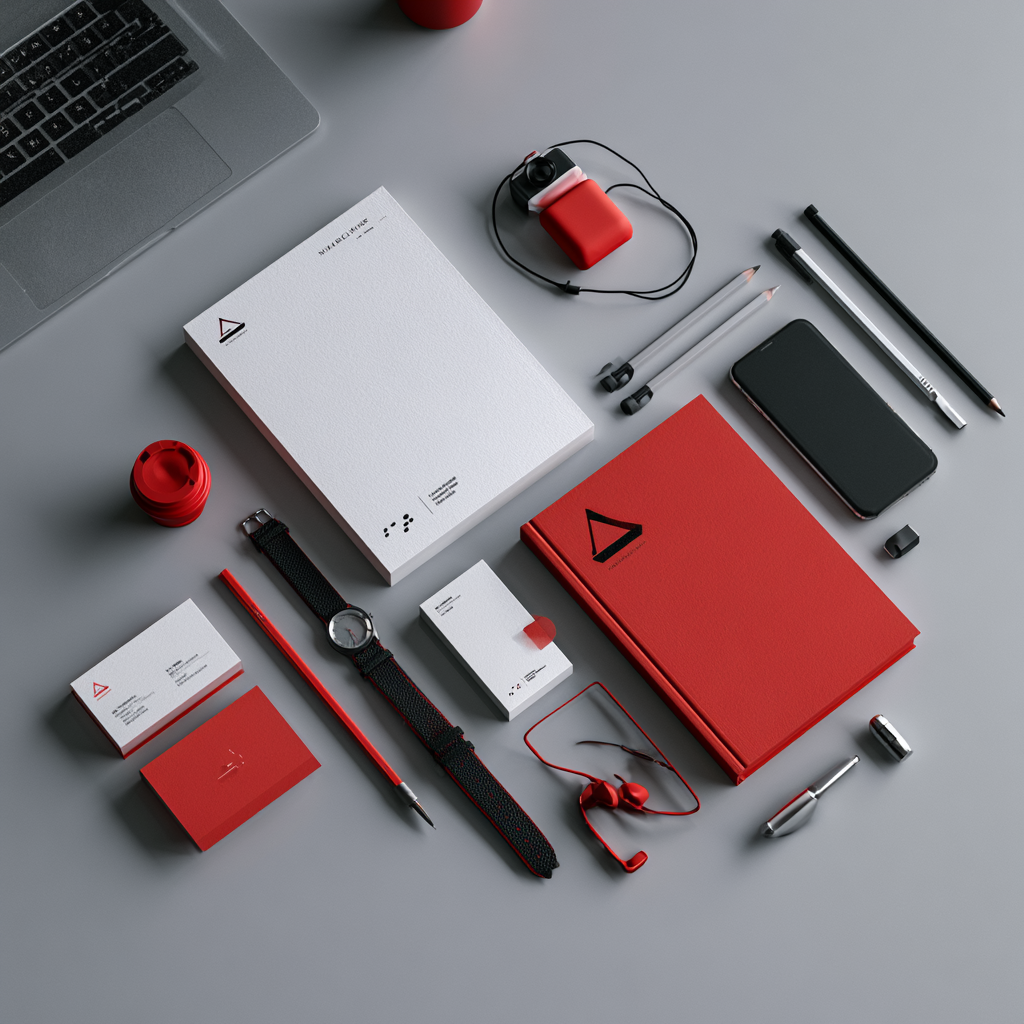
A powerful brand holds a strong brand identity that includes various components such as name, logo, tagline, graphics, color, shape, typography, sound, smell, etc. The best thing about icons is that you recognize them at a glance. These brands transcend their product/service and become a part of popular culture.
Iconic brands are instantly recognizable, such as Nike, Coca-Cola, Google, Apple, and FedEx. These brands put consistent effort in their product and service, the environment it appears in, and their tone of voice. Sometimes it’s difficult for many businesses to deliver on all of this consistently. The following branding tips will help you create a brand strategy that establishes a unique, iconic brand identity.
A compelling name
First, you need a unique and compelling name for your business or brand. It gives your business recognition across your website, social media channels, products, merchandise, and marketing materials.
So, if you create a unique, memorable business name using a business name generator, people will find it easier to connect with your brand. It will also help people recognize your brand more easily.
Keep the brand name simple and easy for people to remember and recall.
Unique logo or wordmark
A logo is the core of brand identity, and therefore you need to create a unique yet memorable logo for your business. You can create a logo as a graphic symbol, which is easy to remember and recall. However, creating a symbolic logo can be difficult, time-consuming, and costly. If you cannot design a memorable logo in a traditional style (symbol graphic), consider a wordmark or logotype.
A well-crafted wordmark can represent your brand with professionalism. Many brands have strong wordmarks, such as Coca-Cola, CNN, Mobil, and FedEx. Make sure your logo always renders consistently.
Clear and straightforward statement
Your brand tagline says a lot about your business. Be clear and specific when creating a tagline or statement for your brand. Basically, it captures the essence of the value that a brand provides to its customers in just one or two concise sentences. Start with your Unique Advantage Point (UAP) when developing the perfect tagline.
Just think: how can your business or product make your customers’ lives better? If your tagline answers that question, it will connect people with your brand. Focus on the message you want to share with your audience; if it gives a clear perspective and motivates them to try something extraordinary, you have a great tagline. Uber’s new mission statement is a great example. They changed the old statement “Make transportation as reliable as running water, everywhere, for everyone.” to the new statement “We ignite opportunity by setting the world in motion.” for a clearer and better perspective.
Identify key colors
Identify colors for your brand logo; usually, businesses choose one or two key colors. You can also create a corporate color palette by including other secondary colors.
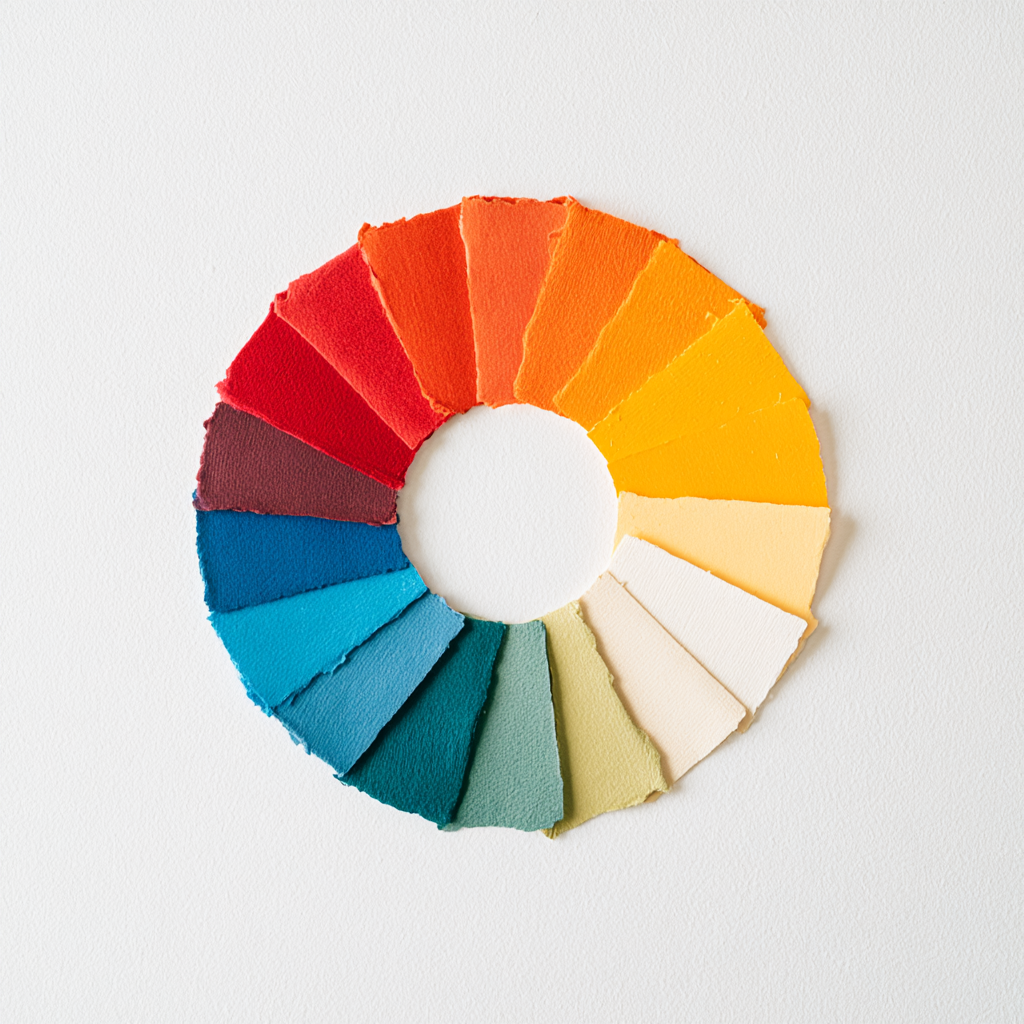
The following are the meaningful and emotional essence of different colors:
- Red represents passion, importance, and attention.
- Orange color shows playfulness, friendliness, and vitality.
- Yellow represents happiness, optimism, and warning.
- Green symbolizes nature, stability, prosperity, and growth.
- Blue represents professionalism, security, and formality.
- Purple represents royalty, creativity, and luxury.
- Pink shows femininity, youth, and innocence.
- White gives you a clean, virtuous, and healthy perspective.
- Black is powerful, sophisticated, and edgy.
Select colors strategically, aiming for a fine balance between the company’s values and the effects you want on people who interact with your brand.
Standard typography
Standardize the typography for your business. A brand’s typographic identity includes key text- brand name and punchline. Choose a font for each. You also need to define a consistent way of writing headlines, which will give your brand a distinct voice.
Make sure the chosen fonts are easy to read and work well with all your printed materials.
A compelling story
No matter what happens, stay true to your brand story and values. That’s where iconic brands distinguish themselves. Iconic brands are always true to customers and themselves. User-generated content is also a great way to create a compelling brand story. That’s where people share their experiences, and when you include them in your story, they’ll connect with and engage your brand.
Consistent style
Finally, consistency in everything you do to promote and communicate about your brand is key to building an iconic brand. However, building an iconic brand takes time. Consistency creates familiarity, which breeds trust, and ultimately it leads to iconic brands.
Whether you are speaking with your customers, sending an email campaign, communicating on social media, hosting an event, or doing a press conference, you need to be consistent in everything and everywhere.
Make sure that your brand identity is consistent everywhere and in everything you do to promote your business.
These tips will help you create a solid brand strategy and a memorable brand identity for your business. However, you need to put in consistent effort over time. Building an iconic brand takes time, patience, and careful crafting. That’s the way to create an iconic brand that people love, and that’s how you will be able to measure brand success.
Here are 7 targeted FAQs designed specifically for this article (“7 Creative Ideas to Create an Iconic Brand Identity”). You can add these directly to the bottom of the blog post or format them into FAQ Schema markup for search engine optimization.
Frequently Asked Questions
1. What is the difference between a regular brand and an iconic brand?
A standard brand focuses primarily on selling a product or service. An iconic brand transcends its offerings to become an recognizable part of popular culture. Iconic brands—like Apple, Nike, and Coca-Cola—build deep emotional connections with their audience through consistent values, memorable visuals, and powerful storytelling.
2. Why is consistency important in building a brand identity?
Consistency builds familiarity, which naturally leads to trust. Whether customers interact with your business through social media, email campaigns, your website, or product packaging, maintaining a uniform style and tone reinforces your brand’s reliability and professional credibility over time.
3. Should I choose a symbolic logo or a wordmark for my business?
It depends on your resources and strategy. Symbolic logos (graphic icons) are great for visual recall, but they can be costly and complex to design effectively. If creating a unique symbol is difficult, a well-crafted wordmark (like FedEx or Coca-Cola) provides a clean, highly professional visual identity that is easier to standardize.
4. How does color psychology impact brand identity?
Colors evoke specific emotions and shape how people perceive your business. For instance, blue conveys trust, security, and professionalism; red creates urgency and passion; and green represents growth, stability, and nature. Strategic color selection helps align your brand’s visual presence with its core values.
5. What elements make a brand tagline or statement effective?
An effective tagline captures the essence of your business’s unique value in one or two concise sentences. Instead of simply describing what you sell, a strong statement explains how your product or service improves the customer’s life or solves their specific problem.
6. How does brand storytelling help connect with customers?
Storytelling gives your brand a human touch. By staying true to your story and incorporating authentic customer experiences (such as user-generated content), you invite your audience to join your brand journey, fostering long-term loyalty.
7. How long does it take to build an iconic brand identity?
Building an iconic brand does not happen overnight—it is a cumulative process requiring time, patience, and sustained effort. It relies on making consistent, positive gestures across all customer touchpoints over many months and years.
Conclusion
Building an iconic brand isn’t about chasing short-term trends or launching a flashy design overhaul—it’s about committing to consistency, authenticity, and clear communication at every touchpoint. From a memorable name and a purposeful color palette to an engaging brand story, every detail you refine shapes how the world perceives your business.
Iconic status isn’t built overnight. It’s earned step by step, interaction by interaction. By applying these seven core principles, you give your business more than just a polished look—you lay the foundation for a resilient identity that earns lasting customer trust, sets you apart from competitors, and grows alongside your business for years to come.