Parts Of A Website – A Beginner Guide To Website Sections
Are you new to the world of website design and unsure about the different parts that make up a website? Don’t worry, we’ve got you covered! In this beginner’s guide, we will walk you through the various sections of a website and explain their importance. By the end of this article, you’ll have a clear understanding of the header, main content area, navigation menu, sidebar, and footer.
The first section we’ll explore is the header, which is essentially the face of your website. It’s the first thing visitors see when they land on your site, so it’s important to make a welcoming first impression. We’ll delve into the elements that make up a header and discuss how to create a visually appealing and user-friendly design. Next, we’ll move on to the main content area, where you communicate the purpose and message of your website. We’ll talk about the different types of content you can include and how to structure it effectively to engage your audience. So, whether you’re building a personal blog or an e-commerce site, understanding these website sections is crucial for creating a successful online presence.
The Header: Creating a Welcoming First Impression
Make sure your website’s header is inviting and engaging to create a warm and welcoming first impression for your visitors. The header is the first thing that users see when they visit your website, so it is crucial to make it visually appealing and informative. You can achieve this by using high-quality images, a clean and modern design, and clear navigation options. Include your logo and tagline in the header to establish your brand identity and give visitors a sense of what your website is about. Additionally, consider adding a call-to-action button in the header to encourage users to take a specific action, such as signing up for a newsletter or exploring your products and services.
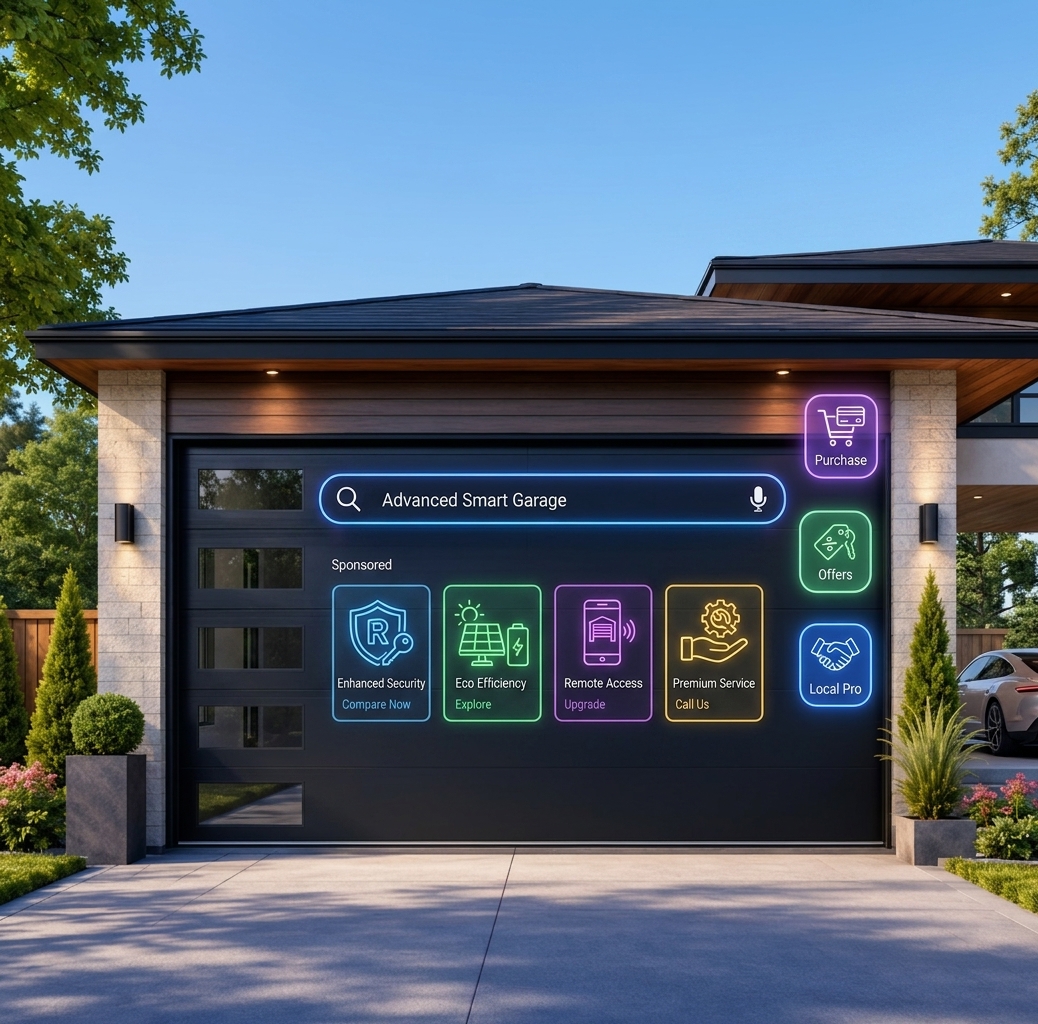
Example 1

Example 2

Apart from aesthetics, the header should also provide important information to visitors. Include a search bar to make it easy for users to find what they want on your website. Display your contact information prominently, such as your phone number or email address, so visitors can easily contact you if needed. Adding links to your social media profiles in the header is also a good idea, allowing users to connect with you on different platforms. By paying attention to the design and content of your website’s header, you can create a positive first impression and encourage visitors to explore further.
The Main Content Area: Communicating the Purpose and Message
Conveying the purpose and message effectively is crucial in the main content area of a website. This section presents the website’s main information and offerings to the visitors. It is important to ensure that the content is clear, concise, and engaging, as it plays a significant role in capturing the attention of the users and keeping them interested in exploring further. The main content area should be visually appealing, with a well-organized layout that guides the users’ eyes through the information and highlights the most important points. Headings, subheadings, bullet points, and relevant visuals can help break up the text and make it easier to read and understand. Additionally, it is essential to use language tailored to the target audience and speak directly to their needs and interests. The website can effectively communicate its purpose and message, ensuring that visitors stay engaged and find value in the content.
In the main content area, it is also important to provide relevant and valuable information that aligns with the website’s purpose. Whether it is showcasing products and services, providing educational resources, or sharing news and updates, the content should be informative and useful to the visitors. It should answer their questions, address their pain points, and offer solutions or benefits. Additionally, incorporating visual elements such as images, videos, or infographics can enhance the message and make the content more engaging. However, it is important to balance text and visuals, ensuring the content remains easy to navigate and understand. The main content area should also include clear calls to action, guiding the users towards the desired action, such as making a purchase, signing up for a newsletter, or contacting the business. By effectively conveying the purpose and message in the main content area, a website can create a positive user experience and increase the likelihood of achieving its goals.
The Navigation Menu: Guiding Visitors Through the Website
With the intuitive and user-friendly navigation menu, navigate through the website effortlessly and discover a world of possibilities. The menu serves as the roadmap for visitors, guiding them through different sections of the website. It typically appears at the top or side of the webpage and consists of clickable links that lead to various pages or sections.
The primary purpose of the navigation menu is to provide easy access to different parts of the website, allowing visitors to find the information or features they are looking for quickly. It helps them navigate between different pages, explore different categories, or access specific website sections. A well-designed navigation menu should be clear, organized, and visually appealing, making it easier for users to understand and use. It should also be consistent across all pages, ensuring visitors can easily move between different sections without getting confused or lost. Make sure to consult a web design company so that your navigation menu is both user-friendly and optimized for accessibility. Their expertise can help create intuitive designs that engage visitors and improve overall site performance.
The Sidebar: Providing Additional Information and Features
The sidebar, a hidden gem of useful information and extra features, adds depth and functionality to the website. Positioned on the side of the main content, the sidebar is a valuable tool for providing additional information and enhancing the user experience. It typically contains widgets, such as search bars, social media buttons, recent posts, and categories, allowing visitors to quickly access specific content or navigate the website more easily. By including these features in the sidebar, website owners can make it easier for users to find what they are looking for and encourage them to explore more of the site.
In addition to providing quick access to various website sections, the sidebar also serves as a space for displaying advertisements or promoting related products and services. This can be particularly beneficial for website owners who want to monetize their site or increase engagement with their audience. By strategically placing ads or promoting relevant content in the sidebar, they can capture the attention of visitors and potentially generate revenue. Furthermore, the sidebar can be customized to match the overall design and branding of the website, making it a visually appealing and cohesive part of the user interface. Overall, the sidebar is an essential element of a website that enhances its functionality, improves user navigation, and offers additional opportunities for engagement and monetization.
The Footer: Wrapping Up the Website Experience
End your website experience on a high note by utilizing the footer, a valuable space that enhances user engagement and offers a seamless transition to other relevant content. The footer is typically located at the bottom of a webpage and is a navigation tool for users to quickly access important information. It often contains links to the website’s privacy policy, terms of service, contact information, and social media profiles. By including these essential links in the footer, users can easily find the information they need without having to scroll back to the top of the page or search through menus. This convenience not only improves user experience but also increases the chances of users staying on the website for more extended periods.
Footers on a website are essential for providing visitors with additional information and navigation options. Here’s a list of things you might consider including in your footer:
- Contact Details: Phone number, email address and physical address.
- About Us: Brief about the company/individual. Link to the ‘About Us’ page.
- Social Media Icons: Links to profiles on platforms like Facebook, Twitter, Instagram, LinkedIn, etc.
- Navigation: Link to popular or important pages on your website.
- Site Map: Links to various sections or pages of the site.
- Privacy Policy: Link to the privacy policy page detailing how user data is handled.
- Terms of Service: Link to the terms and conditions or terms of service page.
- Copyright Notice: Copyright symbol, year, and ownership information.
- Support/Help: Link to customer service or support page.
- Newsletter Signup: Form or link for users to subscribe to newsletters or updates.
- Call to Action: Encourage users to take a specific action, like purchasing or signing up.
- Offers & Discounts: Highlight any ongoing offers, discounts, or deals.
- Accessibility Options: Links or icons for accessibility features (e.g., contrast, text size).
- Language Options: Language toggle or select options for multilingual websites.
- Download Links: Link to download the mobile app or software if applicable.
- Testimonials: Small snippets of positive reviews or customer testimonials.
- Awards & Recognitions: Display any awards, certifications, or recognitions.
- Blog: Link to the blog section of the website.
- Events: Information about upcoming events or webinars.
- Career Opportunities: Link to the careers or jobs page.
- Affiliations: Logos or links to affiliated organizations or certifications.
Remember that the footer is a crucial element of web design, providing users with important information and further navigation options. Ensuring it’s organized, visually clean, and user-friendly is vital for enhancing user experience and accessibility.
In addition to providing important links, the footer can also be used to display additional content that complements the main website. This could include related articles, recent blog posts, or even a newsletter signup form. By offering relevant content in the footer, website owners can encourage users to explore further and engage with the website beyond the initial page they landed on. This not only increases user engagement but also helps to keep visitors on the website for longer, decreasing the bounce rate and improving the overall success of the website. Therefore, website owners must utilize the footer effectively and make the most out of this valuable space.
Frequently Asked Questions
How can I optimize the header to improve the loading speed of my website?
To optimize the header and improve website loading speed, you can reduce the file size of header images, minimize the use of external scripts, and utilize caching techniques. These steps will help enhance the overall performance of your website.
Are there any specific guidelines for organizing the main content area to enhance readability?
Yes, there are guidelines for organizing the main content area to enhance readability. These include breaking up the content into sections with clear headings, using bullet points or numbered lists, and incorporating visual elements such as images or infographics.
How can I create a responsive navigation menu that works well on mobile devices?
To create a responsive navigation menu for mobile devices, avoid using hover effects and instead use a hamburger menu icon. Utilize media queries to adjust the menu layout and font size, ensuring it is easily clickable and readable on smaller screens.
What are some effective ways to utilize the sidebar to engage and retain visitors?
Some effective ways to engage and retain visitors through the sidebar include showcasing popular or related content, promoting social media profiles, offering a subscription option, and displaying interactive elements like polls or quizzes.
Are there any best practices for designing a visually appealing and functional footer?
Best practices for designing a visually appealing and functional footer include keeping it clean and uncluttered, using a consistent color scheme, incorporating essential links and contact information, and making it responsive for different devices.
Conclusion
In conclusion, understanding the different parts of a website is essential for beginners who want to create an effective and user-friendly online presence. The header plays a crucial role in creating a welcoming first impression, while the main content area communicates the purpose and message of the website. The navigation menu guides visitors through the various sections, while the sidebar provides additional information and features. Lastly, the footer wraps up the website experience, offering important links and contact information.
By paying attention to these sections and utilizing them effectively, beginners can create a website that is both visually appealing and easy to navigate. Remember to keep the design clean and organized, ensuring that each section serves a specific purpose. With the right balance of content and functionality, beginners can build a website that engages visitors and conveys their message effectively. So, don’t be intimidated by the process – embrace it and watch your website come to life!