The Evolutionary Impact of Mobile Apps on Logistics: A Comprehensive Analysis and Case Study
Mobile Apps are the leading tools transforming the prospects for the logistics and supply chain industry. From enhancing productivity and growth opportunities to completely revolutionizing transportation handling, these apps have made the process seamless. In this article, we will provide a comprehensive analysis of how mobile apps have become an indispensable part of the logistics industry. So, let’s begin!
The Rise of Mobile Apps in Logistics
Mobile app developers have been crucial players in this transformation of the logistics industry. Switching to logistics mobile apps is not just a trend to follow but a fundamental change that completely transforms the industry into a customer-centric one.
 By leveraging these apps, businesses can significantly increase efficiency, reduce costs, and improve customer satisfaction. Moreover, a wide user base, real-time tracking, optimized delivery routes, and enhanced service quality solidify its industry rise.
Benefits of Logistic Mobile Apps
Here are the key benefits logistics mobile apps offer.
 Integrating Real-Time Data
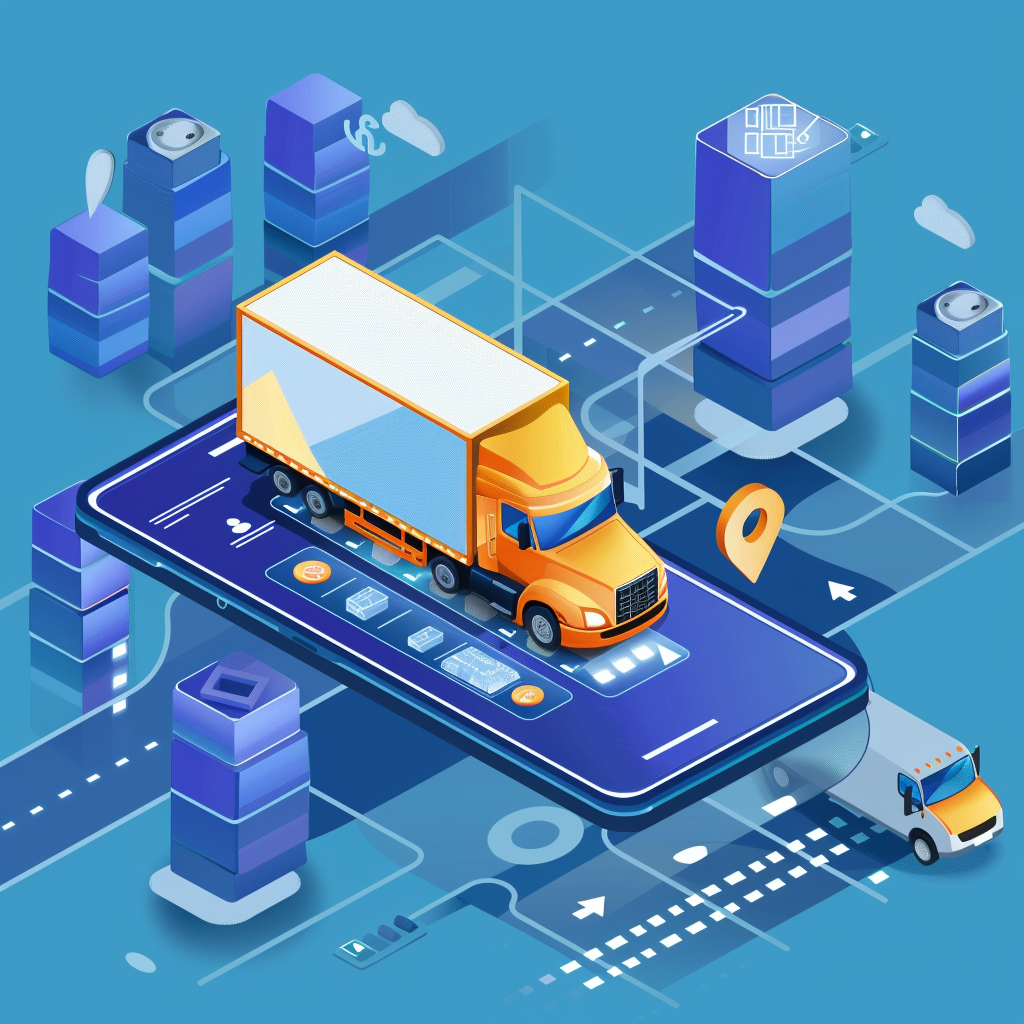
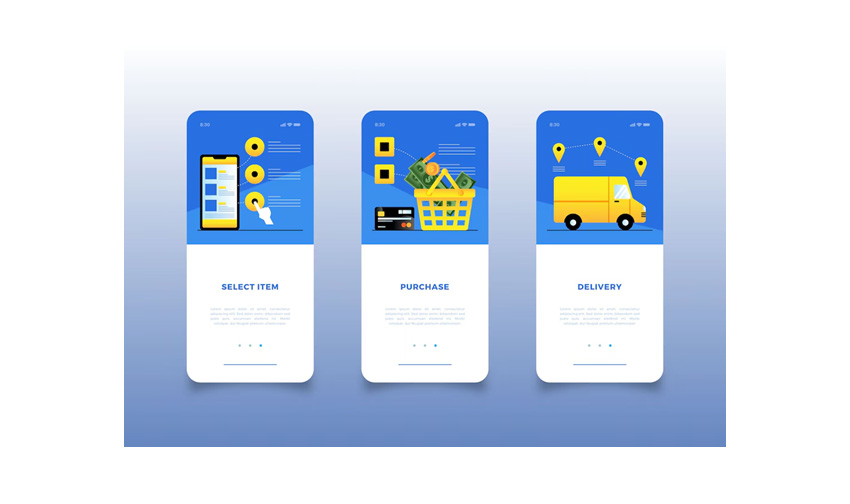
Real-time tracking is one of the remarkable features logistics mobile apps offer. Users can access everything from tracking their shipment’s location and speed to the route and estimated arrival time.
Moreover, it immediately notifies users about any disruptions in the delivery process. Logistics companies can track shipments using GPS technology to ensure a seamless user experience, which is particularly vital for a same-day delivery courier service where every minute matters in maintaining a reliable supply chain.
Enhance Customer Experience
Logistic mobile apps provide transparency to customers throughout the entire journey of their package. Customers can track when their shipment is arriving.
This enables businesses to avoid delays, resolve issues promptly, and maintain uninterrupted operations.
Seamless Inventory Management
In logistics, inventory management is a crucial yet complex step. Mobile apps help businesses easily track available inventory and restock items as needed.
It prevents businesses from scenarios such as out-of-stock or overstocking, ensuring the cargo is monitored effectively.
Quick And Accurate Processing
Businesses can access delivery information on their mobile apps. This enables them to eliminate manual processes and make quick decisions.
It allows them to confirm orders instantly, reduce processing errors, and automate data entries accurately. > Mobile-friendly delivery management software allows them to confirm orders instantly, reduce processing errors, and automate data entries accurately.
Case Study: Companies Using Mobile Apps In The Logistics
1. Amazon
Amazon, the world’s leading e-commerce company, delivers orders to customers efficiently and precisely with its logistics team. Yet it faces significant challenges in route planning, higher operational costs, and inconsistent deliveries.
Additionally, users faced coordination issues with the delivery drivers. It has retarded the overall logistic process.
App Development
With the growing demand for more seamless and efficient logistics operations, Amazon has developed its own logistics mobile app, Amazon Flex. This app allows delivery drivers to access delivery routes, scan packages, and notify of delivery status in real-time.
Results
As a result of their new logistics app:
- The delivery routines and schedules are optimized, resulting in a quick delivery time.
- Real-time updates on apps related to orders and delivery times boost customer satisfaction.
- Amazon Flex is a 4.5-star* rating app on iOS and the Play Store.
- Of the $574 billion in revenue in 2023, 15% is attributed to its online presence.
2. DHL
DHL Express is an international specialist that fulfills the shipment needs of customers and businesses. It’s considered the fastest and most reliable shipment service provider, claiming to deliver across 220 countries.
App Development
In the modern era, efficient shipping operations are essential for customers, small businesses, and enterprises. The DHL Express Mobile app is a dynamic solution that elevates the shipping experience.
Results
The new logistics mobile app:
- Offers its users flexibility in communication, allowing them to choose the notification method according to their preferences.
- Makes it easy for users to track, trace, and manage their product deliveries, thus enhancing security and convenience.
- The DHL Express App is a 4.3-star-rated app on iOS and the Google Play Store.
Challenges Faced By Logistic Mobile Apps
Mobile apps in logistics and supply chain management processes vast amounts of data, raising significant privacy and security concerns. There are various challenges faced by logistics mobile apps:
- Complexity: Navigating congested and highly populated urban areas can be challenging for logistics mobile apps.
- High Expectations: Users usually set their expectations too high for the apps, such as same-day delivery and transparent service. It eventually lowers the chance of customer satisfaction.
- Cost and Complexity: Developing and maintaining a sturdy logistics mobile app can be costly. From developing apps to maintaining data security and continuously evolving in response to market needs, the entire process is both expensive and technically challenging.
Future Outlooks And Trends
As technology evolves, logistics mobile apps seem to facilitate businesses’ route optimization, cost elimination, and increased efficiency in their logistics operations. This industry is expected to grow at a 5.6% compound annual growth rate (CAGR) from 2023 to 2028.
With AI and machine learning integration, logistics mobile apps can predict future trends and allow users to make real-time decisions. As users’ needs evolve, mobile app developers will need to incorporate changes that enhance the customer experience and eliminate errors.
Frequently Asked Questions
Mobile apps are transforming logistics by improving real-time communication, shipment visibility, route optimization, inventory management, and customer service. Logistics companies now rely on mobile technology to streamline delivery operations, reduce delays, and improve operational efficiency across the supply chain. These apps also allow businesses to automate repetitive tasks, improve driver coordination, and provide customers with live tracking updates throughout the delivery process.
Real-time tracking gives both businesses and customers visibility into shipment locations, estimated arrival times, delivery progress, and route updates. This transparency improves customer trust while helping logistics teams identify delays, reroute drivers, and solve operational issues faster. GPS-enabled tracking has become one of the most valuable features in modern logistics applications because it helps improve efficiency and reduce uncertainty during transportation.
Logistics mobile apps help businesses reduce operational costs, improve delivery accuracy, automate workflows, manage inventory more effectively, and increase customer satisfaction. They also improve communication between dispatchers, warehouse teams, and drivers while enabling faster decision-making through access to live operational data. Many companies also use logistics apps to optimize fuel usage and reduce manual administrative work.
Modern consumers expect transparency and convenience when receiving deliveries. Logistics apps improve customer experience by providing shipment notifications, estimated delivery windows, real-time tracking, proof of delivery, and instant communication. Customers can stay informed throughout the delivery process, reducing frustration and increasing confidence in the service provider.
Most logistics mobile apps use GPS tracking, cloud computing, APIs, AI-powered analytics, barcode scanning, route optimization software, and push notifications. Advanced logistics platforms may also integrate IoT devices, predictive analytics, warehouse automation systems, and machine learning tools to improve delivery efficiency and operational forecasting.
Developing logistics apps can be technically complex and expensive. Companies often face challenges related to data security, real-time synchronization, scalability, route optimization in congested areas, and integration with existing logistics systems. Maintaining app performance while handling large amounts of operational data also requires ongoing development and infrastructure investment.
Amazon developed the Amazon Flex app to improve delivery coordination and streamline its logistics network. The app allows delivery drivers to access routes, scan packages, manage deliveries, and receive real-time updates. This mobile-first logistics strategy has helped Amazon improve delivery speed, increase operational efficiency, and enhance customer satisfaction through more accurate delivery management.
DHL uses its DHL Express Mobile app to give customers greater control over shipping and package management. The app allows users to track shipments, manage deliveries, receive notifications, and customize communication preferences. This improves convenience, security, and shipment visibility for both businesses and consumers.
The future of logistics mobile apps will likely involve greater use of AI, automation, predictive analytics, drones, robotics, and machine learning. These technologies will help logistics companies optimize delivery routes, forecast supply chain disruptions, automate warehouse operations, and improve customer communication. As customer expectations continue evolving, logistics apps will become increasingly intelligent and data-driven.
Custom logistics mobile apps allow companies to build solutions tailored specifically to their workflows, customer needs, and operational requirements. Unlike generic software, custom-built apps can integrate directly with internal systems, support unique logistics processes, and scale as the business grows. Companies investing in custom mobile technology often gain competitive advantages through improved efficiency, stronger customer experiences, and better operational visibility.