What Are The Key Considerations When Integrating AI into Existing Software Testing Frameworks?
Integrating AI into existing software testing frameworks is an evolutionary step towards more efficient and effective testing processes. As technology advances, the potential to leverage AI to enhance quality assurance is immense, but it comes with a set of challenges and considerations. Key amongst these is understanding AI’s capabilities within the context of software testing and ensuring that the integration supports the specific needs of the project.
The process requires careful planning to balance the high initial costs and complexity. Moreover, teams must equip themselves with the tools and training to maximize AI’s capabilities. As these integrations become more complex, an AI software testing guide may prove invaluable in explaining how AI can help with sophisticated algorithms, data management, and other aspects of ensuring the productivity of AI-driven systems.
Key Takeaways
- AI integration in testing frameworks requires careful consideration of project needs and AI capabilities.
- Planning and training are essential for harnessing the benefits of AI in testing.
- The efficiency and effectiveness of testing can be enhanced with AI integration.
Integrating AI in Software Testing Frameworks
Integrating Artificial Intelligence (AI) into software testing contributes to advanced capabilities like predictive analytics and intelligent automation. This strategic incorporation can redefine how tests are created, executed, and analyzed for efficiency and effectiveness.
Understanding AI and Software Testing Synergy
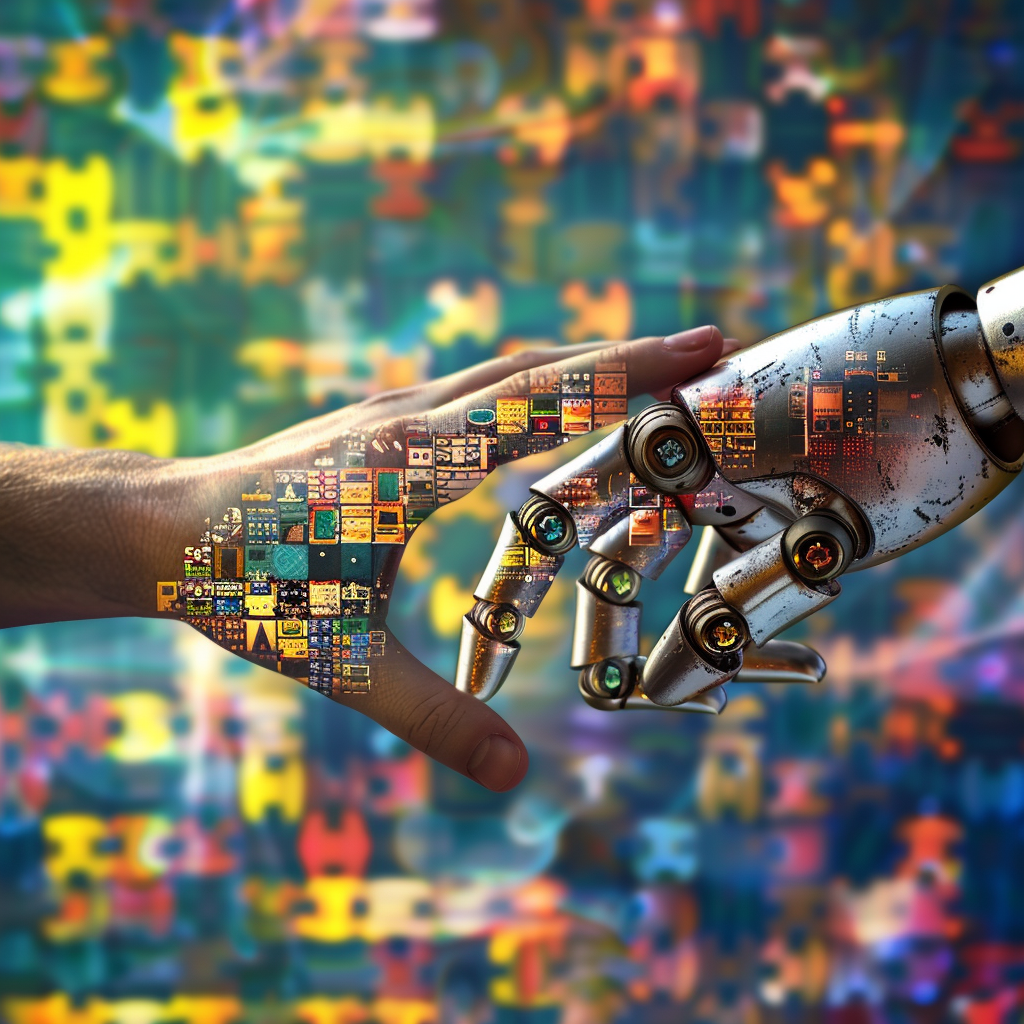
The synergy between AI and software testing lies in machine learning algorithms and testing protocols. As AI learns from historical data, it can identify patterns and predict future issues, enhancing the software development cycle. This symbiotic relationship supports a more agile software testing process, enabling teams to adapt swiftly to new requirements.
AI-Driven Test Case Generation and Optimization
Leveraging AI algorithms for test case generation and optimization means testing cases can evolve with the software. AI can intelligently generate test cases based on code changes, specifying which tests to run, thereby saving time and conserving resources. This technique is especially useful in continuous integration and continuous testing.
Enhancing Efficiency with AI-Powered Tools
AI-powered tools streamline software testing by automating repetitive tasks and analyzing complex data faster than manual methods. AI-driven test automation tools enable automated software testing that can adapt in real-time, improving test coverage and accuracy while supporting software quality and performance.
Maintaining Software Quality and Performance
In the quest for quality and performance, AI integration into testing frameworks assists in continuous monitoring and feedback loops for the development lifecycle. Using neural networks, AI can simulate human understanding in error detection, aligning with the objectives of maintaining high-quality software standards.
Optimizing Testing Outcomes with AI
Integrating AI into testing enhances accuracy and efficiency, allowing quality assurance to evolve into a more proactive and adaptive domain. By leveraging specific AI tools and techniques, test coverage and test execution can be significantly improved.
AI and Enhanced Test Coverage
AI tools contribute to broadened test coverage by quickly identifying test scenarios that might be missed by manual processes. They ensure that more functionalities are reliably tested, which bolsters the user experience due to thorough defect vetting.
Predictive Analytics for Anticipating Defects
Employing predictive analytics in the software testing life cycle enables teams to foresee potential defect hotspots. Tools that use historical data and testing patterns to predict defects, guiding testers to focus on problematic areas to enhance the efficiency of the testing process.
Machine Learning for Test Case Creation
Machine learning models can generate and optimize test cases, making the creation of comprehensive test suites less labor-intensive. Some tools apply machine learning to this end, improving test accuracy by adapting to changes in the software.
Adaptive Testing and AI for User Experience
AI-driven adaptive testing approaches adjust based on user interactions, which can significantly enrich user experience testing. These utilize AI to mimic real user behaviors, facilitating an in-depth user interface evaluation and ensuring the final product aligns with user expectations.
Conclusion
Integrating AI into existing software testing frameworks requires careful consideration. Infrastructure and professional expertise are essential for effective AI-based testing integration. Organizations must weigh computational demands and address potential model bias to ensure success. The shift towards AI-enhanced testing transforms traditional methodologies and promises a future of improved efficiency and accuracy in software quality assurance.