How to Build Backlinks Like an Expert and Get Ranking
Let’s start with some real talk. I’ve been in link-building for quite a few years now, and trust me, I’ve tried just about every method under the sun. Remember those days when buying links on forums seemed like a brilliant idea? Yep, been there, done that. Some tactics have long gone the way of the dinosaur, while others are still delivering results.
In 2024, you’ve got to think bigger. You need to know what’s working now, what’s going to hold up in the long run, and what’s just a waste of time and money. And in this article, I’m going to tell you how to build links that actually work. Here’s what we’re discussing today:
- Why building links is important;
- Top mistakes you should avoid;
- Top 3 methods to get quality links.
Why Building Backlinks is Important
Let’s talk about why you should even bother with backlinks in the first place. Over the years, I’ve seen SEO strategies come and go, but one thing has stayed constant—the importance of a solid backlink profile.
According to SearchEngineLand, backlinks are one of the top two factors influencing Google rankings. Plus, Ahrefs found a direct correlation between the number of referring links and traffic growth.
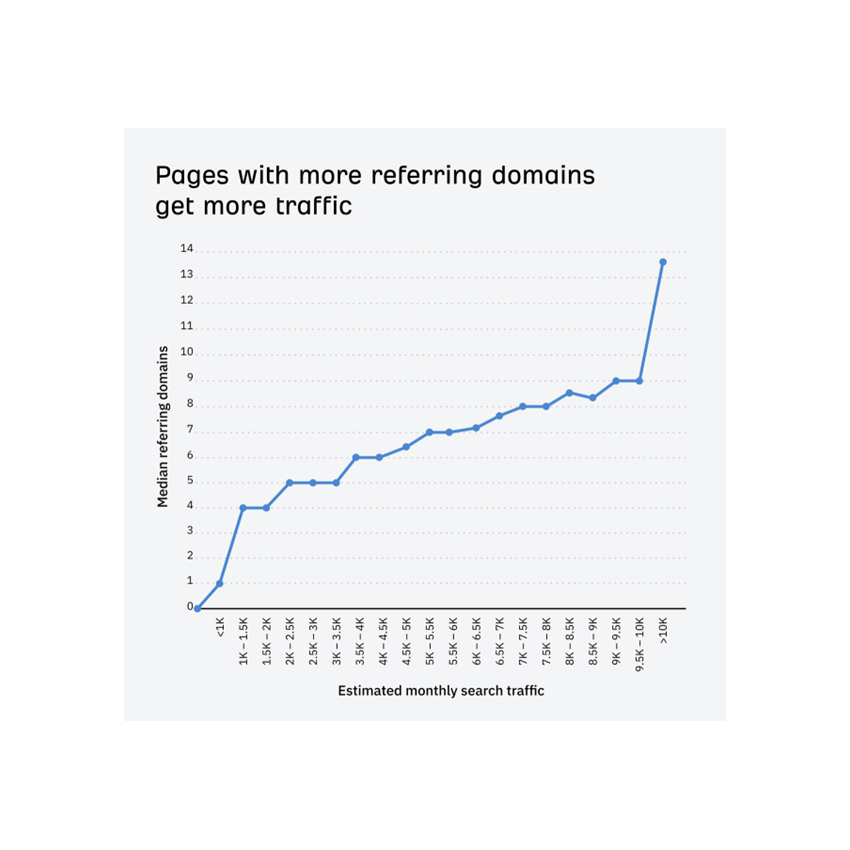
And it’s hard to argue with that. Look at any successful page, and you’ll see a strong, quality backlink profile behind it. Of course, there are always those who’ll say, “But I know a site that’s ranking at the top without a ton of links!” At Editorial.Link, we did some research and found that 71% of experts believe it’s possible to rank without links.
But let’s be realistic!
Sure, you can, but it’s going to be insanely tough because it’ll require a ton of other resources. It’s way easier to push a site up when you’ve got strong links backing it.
Here’s an example. Imagine you’ve got a website selling kids’ products. You’ve created an awesome page with tips on choosing kids’ toys. But without links, it’s just going to get lost in the black hole of the Internet. Now imagine that popular mom blogs and major stores are linking to your page. Totally different story, right?
Backlinks work like recommendations. The more “recommendations” you’ve got, the stronger your site looks in Google’s eyes.
I get that a lot of SEO pros are intimidated by the idea of building great links—over 52% feel that way. But that doesn’t mean you should ditch link-building and focus solely on content creation just because it’s easier. No one needs to be a jack of all trades. In fact, 60% of SEO pros outsource link-building. So, if the word “link-building” makes your palms sweat, handing off these tasks to the pros is a smart move.
At editorial.link, we offer just that. We’ll get you backlinks from reputable sites no matter your site’s DR or DA. Our team collaborates with world-famous companies like podium.com, monday.com, namecheap.com, envato.com, cloudways.com, wordstream.com, and hubspot.com to deliver only high-authority, contextually relevant links to our clients. So, we’ll handle the heavy lifting for you, but you’ll still stay in the loop!
So yeah, backlinks matter. Ignoring them is like trying to win a race on a bike while everyone else is driving race cars.
What Mistakes You Should Avoid When Building Backlinks
Mistakes in link building? Oh yeah, I’ve been burned by them more times than I can count, just like many others. With experience, you start to realize that not everything that seems logical actually works.
1. Focusing Too Much on Domain Score (DR, DA)
Honestly, I used to be obsessed with these numbers. I’d see a site with a high DR and think, “Wow, I need a link from there!”
But then you realize it’s not that simple.
You get a link from a high DR site, but it’s useless because the page it’s on is practically dead and brings in zero traffic. The result? Barely any benefit from that link.
I’m not saying you should ignore these metrics altogether. I’m just saying you need to look at more than just DR/DA. Consider the context, relevance, and traffic of the specific page too. You just need a bigger picture.
2. Ignoring Nofollow Links
A lot of people think nofollow links are worthless. That’s a misconception. Sure, they don’t pass link juice directly, but they can still play a critical role in your backlink profile.
For example, links from authoritative news sites or blogs might not boost your rankings directly, but they can drive traffic and increase brand awareness. Plus, having a diverse link profile looks more natural to search engines.
3. Not Creating Linkable Content
This one’s a killer for many. If your content isn’t something people want to share, no amount of link building will save you. I’ve seen sites try to build links to weak content, and it always ends in failure.
To attract natural links, your content needs to be useful, unique, and engaging. Imagine you run a blog about kids’ products. An article on how to choose the perfect toys, backed by data and real reviews, is way more link-worthy than just a generic product list.
4. Buying Links from Link Farms
Let me be blunt: don’t do it. This is one of the quickest ways to wreck your efforts. These links can hurt your site, and getting out from under Google’s penalties isn’t easy.
Okay, I might be exaggerating a bit—it takes a pretty big screw-up to get hit with real penalties from Google. More likely, Google will just ignore your farm links, and you’ll waste your budget on something that gives you zero results.
The same goes for buying links on Fiverr or similar sites. There are tons of cheap offers, all promising high-quality links. But what you’ll end up with is a bunch of trash links from forums.
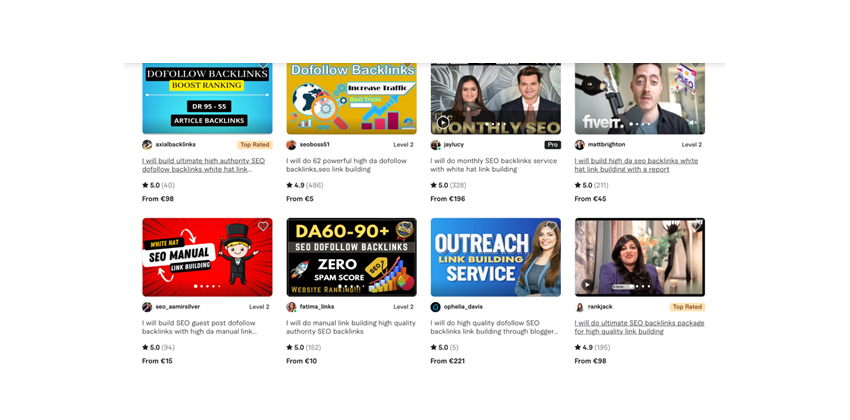
They even have glowing reviews! For a long time, I couldn’t figure out how they got such great feedback. Then I found Facebook groups where you can buy fake Fiverr reviews for pennies.
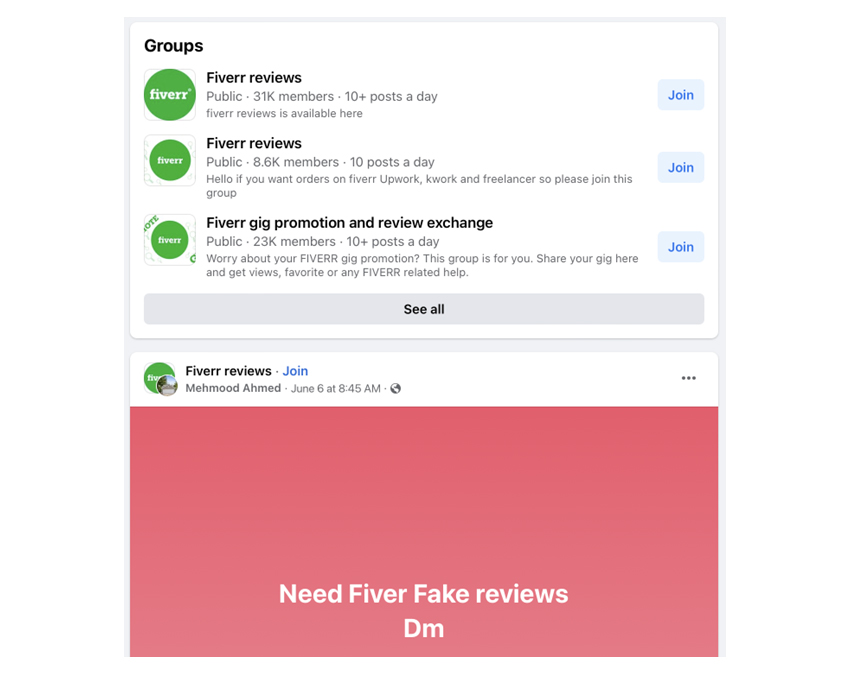
Focus on creating quality content and natural link building instead.
5. Relying on Just One Link-Building Tactic
I’ve been there too. You pick one tactic, say guest posting or creating content just for links, and you stick to it like glue. But that’s the mistake. Link building is a marathon, not a sprint. You need to mix it up. Combine guest posts, outreach, and creating awesome content, and you’ll build a strong backlink profile.
Remember, there’s no silver bullet in link building. The key is to avoid these mistakes and not be afraid to experiment. That’s the only way to find what works for your specific project.
3. Easy Ways to Build Backlinks
When it comes to link building, there’s no need to reinvent the wheel. Sure, nobody knows exactly how Google’s algorithms work, but there are tried-and-true methods that are still effective today.
Here are three simple strategies that have worked for me and continue to deliver results:
1. Create Linkable Assets
The first thing I always recommend is creating what’s known as linkable assets. This is the kind of content that other sites will naturally want to link to. Examples? There are plenty! It could be free tools, statistics, research results, or unique data. 36.3% of pros think this is the coolest strategy to date.
Like right now, as I’m writing this article for you, I’m backing up my points by referencing colleagues who’ve gathered some great stats. For example, I’m citing Backlinko, who found that 94% of online content doesn’t get any external links. Why? Because it doesn’t provide value—it’s not link bait content.
Linkable assets are magnets. They attract links even without much effort from your side.
2. Hire a Reputable Link Building Service
If you don’t have the time or desire to handle link building on your own, the best option is to hire an agency. I think, for many, it’s a smarter and easier route than trying to build an in-house team. Reputable agencies already know how to do link building right—they have proven tactics and connections.
Plus, it’s often cheaper than maintaining your own team, especially if you’re running a small business. The key is to make sure you’re hiring people who truly know their stuff and, more importantly, aren’t using shady tactics. Talk to company reps personally and check out independent review sites like Clutch to see how they really build links.
Here’s a list of top services for you to check out.
3. Use Guest Posting
Guest posting is one of the oldest, but still effective methods. The idea is simple: you write an article for another site, and in return, you get a link to your own site. I’ve used this tactic a lot and believe it’s a great way to not only get quality links but also expand your audience. The key is to choose sites that are actually read and are relevant to your niche.
Don’t go for the easiest routes, though. For instance, I’m not a fan of sites that have a big “Write for Us” button on the homepage. In my experience, these sites often don’t have the best editorial standards and are willing to publish just about anything.
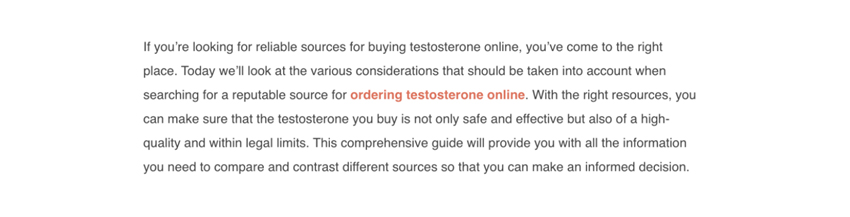
What’s worse is that in your article, you might end up seeing a bunch of other links to all sorts of sketchy stuff, from shady gambling sites to even 18+ content. I’m not a fan of that kind of “neighborhood.”
A better approach? Find a site that you find appealing for publication and reach out to them directly. Also, learn about their editorial policy and what they’re willing to publish.
These three methods work. The main thing is not to be afraid to try and see what brings the best results for your project.
Conclusion
In 2024, link building isn’t just about quantity—it’s about quality and strategy. It’s important not to get stuck on just one method but to mix up different approaches. Create content that’s really useful and engaging, find quality sites for guest posts, and if needed, don’t hesitate to trust the pros.
My final advice? Try new things, experiment, but always remember this: links aren’t the end goal—they’re a means to an end. They help your site grow, but only if they’re natural and relevant. Don’t chase quick wins. Build your link building strategy wisely and with a long-term view.
If you stick to these principles, your site will definitely climb in the search rankings.