How RFID for Retail Enhances Customer Experience and Boosts Sales
What is RFID, and Why Does It Matter in Retail?
RFID for retail is revolutionizing how businesses operate by making inventory management faster, more efficient, and accurate.
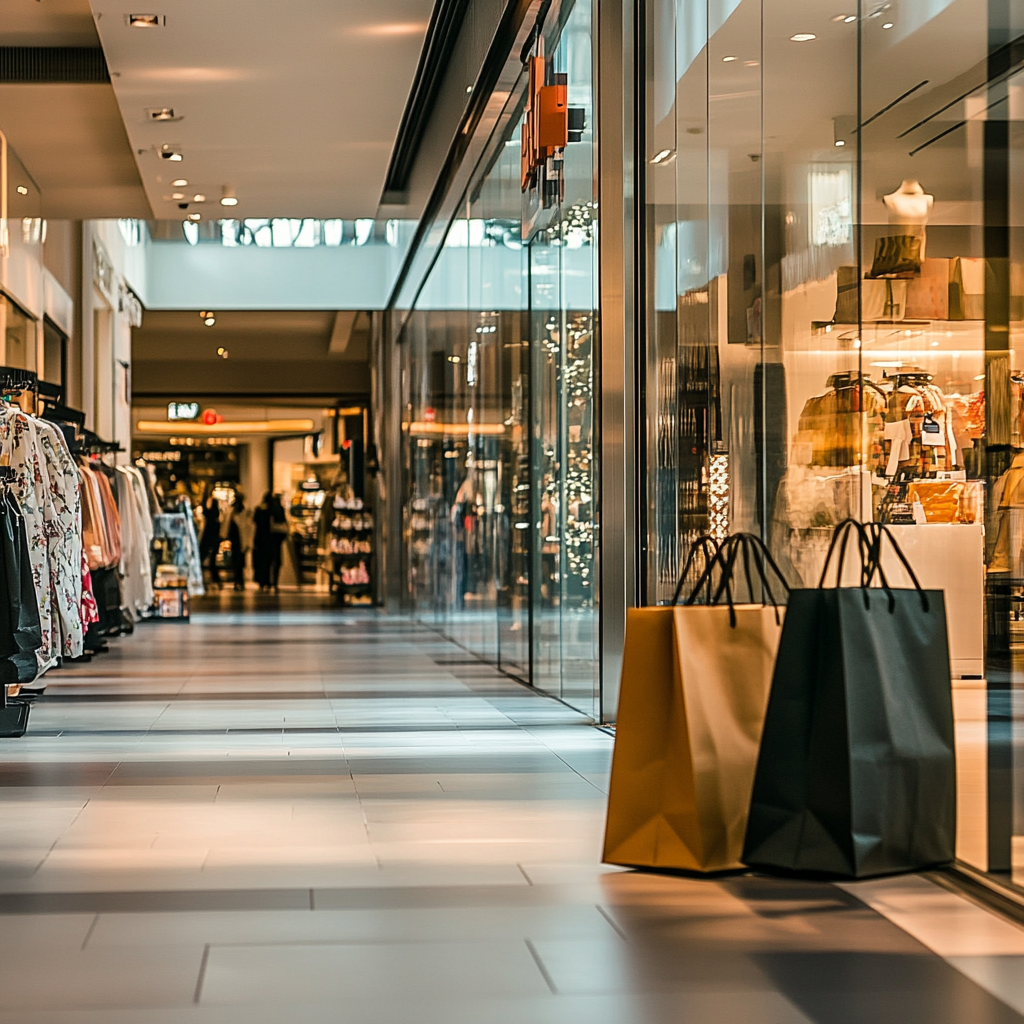
Imagine walking into a store where every item is perfectly in stock, checkout lines are almost non-existent, and employees have more time to assist you.
That’s the magic RFID technology brings to the retail sector.
With RFID tags embedded in merchandise, retailers can track inventory in real-time, improving operational efficiency and customer satisfaction.
Real-Life Benefits of RFID Technology
RFID systems are not just a technological upgrade; they’re transforming customer experiences in profound ways.
Take this example: a boutique clothing store implemented RFID to address its frequent inventory shortages.
Before RFID, they lost customers due to inaccurate stock levels, particularly during peak sales seasons.
After adopting RFID, they not only reduced out-of-stock items by 20% but also enhanced their customer service by providing precise product availability.
Increased sales and repeat customers soon followed.
How RFID Streamlines Retail Operations
Retailers face daily challenges—misplaced items, incorrect stock counts, and shrinkage.
RFID addresses these issues by offering precise data on item locations and stock quantities.
For instance, retailers using RFID can conduct a full inventory check in minutes rather than hours.
This efficiency reduces labor costs and allows employees to focus on more customer-facing tasks, like personalized shopping assistance.
With RFID for retail, you can cut inventory discrepancies by up to 80%, saving time and money.
RFID for retail offers unparalleled operational insights that make profitability more attainable.
Enhancing Customer Experience with RFID
Imagine this: A customer visits your store looking for a specific pair of shoes.
Using RFID technology, an employee can instantly check stock availability and location within seconds, ensuring a seamless shopping experience.
Moreover, RFID enables cashier-less checkouts.
This technology allows customers to place their items in a designated checkout area, and the RFID system automatically scans all items at once.
No more waiting in long lines.
Boosting Sales Through Data Insights
RFID doesn’t just help retailers streamline operations; it also delivers actionable insights into shopping trends and customer preferences.
For example, a furniture store noticed that customers frequently picked up but didn’t purchase a specific item.
By analyzing RFID data, they identified that the product’s placement was inconvenient.
After relocating the item, sales improved by 35% within a month.
This real-time feedback allows retailers to adapt quickly, ensuring customer needs are always met.
The Scalability of RFID in Retail
One of the most impressive aspects of RFID technology is its scalability.
Whether you’re a small boutique or a global retail chain, RFID solutions can be tailored to meet your unique needs.
Small businesses can start with basic inventory tracking, while larger retailers can incorporate advanced analytics and automation for a comprehensive retail ecosystem.
Addressing Challenges with RFID Implementation
Like any technology, adopting RFID comes with its set of challenges.
The initial setup cost, including purchasing tags and readers, can be a hurdle for smaller retailers.
However, the long-term ROI makes it a worthwhile investment.
Many retailers report that RFID technology pays for itself within the first year by reducing shrinkage, optimizing inventory, and increasing sales.
Future Trends in RFID for Retail
The retail sector is just scratching the surface of RFID’s potential.
In the near future, we expect to see RFID integrated with AI to create smarter supply chains.
For example, RFID sensors paired with machine learning algorithms can predict stock shortages before they happen, enabling proactive restocking.
Additionally, RFID could merge with augmented reality (AR) to provide customers with interactive shopping experiences.
Imagine scanning an RFID tag on a jacket and instantly seeing available sizes, colors, and styling tips through an AR interface.
Final Thoughts on RFID Technology
RFID for retail is more than a technological upgrade; it’s a game-changer.
By improving inventory accuracy, streamlining operations, and enhancing customer experiences, RFID sets retailers up for sustained success.
As this technology continues to evolve, businesses that adopt RFID early will gain a competitive edge in the fast-paced retail landscape.