How Indoor Advertising Captures Your Audience’s Attention
Reaching the right audience requires more than just a well-crafted message; it also necessitates strategic placement and timing. Indoor advertising presents marketing materials right in front of consumers in settings like shopping centers, airports, restaurants, and gyms where they are already engaged. Unlike outdoor billboards vying with moving traffic and diversions, interior ads benefit from a controlled environment with a captive audience. When executed effectively, they influence consumer behavior and generate stronger brand recall. The correct strategy guarantees that messages remain impactful, therefore increasing engagement and producing better outcomes.
Leveraging High-Traffic Locations for Maximum Exposure
The effectiveness of an indoor ad campaign is largely determined by its placement. High-traffic places, including shopping centers, offices, entertainment venues, and transit hubs, guarantee that commercials find a broad and pertinent audience. These sites are more open to brand messages since they naturally draw people who are already in a consumer-focused mindset. Placing adverts in shop environments, elevators, and waiting areas lets viewers spend more time absorbing the content. People’s memory for a message gets stronger the more often they encounter it in their daily lives. Well-placed ads in areas with long dwell times—such as food courts or lobbies—help to increase engagement rates and brand recognition. This strategy guarantees that ads leave a lasting effect and turn everyday areas into effective marketing venues.
Engaging Audiences Through Visually Compelling Designs
A well-designed advertisement captures attention right away. Grabbing viewers’ attention depends significantly on bright colors, bold typography, and attractive visuals. Using superior materials, digital screens, and creative formats, indoor advertising can improve visibility and leave a lasting impression. Visually appealing graphics and smart layouts guarantee messages stand out in a packed environment. While preserving clarity, the proper mix of text and images guides the viewer’s eye. Good application of branding components, like taglines and logos, supports brand identification and increases recognition. By making the material more lively and engaging, indoor ad forms—backlit posters, digital displays, interactive kiosks—also help to increase interaction. An advertisement’s visual attractiveness determines how much attention it grabs and how well the viewer relates to its message.
Using Strategic Messaging to Influence Consumer Behavior
An effective advertisement does more than display a brand name; it conveys a message that resonates with the intended audience. The language, tone, and call-to-action must fit customer interests and motivations to inspire engagement. Indoor advertising guarantees it stays relevant to the audience in a given location by allowing precise messaging customized to those surroundings. Concise yet persuasive messaging ensures viewers understand the main idea without losing interest. A well-structured indoor advertisement clearly addresses consumer needs, inspiring quick response. Whether the message is supporting a purchase, focusing on a special deal, or bolstering brand loyalty, it must be convincing. Well-created advertising grabs attention and directs customer decisions, thereby improving the marketing result.
Capitalizing on Digital and Interactive Advertising Innovations
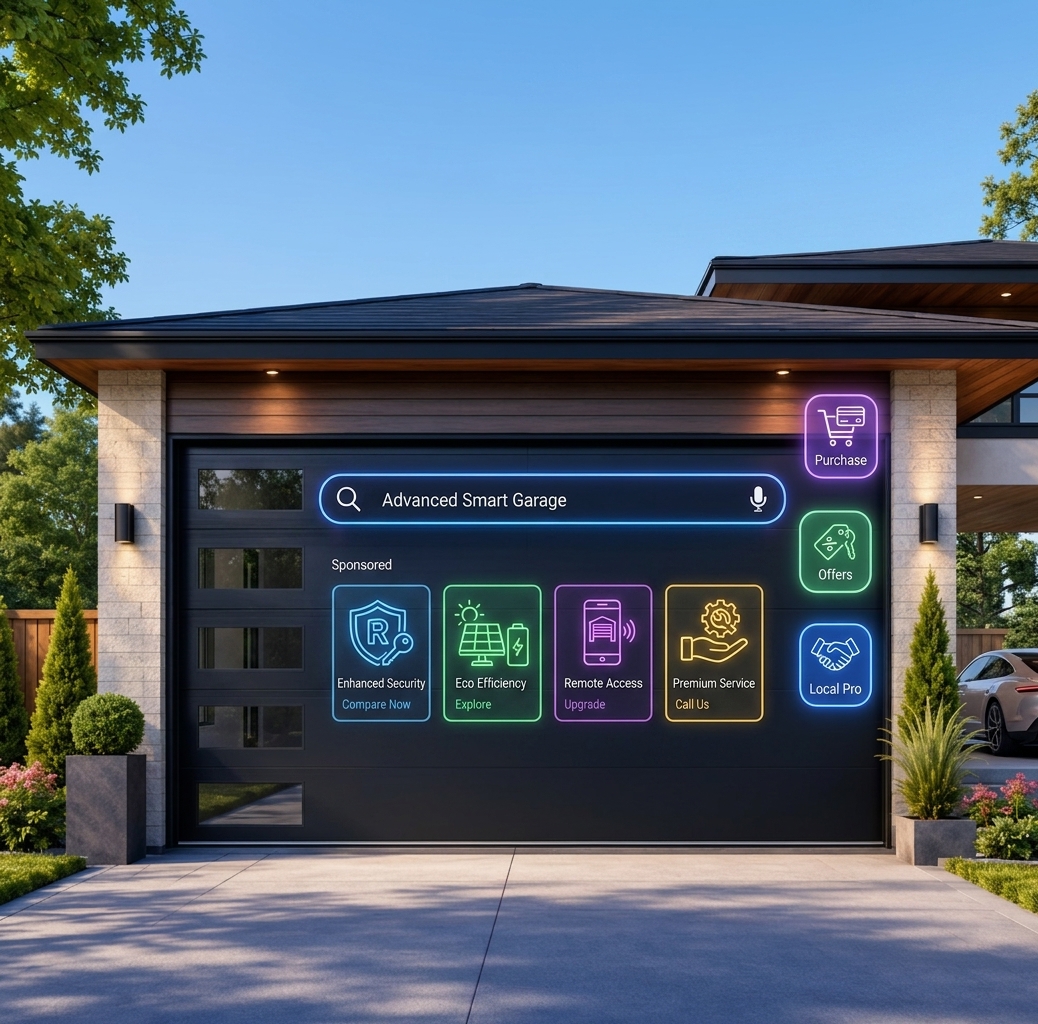
Although conventional printed ads have always been a mainstay of indoor advertising, digital and interactive formats take engagement to a whole new level. Touchscreen displays, motion graphics, and digital screens enable more dynamic content that changes based on user behavior. These formats keep viewers interested longer by more successfully grabbing their attention than static images. Interactive advertising raises direct consumer engagement, therefore improving the possibility of message retention. Touch-sensitive displays, augmented reality, and QR codes combine to produce an immersive experience that leaves a more lasting effect. Real-time digital content updating also improves marketing adaptability by enabling companies to customize messaging to particular groups or timeframes. This flexibility guarantees that commercials stay fresh and powerful, enhancing general brand interaction.
Strengthening Brand Recall Through Repeated Exposure
The capacity of indoor advertising to consistently increase brand awareness using repeated exposure is among its most powerful advantages. Unlike fleeting online ads or outdoor billboards seen in passing, indoor ads remain in a consumer’s surroundings for long stretches. This consistency guarantees several views of the material, enhancing familiarity and recall. Placing ads in places the same audience visits—such as retail stores, corporate offices, or fitness centers—allows a constant brand presence. As consumers are more likely to trust and interact with companies they recognize over time, this familiarity shapes their buying decisions. People develop stronger relationships with a brand the more often they come across an advertisement, which ultimately results in more conversions and client loyalty.
Conclusion
Indoor advertising captures attention through strategic placement, visually appealing design, tailored messaging, digital engagement, and repeated exposure. While artistic and interactive components increase audience involvement, high-traffic areas guarantee the best visibility. A well-run campaign changes customer behavior and, over time, increases brand recall. Indoor advertising is a potent marketing tool that continuously stimulates consumer interest and action when used properly.