Email Marketing Strategies That Boost Engagement Fast
Email remains one of the most powerful tools in digital marketing, offering direct access to audiences in a way that social platforms and paid ads simply can’t replicate. Yet with inboxes more crowded than ever, brands must work smarter to capture attention and inspire action. Effective email marketing requires a blend of strategy, creativity, and data‑driven refinement. When done well, it can strengthen customer relationships, increase conversions, and deliver impressive returns. Understanding techniques that quickly elevate engagement can help marketers make the most of every message they send.
Crafting Subject Lines That Spark Curiosity
What should email subject lines have?
- Clear value upfront (what the reader gets: “New arrivals,” “20% off,” “How to…”)
- Specificity (product/category names, timeframes, locations vs. vague hype)
- Relevance/segmentation (match the subscriber’s interests, past purchases, or location)
- Brevity (aim ~35–55 characters so it reads well on mobile)
- A strong hook (curiosity, benefit, or outcome—without being clickbait)
- Urgency/scarcity when real (“Ends tonight,” “Limited sizes left”)
- Action-oriented language (shop, discover, get, claim, RSVP)
- Personalization when appropriate (first name, local callout, category affinity)
- Searchable keywords (brands, product types, seasonal terms—helps scanning)
- Brand voice consistency (sounds like you; builds recognition and trust)
- Good formatting (easy to scan; avoid ALL CAPS and excessive punctuation)
- Deliverability-friendly wording (limit spammy terms like “FREE!!!,” “GUARANTEED”)
- Optional: tasteful emojis (1 max, used consistently, if it fits your audience)
- Alignment with the email content (subject accurately reflects what’s inside)
- A/B testable angle (benefit vs. urgency vs. curiosity so you can iterate)
The subject line is the first—and sometimes only—chance to make an impression. A compelling subject line can dramatically increase open rates by tapping into curiosity, urgency, or relevance. Short, clear phrasing often performs best, especially when paired with personalization or a value‑driven hook. Testing variations through A/B experiments helps identify what resonates with your audience. Whether it’s a question, a bold statement, or a timely offer, the subject line should give readers a reason to pause and click. Even small adjustments can lead to meaningful improvements in engagement.
Personalizing Content for Real Connection
Modern email marketing goes far beyond using a subscriber’s first name. Today’s audiences expect content tailored to their interests, behaviors, and needs. Segmentation allows marketers to group subscribers based on demographics, purchase history, engagement patterns, or preferences. This makes it possible to deliver messages that feel relevant and timely. Dynamic content blocks can further customize emails by showing different images, offers, or recommendations to different segments. When subscribers feel understood, they’re more likely to open, read, and interact with your messages. In some cases, businesses even utilize a email deliverability consultant to ensure their personalized content reaches inboxes consistently and effectively.
Optimizing Send Times and Frequency
Here are some of the best times to send your emails:
Broad baseline (works for many lists)
- Tuesday–Thursday, 10 am–3 pm
- Common high-performing hours to test: 8 am, 1 pm, 4 pm
By industry (starting-point benchmarks)
- Ecommerce / Retail: ~10 am (mid-morning)
- Software / SaaS: 2–3 pm
- Marketing Services / Agencies: ~4 pm
- Hospitality / Travel: 8–10 am
- Professional Services (B2B): 8–10 am
- Nonprofits: 3–4 pm
- Healthcare (targeting clinicians): early mornings or late evenings (avoid typical work hours)
B2B vs B2C (if you segment this way)
- B2B: Tuesday–Thursday, 9–11 am (lunch hour can work too)
- B2C: evenings + weekends, with Friday afternoon often strong
Timing plays a significant role in email engagement. Sending too frequently can overwhelm subscribers, while sending too infrequently can cause them to forget your brand. Finding the right balance requires analyzing open rates, click‑through rates, and unsubscribe patterns. Many marketers use automation tools to schedule emails based on subscriber behavior, such as sending follow‑ups when someone clicks a link or abandons a cart. Testing different days and times can reveal when your audience is most receptive. Once you identify the sweet spot, consistency becomes key.
Designing Emails That Are Easy to Read and Act On
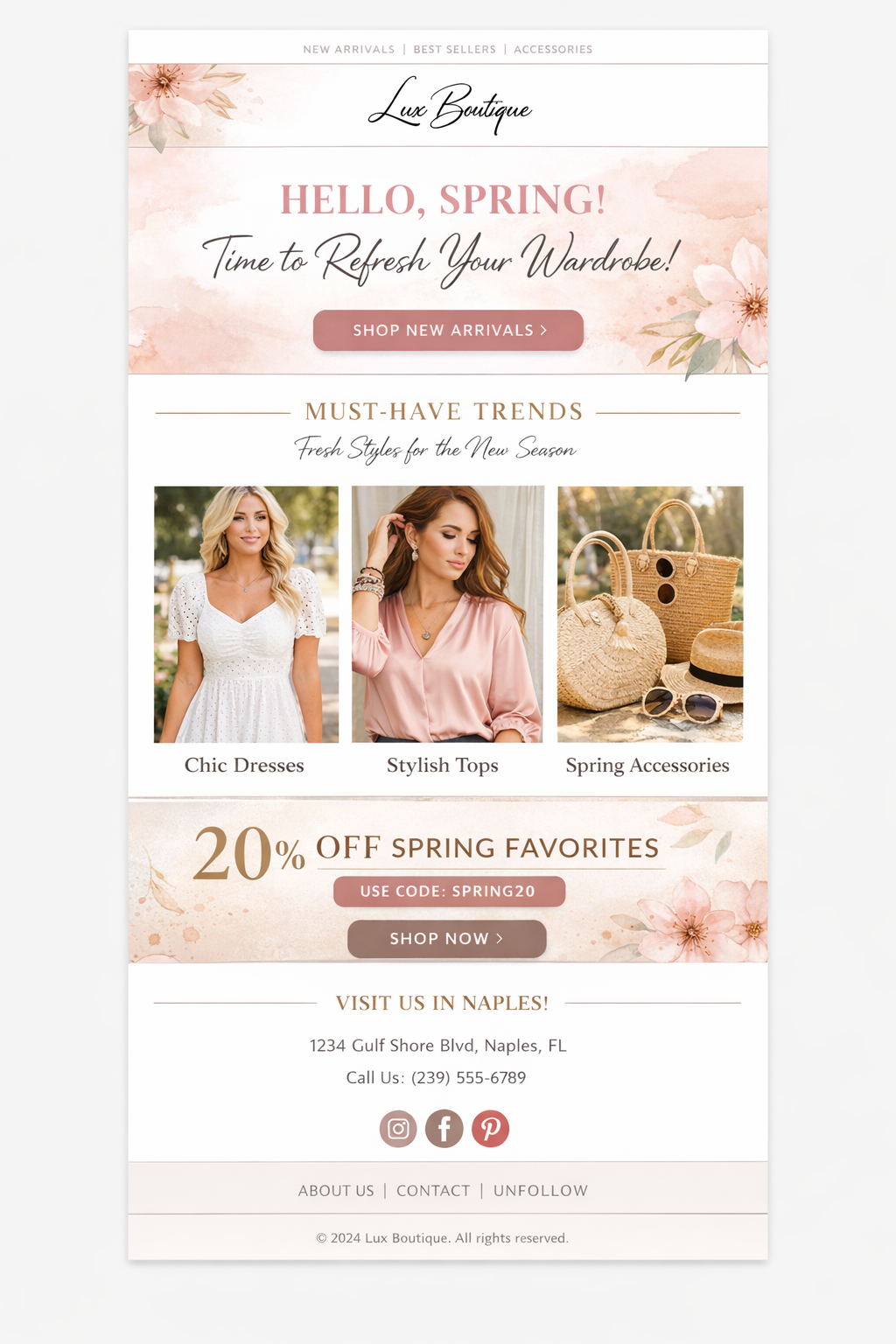
A well‑designed email guides readers effortlessly from the subject line to the call‑to‑action. Clean layouts, clear hierarchy, and mobile‑friendly formatting are essential, especially since many subscribers read emails on their phones. Short paragraphs, scannable bullet points, and visually appealing images help maintain attention. Calls‑to‑action should be bold, concise, and strategically placed to encourage clicks. Whether you’re promoting a product, sharing a resource, or inviting subscribers to an event, the design should support the message and make the next step obvious. The easier it is for readers to engage, the more likely they are to do so.
Leveraging Automation for Timely, Relevant Messaging
Automation allows marketers to deliver the right message at the right moment without manually managing every interaction. Welcome sequences, post‑purchase follow‑ups, re‑engagement campaigns, and milestone emails all help maintain ongoing communication with subscribers. These automated workflows nurture relationships by providing value at key points in the customer journey. They also ensure that no opportunity is missed, whether it’s thanking a new subscriber or reminding someone about an item left in their cart. When automation is used thoughtfully, it enhances the customer experience and boosts engagement with minimal effort.
Conclusion
Boosting email engagement quickly requires a combination of strategic planning, thoughtful personalization, and consistent refinement. By crafting compelling subject lines, tailoring content to subscriber needs, optimizing timing, designing user‑friendly layouts, and leveraging automation, marketers can create emails that stand out in crowded inboxes. These strategies not only increase opens and clicks but also strengthen long‑term relationships with audiences, helping brands communicate more effectively and achieve meaningful results.