Google Algorithm Updates Explained: What Businesses Need to Know This Year
In 2026, you’ll feel Google’s Core Updates, Spam Updates, and reviews system changes most, plus Helpful Content refinements often folded into core. Track confirmed rollout windows in the Search Status Dashboard and watch volatility by keyword cluster, page type, and intent, since mid-pack rankings (positions 6–20) swing hardest. AI Overviews and expanding SERP features can lift impressions while cutting CTR, especially on non-brand queries. Keep going to see diagnostics and fixes.
Which Google Updates Matter in 2026?
Which Google updates should you actually track in 2026? Focus on releases that shift measurable Google signals: Core Updates, Spam Updates, Reviews system changes, and Helpful Content refinements (often folded into core). These move cross-industry KPIs—impressions, CTR, and non-brand query share—more than niche tweaks. Track Search Status Dashboard notes, confirmed rollout windows, and volatility across your priority keyword clusters, not SEO chatter. Watch AI Overviews and SERP feature expansion because they reshape click distribution and intent matching, even without a “named” update. Your best lens is cohort-based: segment by page type, intent, and template to see how updates correlate with engagement and conversion. Log dates, annotate analytics, and test hypotheses fast.
What Changed in Rankings After Recent Updates?
After the most recent core and spam rollouts, how did rankings actually move? You saw sharper volatility in mid-pack positions (6–20), while top-three winners tended to hold unless intent match weakened. Pages built around thin keyword variants slid, and consolidated topic hubs gained, suggesting stronger weighting on relevancy signals and entity coherence. Branded queries stayed relatively stable, but non-brand commercial terms shifted as Google re-scored “helpful” depth versus templated affiliate layouts. You also noticed more SERP feature displacement: AI Overviews, video, and local packs pushed classic blue links down, so impressions didn’t always translate into clicks. Finally, ranking changes appeared more user-context-dependent, with content personalization amplifying differences across location, device, and prior search behavior, especially in YMYL and B2B niches.
What to Do First If Traffic Drops
If your traffic drops, start by isolating what changed and when—because a 10–30% dip tied to a confirmed core/spam update calls for different fixes than a sudden cliff caused by tracking errors or deindexing. Verify in GSC: compare the last 7/28 days vs prior, segment by page type, query, country, and device to spot the pattern.
Next, rule out measurement issues: check GA4 tags, consent mode, UTM changes, and server errors. Then audit indexability: robots.txt, noindex, canonicals, redirects, sitemap freshness, and crawl stats.
Hunt quick wins: restore lost internal links, refresh titles/meta for top-impression pages, fix 404s, improve CWV on high-traffic templates, and tighten keyword targeting where CTR dropped but rankings held.
Helpful Content Google Updates Keep Rewarding
Traffic diagnostics tell you where the drop happened; the next step is aligning your pages with what Google keeps promoting in recent core and helpful content–aligned updates: content that satisfies the query completely, reflects real expertise, and removes “SEO-first” padding. You’ll win when each URL maps to a single job-to-be-done and answers it end-to-end: definitions, steps, edge cases, and clear next actions. Tighten relevance signals by matching headings, entities, and examples to user intent, not to keyword lists. Then, prune or merge overlapping pages so Google sees one best result, not five mediocre ones. Improve UX metrics that correlate with satisfaction—fast load times, a scannable structure, and helpful visuals. Finally, keep content fresh with change logs, updated stats, and new FAQs driven by Search Console queries.
How to Prove E-E-A-T (Trust) on Your Site
- Publish author bios with real credentials, citations, and transparent editorial standards
- Add third‑party proof: reviews, case studies, media mentions, and verifiable partnerships
- Demonstrate first-hand experience: original data, photos, benchmarks, and “what we learned” takeaways
You’ll also reduce risk by clarifying pricing, policies, and contact routes, since hidden friction kills trust signals. Track sentiment and review velocity monthly to spot reputation swings before rankings follow.
Technical SEO Checks and a 30-Day Action Plan
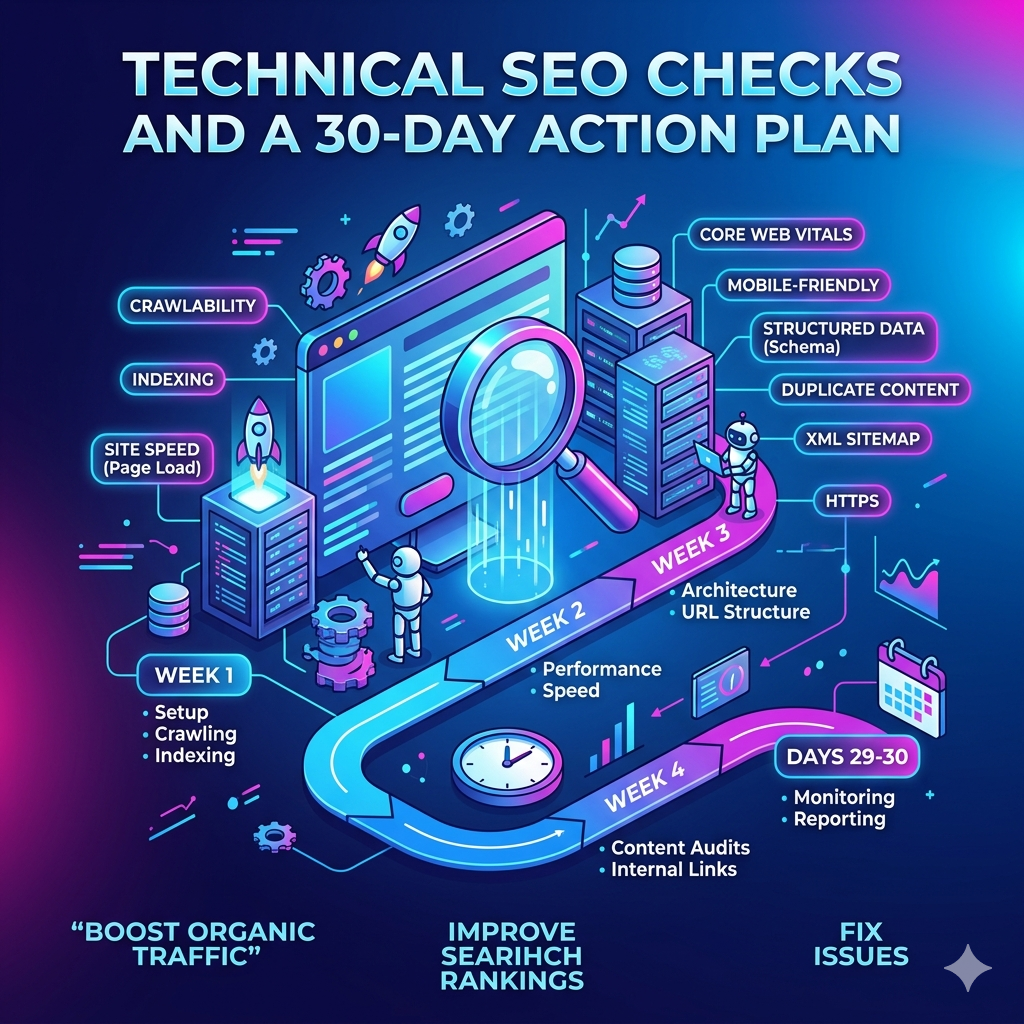
Where should you start when Google rolls out another update and rankings wobble? Run a fast technical audit and triage by impact. Week 1: benchmark Core Web Vitals, index coverage, crawl stats, and log files; flag thin templates, redirect chains, and canonical errors. Prioritize site speed wins (image compression, critical CSS, lazy loading) and fix mobile UX issues (tap targets, viewport, CLS) because they correlate with engagement and conversions. Week 2: tighten internal linking to money pages, validate structured data, and clean XML sitemaps. Week 3: resolve duplicate content, update hreflang, and ship pagination fixes. Week 4: monitor rankings by query clusters, rerun PageSpeed Insights, and A/B test titles/meta for CTR lift. Document changes, annotate Search Console, and iterate weekly.
Frequently Asked Questions
How Often Does Google Roll Out Algorithm Updates Without Announcing Them?
Google rolls out unannounced algorithm updates nearly every day, since it continuously tests and launches small changes; you’ll typically notice them as minor volatility rather than named events. Data from SERP tracking tools shows frequent, low-level fluctuations, with larger “spikes” appearing several times per month. If you chase every bump, you’ll treat noise as signal—an unrelated topic and an irrelevant concept for innovation-driven SEO. Focus on trends, not rumors.
Can Paid Ads or PPC Performance Influence Organic Rankings After Updates?
Paid ads don’t directly change your organic rankings after updates, and Google separates ads signals from SEO. Still, ppc influence can be indirect: you drive more qualified clicks, boost brand queries, and gather conversion data that sharpens your content, UX, and landing pages. You also spot keyword trends faster via PPC reports, then optimize organic pages around intent. If your ads inflate low-quality traffic, you’ll worsen engagement metrics and lose momentum.
Do Social Media Signals Affect Rankings During Algorithm Changes?
Social media signals don’t directly move your rankings during algorithm changes, but they can amplify factors that do. You can use social signals to drive discovery, earn links, and generate branded searches—inputs Google measures reliably. Track engagement metrics like shares, comments, and click-throughs as leading indicators for content-market fit. If you publish fast, iterate creative, and coordinate PR, you’ll grow authority signals that persist post-update.
How Long Should We Wait Before Making Changes After an Update Hits?
Wait 7–14 days before major changes, and start monitoring immediately. You’ll want enough data to separate volatility from a sustained trend, especially for timing implications across key pages. Run post update testing in controlled batches: segment by template, intent, and device, then measure clicks, rankings, and conversions weekly. If you see severe drops tied to technical issues, fix them within 24–72 hours, but don’t rewrite the strategy too fast.
Can Competitor Spam Reports or Negative SEO Trigger Ranking Drops?
Sure—because nothing says “fair competition” like trying competitor spam or negative SEO, right? In practice, spam reports alone rarely trigger drops unless they surface real guideline violations. Negative SEO can hurt if attackers build toxic links or hack pages, but modern systems often discount obvious manipulation. You’ll drop when your site signals risk: sudden link spikes, malware, thin pages. Track trends in Search Console, audit anchors, and disavow when needed.
Conclusion
In 2026, Google’s algorithm updates will continue to clear the fog around search intent, helpful content, and E-E-A-T signals. If your rankings dip, don’t panic—you’ll just need to tighten your technical SEO, refresh thin pages, and strengthen trust cues (author bios, citations, reviews). Watch your Search Console trends, query shifts, and crawl stats like a dashboard. Do the 30-day action plan, and you’ll turn a traffic slide into steadier, compounding organic growth.