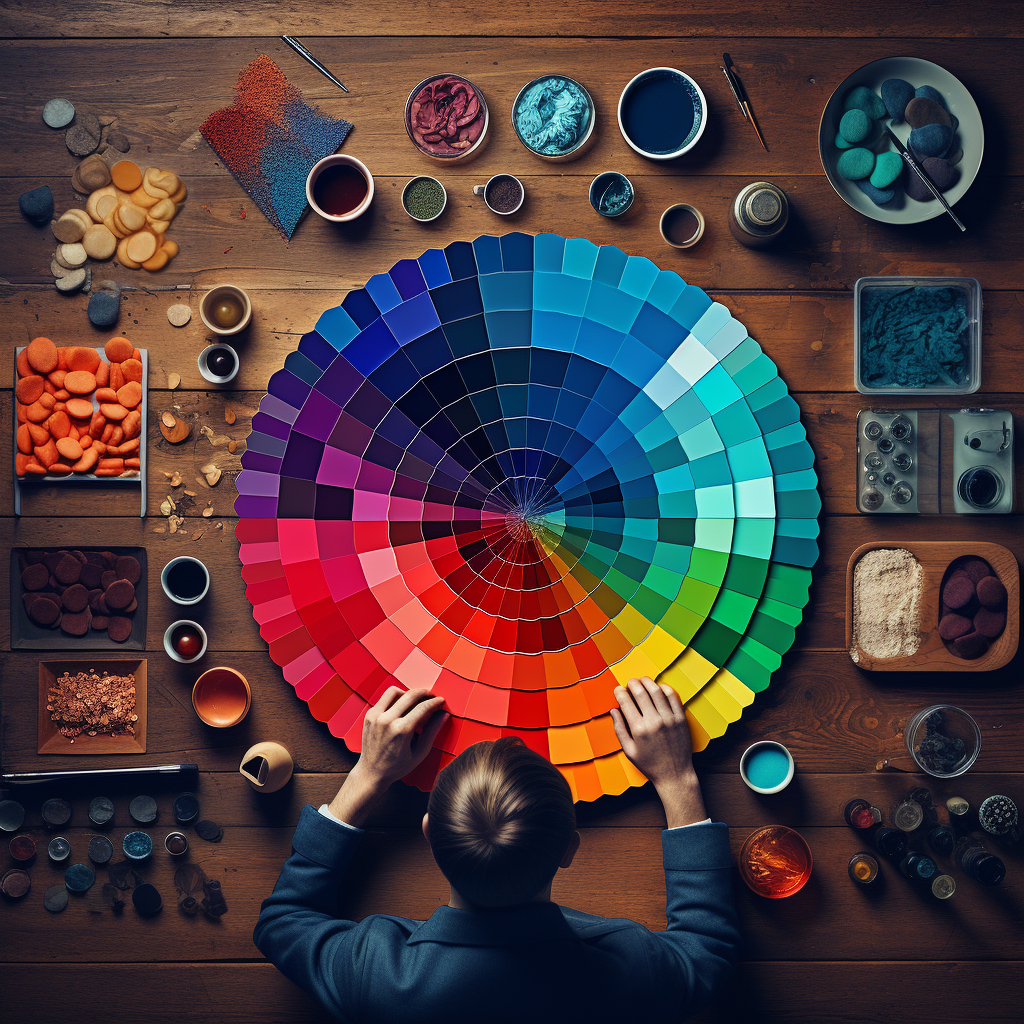
When it comes to color theory, determining what makes your brand stand out from the competition can mean the difference between success and failure. Marketing, branding and your company’s personality all tie into the hues you use and how they impact the consumer’s view of your business.
Learning a little about the science of color and applying it to promotional efforts can create a stronger brand presence and result in higher customer loyalty and more conversions. There is an old unwritten rule of thumb in advertising that people must see and interact with your brand around seven times before they remember you and buy from you.
In the modern world, the number is likely a bit higher. People have so much noise coming at them from all different corners. They see sponsored posts on social media, ads on their search engine of choice and messages in their email inbox from brands. They can’t even escape when they walk away from their desktop computers because businesses send offers to their smartphones.
To stand out from all that chatter, you must know what your business stands for and what colors showcase the emotions you want to elicit from customers. Here is how you can apply the concepts and help your brand grow.
1. Learn Color Theory
Color theory isn’t as easy to learn as you might think. It’s a complex topic impacted by environmental and personal factors, such as what part of the world a person lives in, their gender and past experiences.
Numerous studies have been done on how people respond to color. Unfortunately, the results aren’t always the same, as study participants and their preferences change from one survey to the next.
Your best bet is to read widely and know your audience.
2. Conduct Testing
The best way to understand how color impacts your users is to look at the analytic data you have on hand. Start by considering which campaigns were most effective in the past. Make a list of the colors used and in what combination. Was the ad mostly blue with a splash of red? Take notes.
Next, survey your customers and ask them for feedback on side-by-side example ads. Which one appeals to them most?
Finally, conduct real-life split testing by running the top choices and seeing which performs the best. Once you have an idea of the colors people enjoy, you’ll be better able to create future marketing materials utilizing those hues.
3. Create a Brand Guide
Consistency matters when you’re trying to tie a color to your brand. Think about companies like Coca-Cola, which uses red and white or red and silver in most of its product marketing.

The human eye has over 2 million parts, all working together to figure out what shade of red, blue or gray a person sees. Keeping track of hex codes and showing examples in your style guide ensures anyone working on marketing materials for your company knows what color theory you embrace and how to implement it into the design.
When you create a brand guide, you can specify the exact shade of red to present a consistent experience no matter where the user encounters your product.
4. Choose Colors That Tell Your Story
Does your company fall into a certain niche that specific colors apply to? For example, if you own a landscaping company, using green makes sense as the color is often associated with the outdoors.
If you work with preschoolers, you might adopt a pattern of three or four bright colors in your designs. On the other hand, a wedding planner might use soft creams and pinks to tell a love story.
Think about the colors you choose for your brand, how they tie into what you do and the image you wish to portray to the outside world.
5. Make a Visual Hierarchy
Establish consistency and grab attention by creating a visual hierarchy with colors. Most consumers won’t even realize you’ve done this. They’ll have a sense of reliability and instantly recognize a post or ad from you.
Approximately 78% of people see logos as art and they look to them first as a hint at what the brand is about. Start with logo colors to use in headers and for big attention grabs. Consider the size and amount of color utilized for this element.
Next, add another color for accents. You won’t use your secondary shade as much or as frequently, but it should be bold and pop. Finally, choose a color for the background and negative space that contrasts nicely with the other two.
6. Enhance Contrast
You can choose colors that speak to the emotions of your audience, but you’ll lose them if the combination is unreadable. Pay attention to the contrast between the different shades. Step back from your computer and see how everything meshes together.
View the design from different size screens, angles and distances. If it still grabs attention and is highly readable, your contrast is probably spot on. Sometimes, you have to trust your gut instincts regarding color combinations. Your audience is likely a lot like you in some ways, so choose the options that you love and adjust them if needed.
You can also use online color contrast checkers for your palette and make slight adjustments to improve readability and accessibility. If you use a dark background, the body text should be light. If you use a light background, the body text must be dark enough to stand out.
7. Review Effectiveness
From time to time, you should review how well your color choices work to reach and engage users. Run more split tests, send out a survey and pay attention to sales numbers.
If a lot of people click on your ads but then bounce away from your site, what you offer and what you promote may not mesh. People may expect something different than your brand offers. Changing some shades may make a difference and help you reach the right target audience.
Keep Color Theory in Mind
Always have color theory in mind when designing and marketing to consumers. What happens if you add a pop of red? How do your customers react to the change? If you aren’t hitting the sales numbers you want, it could be that you need to go back to basic color science and make some adjustments.
Eleanor Hecks is the editor of Designerly Magazine. Eleanor was the creative director and occasional blog writer at a prominent digital marketing agency before becoming her own boss in 2018. She lives in Philadelphia with her husband and dog, Bear.