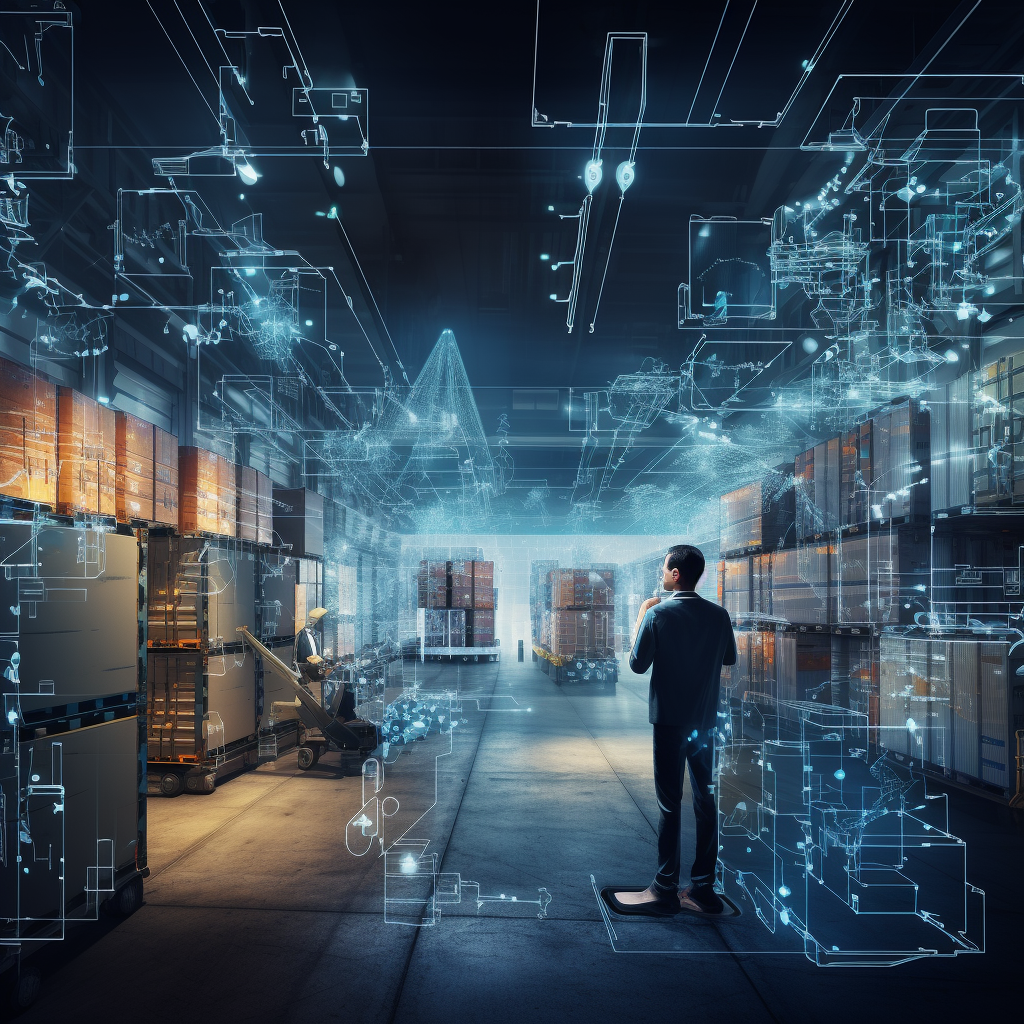
Elevating E-Commerce Efficiency: The Impact of AI on Supply Chain Management
In the dynamic digital age, e-commerce has rapidly become the cornerstone of modern retail, reshaping shopping habits and consumer expectations alike. With just a click, a wide range of products is available for swift home delivery. This convenience, however, comes at a cost: an intricate and complex web of supply chains that companies must navigate to uphold their service promises.
The challenges are manifold, ranging from ensuring swift deliveries to maintaining accurate stock levels. Artificial intelligence (AI) is emerging as the linchpin, poised to revolutionize these supply chain intricacies, bridge gaps, and craft more efficient, responsive systems for e-commerce enterprises.
The Challenges of Modern E-Commerce Supply Chains
In the golden era of e-commerce, the promise of fast deliveries has turned from a luxury to an expectation. Customers no longer just hope for their packages to arrive swiftly; they demand it. But beyond speed, there’s a call for transparency.
Modern consumers want to know where their products are sourced, how they’re delivered, and even the carbon footprint of their purchases. These expectations pile up, putting enormous pressure on e-commerce businesses. Additionally, the quest for sustainability adds another layer of complexity. In a world increasingly aware of climate change, eco-friendly operations aren’t just good PR; they’re a necessity.
How AI is Transforming the Supply Chain
Demand Forecasting and Inventory Management
One of the first areas where artificial intelligence in supply chain operations has made a substantial impact is demand forecasting. Through analyzing purchasing trends, historical sales data, and even social media buzz, AI can predict when a product will be in high demand.
Businesses are not only equipped for unexpected demand surges by maintaining this approach but can also manage ideal inventory levels. This reduces the chances of excessive inventory that incurs extra storage fees or stock shortages that can cause missed sales.
Warehouse Automation
Warehouses, the critical nodes of the supply chain, are undergoing a revolution powered by AI. No longer are they just vast storage spaces. AI-powered robots now assist in picking, packing, and sorting products efficiently. These machines outperform humans in both accuracy and speed, minimizing mistakes and hastening the workflow. By integrating AI effectively, a warehouse can function continuously, ensuring orders are managed in the most streamlined way.
Route Optimization for Deliveries
Every minute counts in e-commerce deliveries. AI comes to the rescue by analyzing real-time traffic patterns, weather conditions, and even historical data to determine the best routes for delivery trucks. This doesn’t just ensure packages arrive on time; it also reduces fuel consumption, lowers costs, and supports green initiatives.
Supplier Relationship Management
In the e-commerce realm, suppliers often go uncelebrated” to “suppliers such as an electronics distributor for shortage solutions often go uncelebrated. However, maintaining a strong relationship with them is vital. AI tools now help businesses evaluate supplier performance, predicting potential disruptions or risks. Enhanced communication through a supplier collaboration platform, powered by AI, streamlines negotiations, ensuring both parties stay on the same page.
Returns and After-Sales Service Optimization
Returns are the bane of e-commerce. They’re often costly and time-consuming. AI steps in by automating the returns validation process, ensuring only genuine cases are processed. Beyond that, by using predictive analytics, businesses can forecast return rates, offering insights to improve product quality or modify return policies.
Sustainable and Ethical Supply Chains Through AI
Sustainability isn’t just a buzzword; it’s a commitment to our planet’s future. AI assists businesses in gauging the carbon footprint of their supply chain operations. With such data, decisions can be made to source more eco-friendly materials or adjust processes to produce minimal waste. The journey to green operations is simplified and made more achievable with AI’s insights.
Exploring the potential of AI for the retail industry reveals how technology enhances operational efficiency, improves personalization, and supports sustainability initiatives.
What Will the Future of AI in Supply Chain Management Bring?
We’re just scratching the surface of AI’s transformative role in supply chain management. While its current achievements are remarkable, the future promises even more wonders.
Based on McKinsey’s research, AI has the potential to slash forecasting mistakes in supply chains by up to 50% and cut transportation and storage expenses by 5–10%. This is monumental when factoring in the vastness of global commerce. Coupled with emerging technologies such as the Internet of Things (IoT), blockchain, and augmented and virtual reality (AR and VR), AI is set to redefine the essence of supply chain efficiency.
We can anticipate capabilities like real-time tracking of goods across continents and innovative virtual warehouses managed through augmented reality interfaces. As technology evolves, the blending of AI with other advanced technology will sculpt a future for supply chain management that is both visionary and unparalleled in its efficiency.
Final Thoughts
The integration of AI into supply chain management heralds a new era for e-commerce. It promises efficiency, transparency, and sustainability, benefiting businesses, consumers, and our planet. As AI’s role becomes more pivotal, embracing its potential becomes essential for a brighter, more efficient future in retail.