Maximizing Lead Conversion with Effective Click Funnel Design
In the competitive world of digital marketing, converting leads into loyal customers is the ultimate goal. A well-designed click funnel is one of the most powerful tools for achieving this. By guiding potential customers through a series of strategic steps, businesses can increase engagement, build trust, and drive conversions. In this article, we delve into the principles of designing effective click funnels, emphasizing the importance of user experience and strategic planning. We’ll also explore how systems like contact center CRM can complement these efforts by organizing customer interactions and data.
Understanding Click Funnels
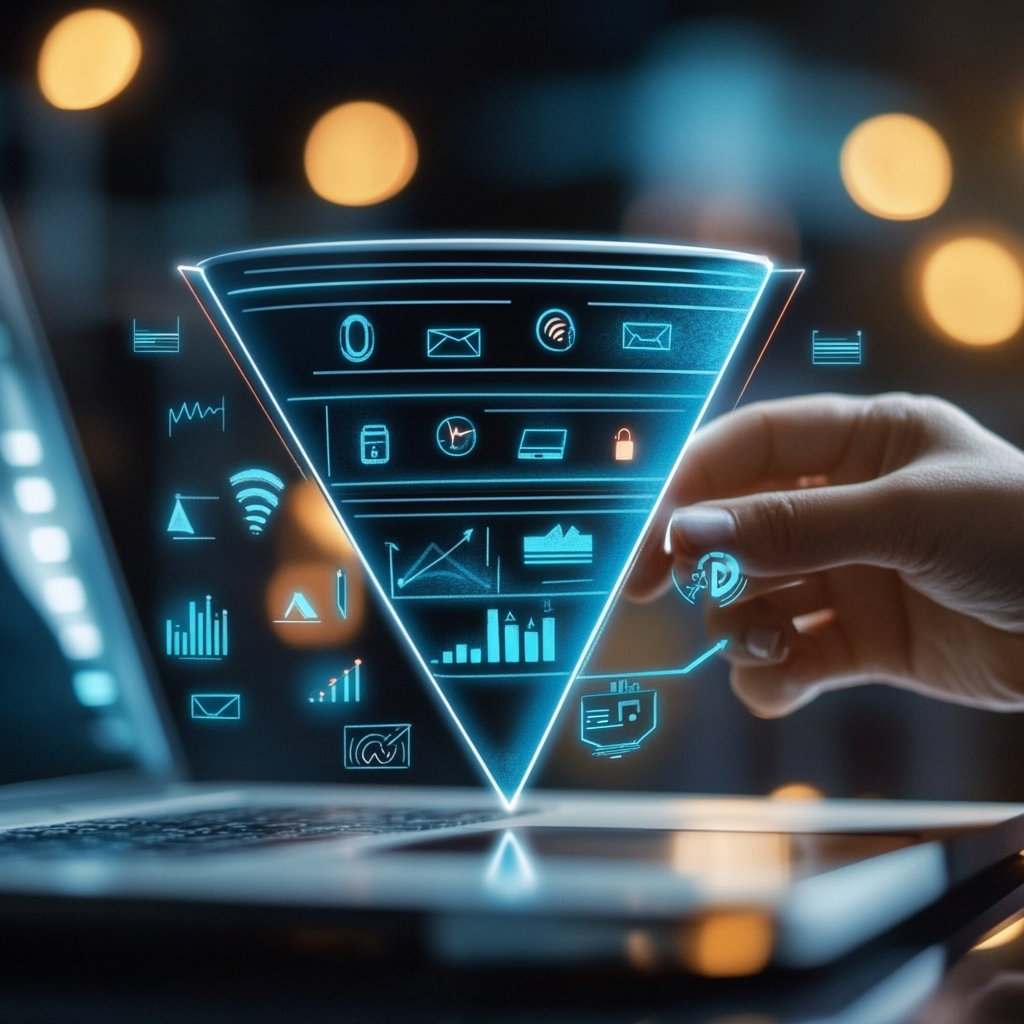
A click funnel is a marketing strategy that takes potential customers on a journey from initial awareness to the final purchase. It’s called a “funnel” because the number of users decreases at each stage, filtering down to those most likely to convert.
Click funnels typically consist of four main stages:
- Awareness: Capturing the attention of potential customers through ads, blog posts, or social media.
- Interest: Engaging users with valuable content, such as free eBooks or webinars.
- Decision: Providing compelling offers, such as discounts or limited-time promotions, to encourage users to commit.
- Action: Guiding users to complete the desired action, such as purchasing or signing up for a service.
The key to a successful click funnel lies in its design. Every stage must be optimized to address the user’s needs and motivations, ensuring a seamless and persuasive journey.
Key Principles of Effective Click Funnel Design
Clarity
Clarity is the cornerstone of any successful click funnel. Users should immediately understand the purpose of each page and the action they need to take. Use concise, engaging copy and clear visuals to communicate your message. Avoid overwhelming users with too much information or unnecessary distractions.
Simplicity
Simplicity goes hand-in-hand with clarity. A simple, streamlined design ensures users can navigate your funnel without confusion. Remove any elements that do not directly contribute to the user’s journey. For example, avoid excessive links or unrelated content that might divert their attention.
Value Proposition
Your value proposition is why users should choose your product or service over competitors. Highlight the benefits you offer and how they solve the user’s problems. Place your value proposition prominently on your landing pages to capture attention and build trust.
Call to Action (CTA)
A strong, compelling call to action is essential for driving conversions. Your CTA should be clear, persuasive, and aligned with the user’s intent. For instance, instead of using generic phrases like “Click Here,” opt for action-oriented text like “Get Your Free Trial Now.”
Enhancing User Experience in Click Funnels
User experience (UX) plays a crucial role in the success of your click funnel. A positive UX increases the likelihood of conversion and fosters trust and loyalty.
Mobile Optimization
With most online traffic coming from mobile devices, ensuring your click funnel is mobile-friendly is vital. Optimize your pages for smaller screens, ensure fast loading times, and use responsive design to provide a seamless experience across all devices.
Fast Loading Times
Speed is a critical factor in user experience. Slow-loading pages can frustrate users and increase bounce rates. Use tools to compress images, minimize scripts, and optimize server performance to keep your pages loading quickly.
Intuitive Navigation
Your click funnel should be easy to navigate, guiding users naturally from one step to the next. Use clear headings, buttons, and progress indicators to help users understand where they are in the journey and what they need to do next.
Trust Signals
Building trust is essential for converting leads. Include trust signals, such as customer testimonials, reviews, and security badges, to reassure users and reduce hesitation.
The Importance of Strategic Planning
Strategic planning is the foundation of an effective click funnel. Without a clear strategy, even the most visually appealing funnel may fail to convert leads.
Understanding Your Audience
Start by identifying your target audience and their pain points. What are their goals, and how can your product or service help them achieve these? Use surveys, analytics, and customer feedback to gain insights into their behavior and preferences.
Data-Driven Decisions
Leverage data to inform your click funnel design. Use analytics tools to track user behavior, identify drop-off points, and measure the performance of different elements. This data-driven approach allows you to refine your funnel and optimize conversion rates.
A/B Testing
A/B testing is a powerful technique for improving your click funnel. Test headlines, images, CTAs, and layouts to determine what resonates most with your audience. Use the results to make data-backed decisions and continually enhance your funnel.
Overcoming Common Challenges in Click Funnel Design
While click funnels are effective, they are not without challenges. Understanding and addressing these issues can significantly improve your results.
Low Engagement
Low engagement often results from unclear messaging or a lack of relevance. Ensure your content speaks directly to the user’s needs and interests. Use personalized messaging and dynamic content to make your funnel more engaging.
High Drop-Off Rates
High drop-off rates indicate that users leave your funnel before completing the desired action. Identify where these drop-offs occur and address potential issues, such as confusing navigation, slow loading times, or weak CTAs.
Poor CTA Performance
If your CTAs are not performing well, consider revising the wording, design, or placement. A compelling CTA should create a sense of urgency and communicate the value of action.
The Role of Analytics in Optimizing Click Funnels
Analytics is a critical component of click-funnel optimization. By tracking user behavior and performance metrics, you can identify areas for improvement and make informed decisions.
Key Metrics to Monitor
- Click-Through Rate (CTR): Measures the percentage of users who click on a CTA.
- Conversion Rate: Tracks the percentage of users who complete the desired action.
- Bounce Rate: Indicates the percentage of users who leave a page without taking any action.
- Average Time on Page: This shows how long users spend on each page of your funnel.
Using Insights to Improve Performance
Analyze your data to identify trends and patterns. For example, if users drop off at a specific stage, investigate potential issues and make adjustments. Continuous monitoring and optimization are essential for maintaining a high-performing click funnel.
Integrating Click Funnels with Broader Marketing Strategies
Click funnels work best when integrated with other marketing strategies. By aligning your funnel with email campaigns, social media, and content marketing, you can create a cohesive user experience that drives conversions.
Email Campaigns
Use email marketing to nurture leads and guide them through your click funnel. Personalized emails with clear CTAs can encourage users to take the next step.
Social Media
Leverage social media platforms to drive traffic to your click funnel. Share engaging content, run targeted ads, and interact with your audience to build interest and trust.
Content Marketing
Content marketing supports your click funnel by providing valuable information that addresses user pain points. Blog posts, videos, and infographics can attract users to your funnel and keep them engaged.
Conclusion
Designing an effective click funnel requires combining creativity, strategy, and data-driven optimization. By focusing on clarity, simplicity, and user experience, you can create a funnel that guides potential customers seamlessly toward conversion. Incorporating tools like contact center CRM systems can further enhance your efforts by organizing customer interactions and providing valuable insights.
Remember, the key to a successful click funnel is continuous improvement. Monitor performance, test new ideas, and adapt to changing user needs. With the right approach, your click funnel can become a powerful driver of lead conversion and business growth.