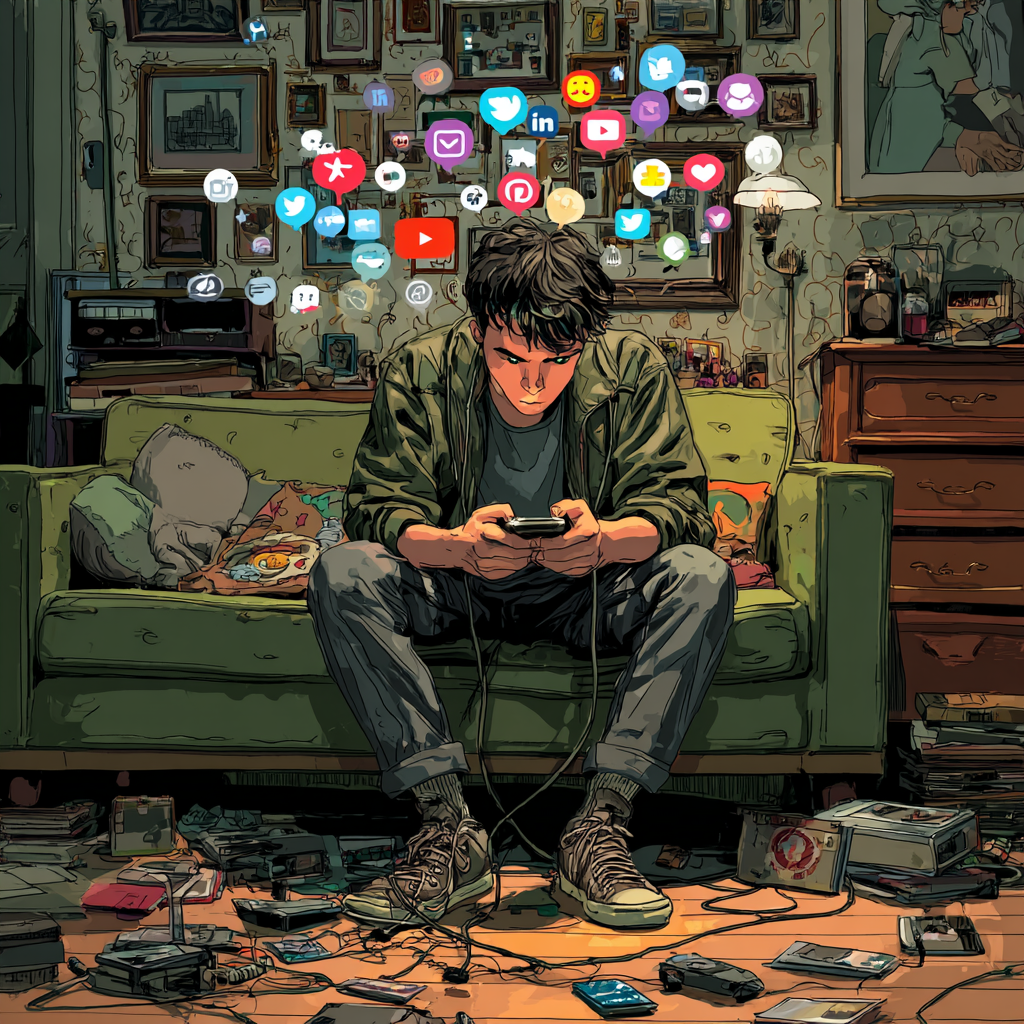
The Daunting Effects of Social Media Addiction
Social media networks helped facilitate a more innovative way for people to stay connected, regardless of physical distance. Even business owners flocked into the social media scene to promote their products and services. Due to advancements in communications and technology, social media networks are now used to measure the behavior of current and potential buyers, which can likely affect market trends and consumption patterns.
However, this phenomenon paved the way for a new kind of addiction. Nowadays, social media addicts comprise a noticeable percentage of Netizens. In a study conducted by the University of Chicago, results showed that Facebook and Twitter, the top two leading social sites, are more addictive than cigarettes and alcohol.
Addiction to anything should be taken seriously, as the term “addict” immediately connotes that a stimulant changes the way a person behaves. For instance, a study by Anxiety UK showed that social media causes anxiety, as 45% of its respondents said they feel uncomfortable and worried when they are not able to access their social accounts and emails. That sense of uneasiness does not always stay internal, as anxiety often shows up through visible physical reactions such as restlessness, a racing heartbeat, trembling hands, facial flushing, and physical signs of excessive sweating, particularly in situations that make a person feel watched, pressured, or emotionally overwhelmed online. 60% of respondents said they need to switch off their gadgets altogether just to avoid checking their social media accounts.
With these in mind, what are the common effects of social media addiction?
Lack of Focus on Work and/or Studies
This is the greatest effect of social media. Since users need to be constantly updated on what’s going on in their own network, they tend to forgo some of the things that need attention, citing that they are simply online to communicate with friends. If this continues, it can lead to one losing his or her job or ultimately flunking out of school.
Detached Social Life
The more time one spends online, the less time he or she spends in the real world. Having a healthy social life is important to developing a person’s emotional quotient. Having kids and teenagers spend hours online, however, hinders their social interaction with people. Confidence and self-esteem are also affected and can lead to a multitude of other effects.
Psychological Effects
Neil Vidyarthi, managing editor of Social Times, believes that social networking opens the door to voyeuristic tendencies, as users can easily peek into other people’s lives. Every user of any social networking site can access another user’s details (e.g., current location), whether they are direct contacts or virtual strangers, despite the site’s privacy settings.
Another controversial effect of social media is its widespread use for cyber-bullying. Many people have cried out to stop this from happening. But given the number of users and the lack of regulation of online activities, it is still predominantly happening.
Social media has helped users bridge that physical gap with their friends and relatives. However, the adverse effects of its frequent use have also started to show. The question remains, then: is social media a good thing or a bad thing? The answer to this is quite simple—as the old adage goes, anything used in excess becomes bad. Regulation is the only way users can provide a clear demarcation line between their real life and their cyber life.
Social media is designed to keep you engaged—and it’s remarkably good at it. Every scroll, like, and notification taps into the brain’s reward system, creating small bursts of satisfaction that can quickly turn into habit. Over time, this constant stimulation can make it harder to focus, reduce attention span, and create a subtle dependency on checking apps throughout the day. What starts as casual use can gradually shift into something more compulsive, where people feel the need to stay constantly connected just to feel “caught up.”
The Mental Health Impact of Social Media
One of the more concerning aspects of social media overuse is its effect on mental health. Constant exposure to curated highlight reels can lead to unhealthy comparisons, making users feel like they’re falling behind in life. This often contributes to increased anxiety, lower self-esteem, and even symptoms of depression. The pressure to present a perfect image online can also create a cycle where validation becomes tied to likes and comments, reinforcing the need to stay engaged regardless of how it actually makes someone feel.
How Social Media Affects Daily Life
The real-world consequences of excessive social media use are often overlooked. It can disrupt sleep patterns, reduce productivity, and strain in-person relationships. Many people find themselves distracted during conversations, less present with family, or procrastinating on important responsibilities. Over time, this shift can impact both personal and professional growth, as meaningful interactions and focused work are replaced by constant digital engagement.
Creating Healthier Digital Habits
Addressing social media addiction doesn’t require giving it up entirely—it’s about building healthier boundaries. Simple steps like setting time limits, turning off unnecessary notifications, or creating phone-free periods throughout the day can make a meaningful difference. By being more intentional with social media use, individuals can regain control, improve overall well-being, and develop a more balanced relationship with technology.
Conclusion
Ultimately, social media addiction is less about the platforms themselves and more about how they are used. While these tools offer connection, entertainment, and access to information, unchecked use can quietly take a toll on mental health, focus, and real-world relationships. By becoming more aware of usage patterns and making small, intentional changes, it’s possible to enjoy the benefits of social media without letting it take control. The goal isn’t perfection—it’s balance, presence, and a healthier relationship with the digital world.