Top 10 Website Design Trends for Creating Engaging User Experiences
Imagine browsing a website with kinetic typography to guide your attention without overwhelming you. This is just one of the emerging design trends that can transform a user’s journey online. Understanding how to integrate elements like organic shapes and gamified components can set your work apart as a web designer or developer. You’ll want to explore how these trends captivate and engage users effectively. Are other trends, such as 3D design or AI integration, worth your consideration? Discover how these top trends can redefine the user experience landscape.
Kinetic Typography
Kinetic typography isn’t just about moving text; it’s about transforming your website into a dynamic storytelling platform that captivates and engages users. By integrating interactive animations, kinetic typography breathes life into your digital narrative, ensuring each visitor’s immersive and memorable experience. The key is its ability to meld seamlessly with other design elements, crafting a cohesive visual journey that effortlessly guides users through your content.
In 2024, the evolution of kinetic typography has made it more interactive and responsive to user actions, offering an enhanced level of engagement. This form of animation instantly captures attention, creating an emotional connection enriched by audio and visual integration. It serves a dual purpose: not only does it convey brand messages effectively, but it also elevates the aesthetic appeal of your website, adding a layer of sophistication and allure. Kinetic typography significantly impacts narrative-driven designs, especially for campaigns.
However, achieving ideal impact requires balancing animation complexity and user experience. High contrast and smooth animations are essential to maintaining readability, while strategic pacing defines the rhythm of your story. When executed precisely, kinetic typography turns your website into a living canvas, masterfully telling your story with every scroll and click.
Organic Shapes
Drawing inspiration from the natural world, organic shapes have emerged as a compelling design element in modern web design. These shapes, defined by their irregularity and asymmetry, evoke natural aesthetics with free-flowing curves and smooth lines. Think of leaves, flowers, or clouds; these forms break away from rigid grid-based layouts, creating a sense of fluid dynamics and visual intrigue. You can craft a relaxed and inviting atmosphere on your website by incorporating organic shapes.
Organic shapes are more than just eye candy; they actively guide user attention and build trust. Their friendly and approachable nature reduces the monotony of traditional layouts, enhancing user engagement while softening the overall look to minimize eye strain. They offer flexibility, allowing you to highlight important content and easily enhance design flow. Parallax scrolling can further improve the visual appeal of organic shapes by adding depth and movement to the user’s experience, making the site more engaging and dynamic.
Balance is key when using organic shapes. Confirm they don’t interfere with usability or the brand’s identity. Pairing them with geometric shapes and text can create a harmonious design. Remember to use them sparingly to avoid overwhelming the user. Organic shapes can adapt seamlessly across devices by confirming responsiveness and maintaining their impact and appeal in various contexts.
3D Design
In the evolving landscape of web design, 3D design is emerging as an enthralling trend for 2024, transforming how users interact with digital spaces. By integrating 3D immersion and interactive visuals, websites create experiences that captivate and engage users on a whole new level. Imagine exploring a vacation rental on Airbnb or arranging your living room with IKEA furniture through virtual reality before deciding. These examples highlight how 3D design enhances user engagement and interaction.
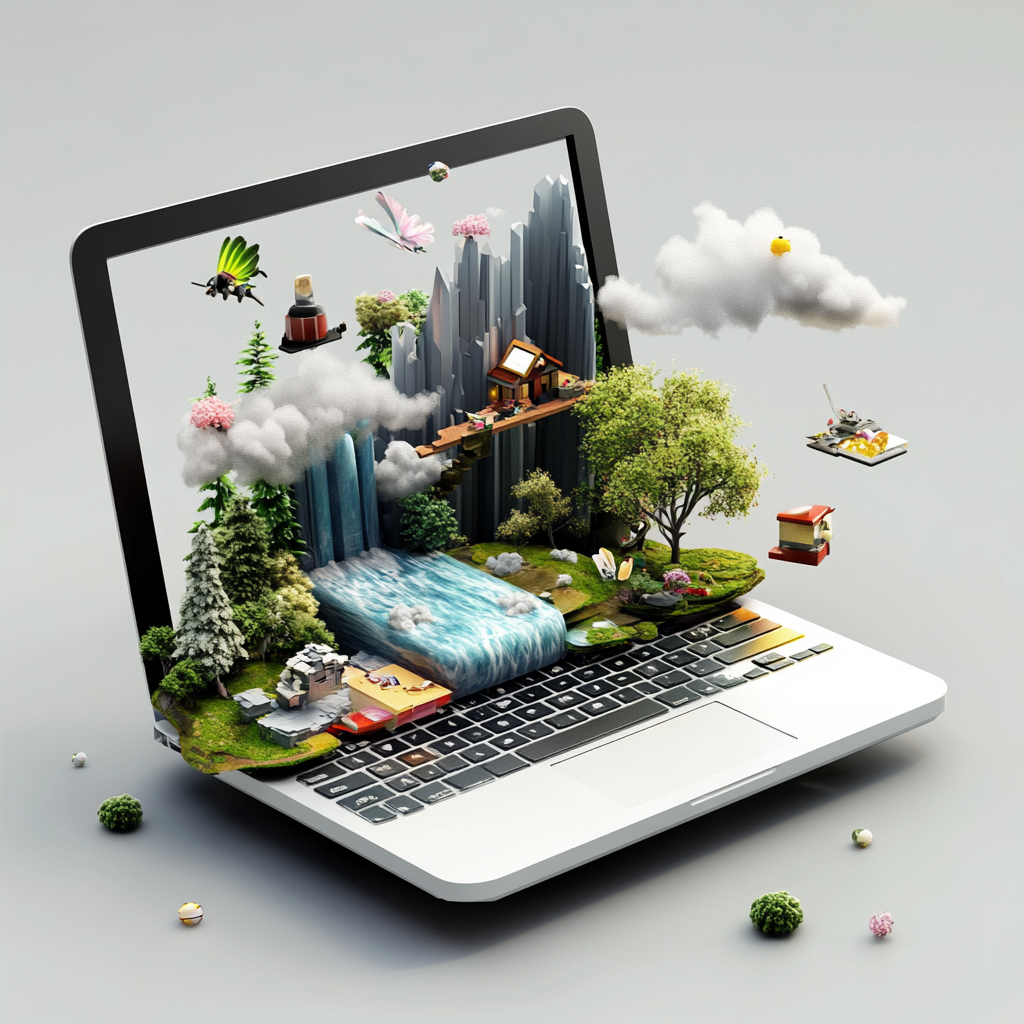
With advanced technologies like AR and VR and improved browser capabilities, 3D graphics have become more accessible. Using tools like CSS and WebGL, you can craft intricate 3D effects supported by AI to generate customized models. Cloud computing further facilitates the seamless integration of 3D elements, ensuring your website remains responsive across devices. The importance of seamless experiences for diverse user abilities is emphasized, focusing on accessibility and inclusivity to ensure that 3D design is accessible to all users.
The advantages are clear: 3D design considerably boosts user engagement and conversion rates by providing immersive product visualization and strengthening brand identity. However, balance is critical. Blend 3D and 2D elements harmoniously, keeping performance, load times, accessibility, and usability in mind. Done right, 3D design elevates visuals and enriches the user experience without overwhelming it.
Gamified Elements
While 3D design brings depth and dimensionality to web experiences, gamified elements take user interaction to another level by infusing websites with engaging game mechanics. Integrating challenges, leaderboards, and user rewards can motivate users to explore your content more actively. The key is to weave these elements seamlessly into your design, using storytelling techniques to guide the user journey.
Incorporate dynamic content and AI-driven personalization to tailor the experience, making users feel valued and engaged. Design techniques like drag interaction and kinetic typography can create immersive experiences that captivate users. To maintain a clean, intuitive interface, organize gamified elements with Bento UI and grid systems. Use vibrant colors and textures to draw attention to interactive components, enhancing the visual appeal. As more brands emphasize sustainability in their design practices, incorporating eco-friendly gamified elements can also appeal to environmentally conscious users.
Gamified design not only boosts engagement but can also lead to higher conversion rates and user retention. By creating personalized experiences, you can improve satisfaction and foster loyalty. Ascertain that every gamified element is intuitive and easy to use to prevent frustration. Looking ahead, expect trends like AI-generated content and virtual reality to revolutionize further how gamification enhances user experiences, solidifying your brand’s identity and recognition.
Microinteractions
As you explore the world of web design, microinteractions emerge as subtle yet powerful tools that transform user interfaces into more intuitive and engaging experiences. These small animations and effects, like scrolling animations and hover effects, provide essential user feedback, making interactions smoother and more responsive. By intuitively guiding users through digital spaces, microinteractions enhance the overall user experience, ensuring a positive emotional connection with your website.
Integrating visual cues, microinteractions act as gentle nudges, indicating changes in state or drawing attention to specific elements. For instance, a link changing color upon hover immediately signals interactivity, providing instant feedback. This heightens engagement and helps manage user expectations by conveying system status and reducing uncertainty during navigation. Microinteractions provide subtle feedback, enhancing page user experience and fostering a dynamic and exploratory environment.
When implementing microinteractions, focus on responsiveness and seamless integration across devices. Consistent use of these elements instills predictability, making navigation effortless. However, keep them subtle to avoid distraction, ensuring a user-focused experience. Consider accessibility by offering alternative interaction forms for diverse abilities. Websites like MA True Cannabis and Ultranoir illustrate how these elements can be creatively leveraged for dynamic, immersive experiences. By doing so, you foster a visually engaging and user-friendly environment.
Ultra-minimalism
Step into the world of ultra-minimalism, where design transcends complexity by embracing the elegance of simplicity. By stripping away all non-essential elements, ultra-minimalism allows you to focus on what truly matters. This approach creates a powerful visual hierarchy, directing attention to vital information and enhancing user engagement. Simplified color schemes and clean lines bring clarity, while faster load times guarantee a seamless experience.
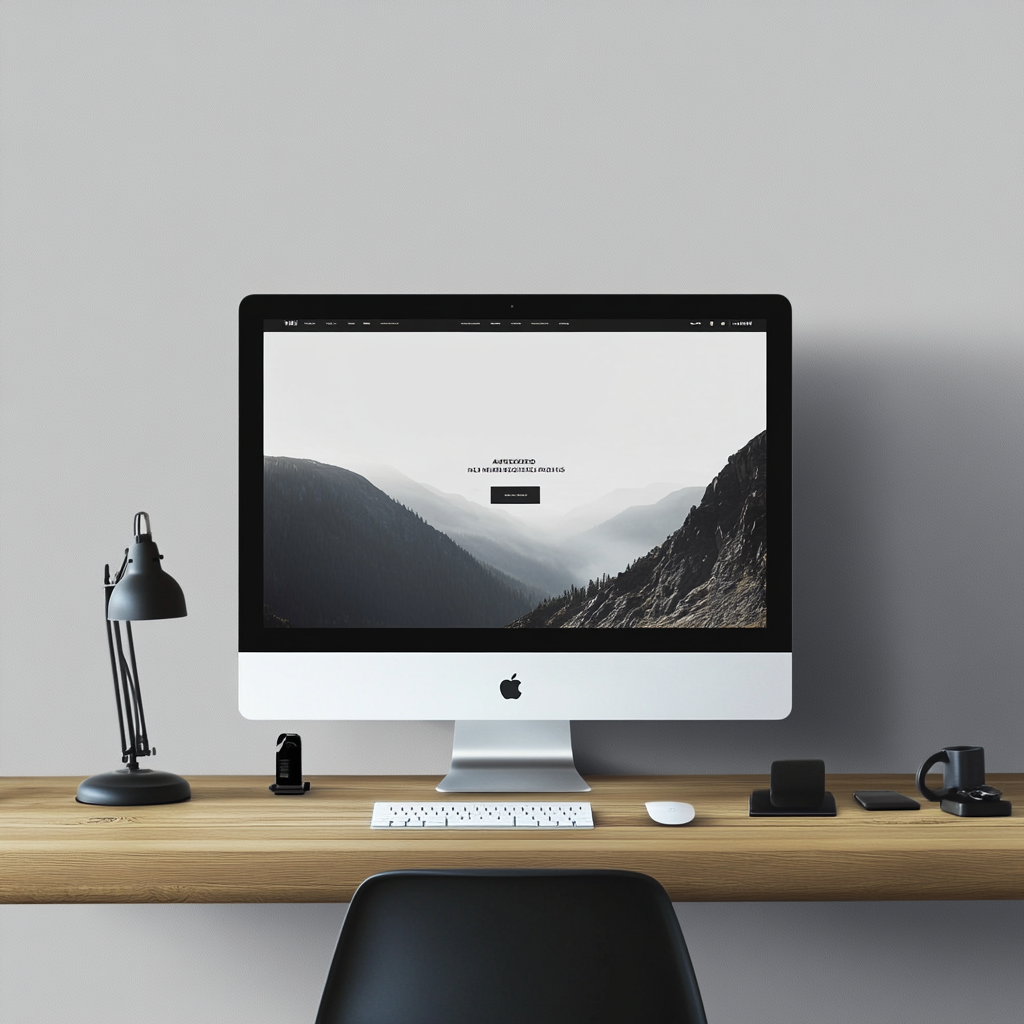
Ultra-minimalism enhances user experience by reducing clutter and distractions. By spotlighting essential content, you communicate more effectively, increasing conversion potential. However, this design trend demands a delicate balance. You must verify that minimalism does not compromise the information needed for user understanding. It’s essential to convey value through straightforward yet impactful text. Ensuring the website’s digestibility is crucial, as grid lines can provide order and simplicity that complement ultra-minimalistic designs.
To implement ultra-minimalism successfully, use bold typography paired with ample clear space. Neutral backgrounds with strategic accent colors help maintain focus without overwhelming the user. Leverage negative space to enhance readability and keep messaging clear and simple. This thoughtful approach guarantees that aesthetics don’t overshadow usability. By mastering the art of ultra-minimalism, you provide a streamlined, engaging experience that captivates users and emphasizes the essentials without losing clarity or purpose.
Retro Resurrection
Retro Resurrection is about reviving past decades’ aesthetic charm while infusing it with contemporary digital flair. As you immerse yourself in this trend, embrace the vibrant world of Y2K nostalgia with neon aesthetics and unconventional color combos that make your designs pop. Think bright neon greens and pinks layered with glossy, reflective surfaces that transport users back to the early web days.
Retro typography is key to setting the tone, using fonts inspired by the ’60s through the ’90s. Pair these with geometric patterns and checkerboard designs to evoke a playful visual experience reminiscent of arcade games and sci-fi motifs. Incorporate vibrant gradients to add depth, seamlessly blending retro-futuristic aesthetics with modern digital elements. Nature inspired design can complement retro elements by incorporating organic shapes and asymmetrical designs that break the monotony and guide user navigation.
The tactile textures of grainy overlays and hand-drawn illustrations add an organic feel. At the same time, nostalgic imagery, like Polaroid-style photos, taps into users’ emotional connection with the past. Combine the dynamic energy of the early web with low-fi elements and nod to Geocities-era design to create an engaging, immersive experience. Balancing nostalgia with digital innovation creates an enchanting and memorable user experience.
UX-Focused Design
While the digital landscape continues to evolve, UX-focused design remains the cornerstone of creating seamless and engaging user experiences. At its heart, responsive design guarantees your content looks impeccable across all devices, providing a fluid shift between screens. This adaptability is essential, especially as users switch from mobile to large screens daily. By incorporating liquid graphics, you can elevate this experience with dynamic visuals that adapt beautifully, enhancing the visual appeal. Responsive design ensures fast loading times, crucial for maintaining user satisfaction, especially on mobile devices.
Emotional intelligence in design plays a pivotal role in crafting interfaces that resonate on a deeper level. By harnessing AI-powered personalization, you can anticipate user needs and foster connections that evoke joy and trust. This emotional design strategy not only captivates users but also builds lasting loyalty.
With thumb-friendly mobile navigation, you prioritize user comfort, making your site more accessible and intuitive. This user-centric approach guarantees that navigation elements are within easy reach, enhancing the overall mobile experience.
- Responsive Design: Seamlessly adapts to any screen size, guaranteeing a consistent user experience.
- Emotional Intelligence: Builds trust and joy, fostering deeper user engagement.
- Thumb-Friendly Navigation: Enhances mobile usability by optimizing ease of access.
Broken Grids
As you prioritize UX-focused design to create seamless user experiences, exploring the concept of broken grids can add a new layer of creativity and engagement to your web designs. By intentionally deviating from standard grid patterns, broken grids introduce a visual hierarchy that captivates users’ attention through dynamic and unpredictable layouts. Start with a solid grid system to establish a foundational structure, then break away by adjusting element positions and sizes. Broken grid layouts are innovative and engaging alternatives to traditional designs, enhancing the user experience through visual interest and creative freedom. Incorporating layered textures, images, typography, and colors adds depth and visual interest. Overlapping elements and irregular patterns create unexpected relationships and dynamism, making your site stand out. However, even with these creative constraints, maintaining consistency in your aesthetic is key. Despite breaking grid rules, you should still adhere to basic web design principles to guarantee accessibility and user-friendliness.
The unpredictability of broken grids makes them a powerful tool for engaging users, offering designers flexibility and room for innovation. Websites like Dada Data and Mica Rino exemplify the effective use of this technique. Use CSS and graphical tools to experiment with element placement, ensuring each component contributes to a coherent, engaging visual narrative. This approach not only grabs attention but also creates memorable user experiences.
AI Integration
AI is reshaping website design, offering tools that blend functionality with visual appeal. Integrating AI-driven tools allows you to transform static websites into dynamic experiences with automated layouts and real-time content. Imagine using AI personalization to tailor user journeys, making each interaction unique and engaging. With predictive analytics, anticipate user behavior and craft experiences that feel intuitive and seamless. The potential for design innovation is vast, encompassing features like interactive chatbots and adaptive layouts that respond to user behavior.
- Automated Layouts: Leverage AI to generate aesthetically pleasing, functional layouts, saving you time and enhancing productivity.
- AI Personalization: Use real-time data to create personalized experiences, making users feel seen and understood.
- Accessibility Design: Guarantee inclusivity by automatically identifying and correcting web accessibility issues.
AI-driven design tools such as Adobe Sensei and Framer AI streamline your creative process, optimizing for speed and user experience. These tools predict user needs, offering tailored content and suggestions that resonate. They also enhance accessibility design, making your website inclusive to all users. As you engage with these AI technologies, you’re not just building a website but crafting an adaptive, user-focused experience that evolves with each interaction. By utilizing data-driven insights from AI, your design and functionality can be enhanced, providing a competitive advantage in the web design landscape.
Conclusion
As you navigate the ever-evolving digital landscape, let these trends guide you to craft sites that dance with kinetic typography and breathe through organic shapes. Immerse yourself in the depths of 3D design and gamified elements, where user engagement becomes a thrilling adventure. Embrace the harmony of microinteractions and broken grids, seamlessly weaving UX-focused designs. With AI as your co-pilot, unleash personalized journeys that resonate, ensuring your digital masterpiece captivates and satisfies every user’s heartbeat.