Backlinks Explained: How They Impact SEO and How to Get Them
Many marketers and SEO specialists devote a significant portion of their time and resources to acquiring backlinks. Whether you’re a newbie or a pro, you know that gaining quality links isn’t the most straightforward task. Yet, unfortunately, the ‘out of sight, out of mind’ approach won’t work here because backlinks are a must for online visibility and high search rankings.
when
So, how can you solve this issue? In this post, we will break down the link-building concept. We will make the connection between SEO and backlinks clear. And, of course, we’ll wrap it up with our best tips for getting the right kinds of backlinks. Sounds exciting? Let’s dive in.
What Is the Meaning of SEO Backlinks (With Examples)?
SEO backlinks are links on other websites that, when clicked, lead people to your website. Think of it like the digital equivalent of a referral, where other websites are vouching for your credibility.
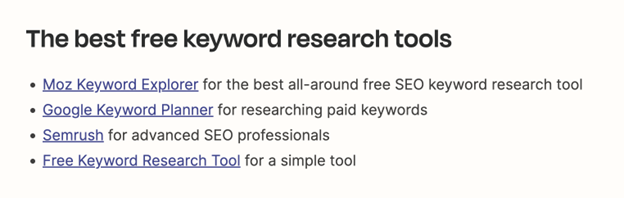
For example, an article about free software for keyword research might include a link to each tool mentioned, so readers can click it to access the platform. The screenshot below shows how Zapier connects to Moz, Google, Semrush, and more. This means that all those pages got a backlink from Zapier.
But this is not the only way a backlink can appear in a blog post. It can be included or embedded in a phrase, a sentence, a quote, a statistic, etc. Here is another backlink from ClickUp to Reuters with the anchor text “200 million people.”

Source: ClickUp
Why Do You Need Backlinks?
So, we have covered the answer to the question, “What are backlinks in SEO?” But why should you care? Here is the thing — the more quality backlinks you have, the greater the odds of your website dominating search results.
Still not convinced? So many stats show just how important having backlinks is for your website. Here are just a few of them:
- Higher search rankings. The top-ranking sites on Google search result pages have, on average, 3.8x more backlinks than the rest.
- Domain authority and credibility. 92.3% of the top 100 top-ranking domains have a minimum of one backlink. Links are one of the main ways to improve your domain authority, which directly impacts your credibility and rankings.
- Referral traffic. Websites with 30-35 links can get up to 10,500 visitors each month. When your backlinks appear on websites with high traffic, some of their visitors eventually click on the links. That’s how your referral traffic goes up.
While there have been many changes in Google algorithms over the years, some things remain the same. For instance, helpful content and quality backlinks are still crucial ranking signals.
How to Get High-Quality Backlinks
Of course, the easiest way would be to buy backlinks for SEO and pay a separate fee for this. Yet, if you want to do this all by yourself, you can try a couple of tactics. Most of them might seem challenging at first, but here are our tips to make them work better:
Guest Posting
Guest posting is a go-to tactic for SEO and backlinks. When done consistently in the context of ongoing SEO services, you can increase your brand awareness, pull more organic traffic, and establish your brand authority.
- Find the right prospects. It would be best to start by finding suitable sites (i.e., with relevant topics, decent traffic, and good domain scores). You can use the Google search operator “write for us” to find pages like these. You can also lookup directories, search for the names of prolific guest bloggers, or peek at your competitor’s backlink profiles.
- Shoot your shot. This is almost like sliding into the DM of your crush but for webmasters and bloggers. Send your personalized emails pitching your ideas for the guest posts. They might buy the idea if you are convincing enough, which means a link for you.
- Follow up. This part is important whether you hear back from webmasters or not. You should email them at least a week after your pitch if you haven’t received a response, and then let it go. On the other hand, it’s also a good idea to keep in touch occasionally, even after they publish your article on their site.
Linkable Assets
You must focus on shareable content if you don’t want to ask for backlinks. One of the best options for this is linkable assets. When you create infographics, case studies, and other visual pieces, people are likelier to share them and link to you. How can you make it work?
- Optimize linkable assets for SEO so that it’s easier for people to find them in searches.
- Use quality graphics and images that convey your points clearly.
- Bookafy also recommends making visual-based reviews and portfolios, as this highlights your expertise and attracts more clicks.
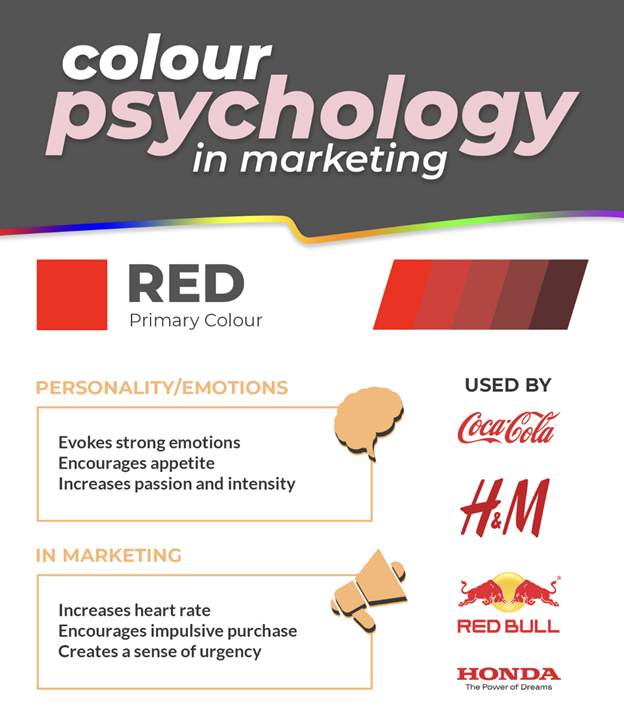
Source: Giraffe Social
Become a Resource for Journalists
While it might not seem like that, journalists constantly look for niche experts like you to give them soundbites for their stories. How do you find those journalists? You can sign up on sites that connect you (the expert) with the reporters. Connectively (formerly HARO) is one such site.
After signing up, you have to search for relevant keywords to find any unanswered questions that you can respond to. When you find these, try to respond quickly and provide valuable insights if you want your answer to be picked. Once they publish your reply, they will link you to your website.
Hire an Agency
Sometimes, you might not have the time or resources to manage the entire process of getting backlinks on your own. Many marketers and SEO experts in these shoes opt to hire an agency to handle it for them.
All agencies are not created equal. So, you will have to do some background digging to ensure they use SEO-friendly tactics like the ones mentioned earlier. Even then, remember that if you buy backlinks from credible agencies, you still need good guest content.
Besides, if you choose to work with an agency or even a freelancer, create a tracking system to ensure your link-building process is on point.
4 Best Practices for SEO Backlinking
Now that you know how to get backlinks, let’s discuss the best practices for maximizing your SEO backlinking efforts.
#1 Links Must Come From Authoritative Sites
Having your backlinks placed on websites with high domain authority is best. These are the kinds of sites that pass the most link juice. While no specific DR guarantees you the perks of link building, there is still some general range to keep in mind.
For instance, a domain rating above 50 is good, but it’s even better if you find one above 70. On the other hand, while anything below 50 is manageable, going lower than 20 DR is not advisable.
Another good rule is to check domain ratings using several tools, like Ahrefs, Semrush, and Moz (Note: They have free checkers). You might be surprised how different your results can be.
#2 Go For Niche-Relevant Websites
Even if a website has a high DR, you still have to ensure that it is not just a random page that looks good. It has to be one that talks about topics similar to yours (i.e., a topically relevant site).
For example, if you have a diet and nutrition blog, then a fitness blog backlink makes more sense than one from a gambling site. Plus, if you’re using link building for your local off-page optimization, ensure you get links from relevant locations, at least most of the time.
Why bother? Anything from an irrelevant page just screams “spamming.” If you have too many links like that, it can cause Google to flag your site for manipulative link-building practices.
#3 Don’t Overuse Keywords in the Anchor Text
While using keywords in your anchor text (the phrase that makes up the hyperlink) seems like the most obvious solution, you should do it carefully.
Of course, a target keyword is fine now and then, but stuffing your anchor texts with keywords will surely backfire badly. How? This might not give you any link juice and trigger a manual action from Google. So, it’s best to maintain a healthy balance in your backlink profile:
- Branded anchors (~40%): For example, “Nike.”
- Generic anchors (~35%): For example, “discover more here” or “check this.”
- Exact keywords (~1%): For example, “buy sneakers.”
- Partial keywords (~9%): For example, “choosing good sneakers.”
- Naked URLs (15%): For example, “www.nike.com.”
Tip: Use your keyword next to your generic anchor text.
#4 Create a Healthy Mix of Dofollow & Nofollow Links
You want to focus on do-follow links, as these are the ones that actually pass on any link equity. On the other hand, while the link with a nofollow tag won’t do much for your SEO rankings, it is still essential to have them. Why? Because it shows Google that your backlink profile is natural.
But then again, even when getting that dofollow link, you want it to be from a site with more dofollow than nofollow links. These look better in the eyes of search engines. It’s even better if it’s your first link from that site. Too many backlinks from the same site can look suspicious or be simply useless.
Conclusion
Now you know all the fundamentals about links — from the meaning to the importance of backlinks for websites. The only thing left is to start applying all the tips you’ve discovered as soon as you can. We know that it seems overwhelming. But trust us, it gets much easier with practice.