Why Traditional SEO Signals Aren’t Enough in an AI-Driven Search World?
Search engine optimization has long relied on a familiar set of signals. Keywords, backlinks, meta tags, and technical performance were once enough to improve rankings and drive organic traffic. For many years, businesses focused on appearing at the top of search engine results pages by aligning content with these traditional SEO practices.
However, search has entered a new phase. AI-driven systems now power how information is interpreted, selected, and presented to users. Instead of simply ranking pages, modern search engines and AI assistants aim to understand intent, context, and relevance more deeply. As a result, traditional SEO signals alone are no longer enough to guarantee visibility or influence.
From Keywords and Rankings to Context and Understanding
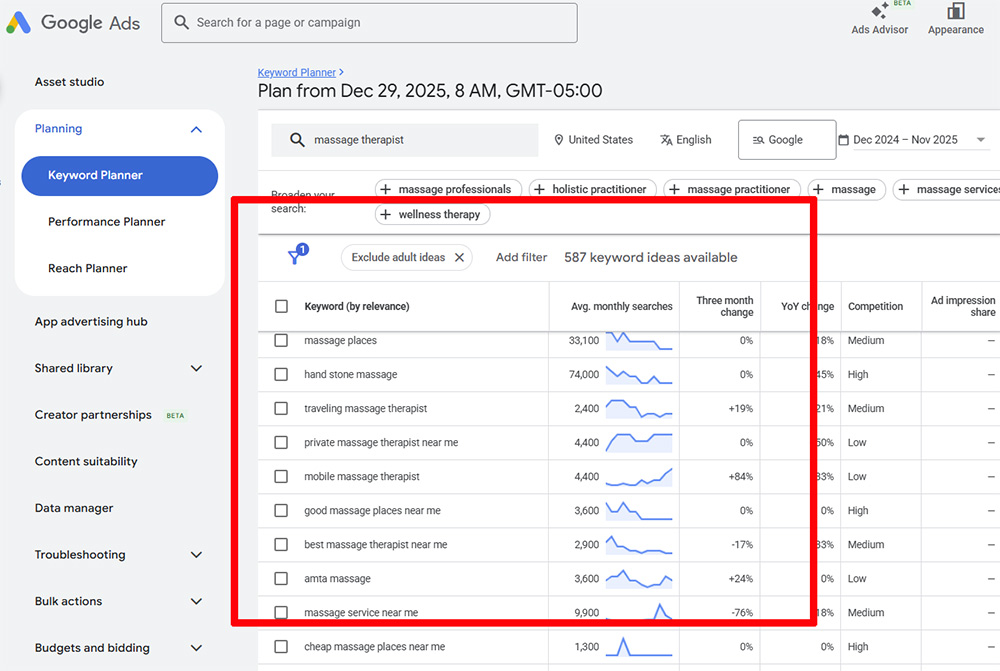
Traditional SEO is built around the idea that users type clear, direct queries and expect matching results. Keywords act as the bridge between user searches and website content. While this approach still plays a role, AI-driven search goes far beyond keyword matching.
AI systems analyze the meaning behind a query rather than the words themselves. They consider context, prior interactions, and the broader topic space surrounding the search. This allows them to interpret what the user truly wants, even if the query is vague or incomplete. In this environment, content that merely repeats keywords without offering depth or clarity is far less effective.
AI also prioritizes semantic relationships. It looks at how ideas connect, how thoroughly a topic is explained, and whether the content demonstrates genuine understanding. This shift moves SEO away from surface-level optimization and toward meaningful, well-structured information that satisfies real user needs.
How AI Search Chooses What to Recommend?
Understanding How AI Search Chooses What to Recommend requires recognizing that AI systems evaluate content across multiple layers of user intent. Instead of treating a search as a single action, AI interprets it as part of a broader decision journey.
At the earliest stage, AI detects emotional and situational cues. Users may feel uncertain, curious, or overwhelmed, and AI tends to favor content that addresses these emotions with clarity and reassurance. This is something traditional SEO rarely considers.
As the search progresses, AI looks for content that helps users explore their options. Informational depth, balanced explanations, and neutral guidance become important signals. Pages that push aggressively toward conversion without supporting discovery may be overlooked.
Trust also plays a major role. AI evaluates credibility not only through backlinks but through consistency, tone, reputation, and how well content aligns with other trusted sources. Authority is no longer just about popularity; it is about reliability and coherence.
Before making a recommendation, AI considers whether practical questions have been answered. Cost, usability, limitations, and real-world implications all matter. Content that anticipates these concerns is more likely to be selected than content focused solely on rankings.
Although traditional SEO signals are no longer sufficient on their own, they have not disappeared. Technical optimization, crawlability, and structured content remain foundational to enabling AI systems to access and interpret information accurately. However, these signals now function as entry requirements rather than competitive advantages. They ensure content can be considered, but they do not guarantee it will be selected or recommended by AI-driven search systems.
To remain competitive, content strategies must evolve alongside AI search behavior. Brands need to focus on topic authority, clarity, and real-world usefulness rather than chasing individual keywords or links. Content that answers questions thoroughly, reflects user intent across multiple stages, and demonstrates genuine expertise is more likely to align with AI evaluation models. In an AI-driven search world, success comes from being consistently helpful, trustworthy, and contextually relevant—not just technically optimized.
User Experience as a Core Ranking Influence
AI-driven search places strong emphasis on how users interact with content after it is presented. Engagement signals, such as time spent on a page, information clarity, ease of navigation, and overall usefulness, help AI systems determine whether content truly satisfies user intent. Pages that confuse, overwhelm, or fail to deliver practical value are less likely to be recommended, even if they perform well under traditional SEO metrics.
Preparing for the Future of Search
As AI continues to reshape search behavior, marketers must adapt their success metrics. Visibility is no longer defined solely by traffic volume or keyword rankings, but by inclusion in AI-generated answers and trusted recommendations. This requires a shift toward long-term content planning, continuous updates, and a deeper understanding of audience needs. Businesses that align their content with how AI interprets context and intent will be better positioned to remain discoverable in an increasingly intelligent search ecosystem.