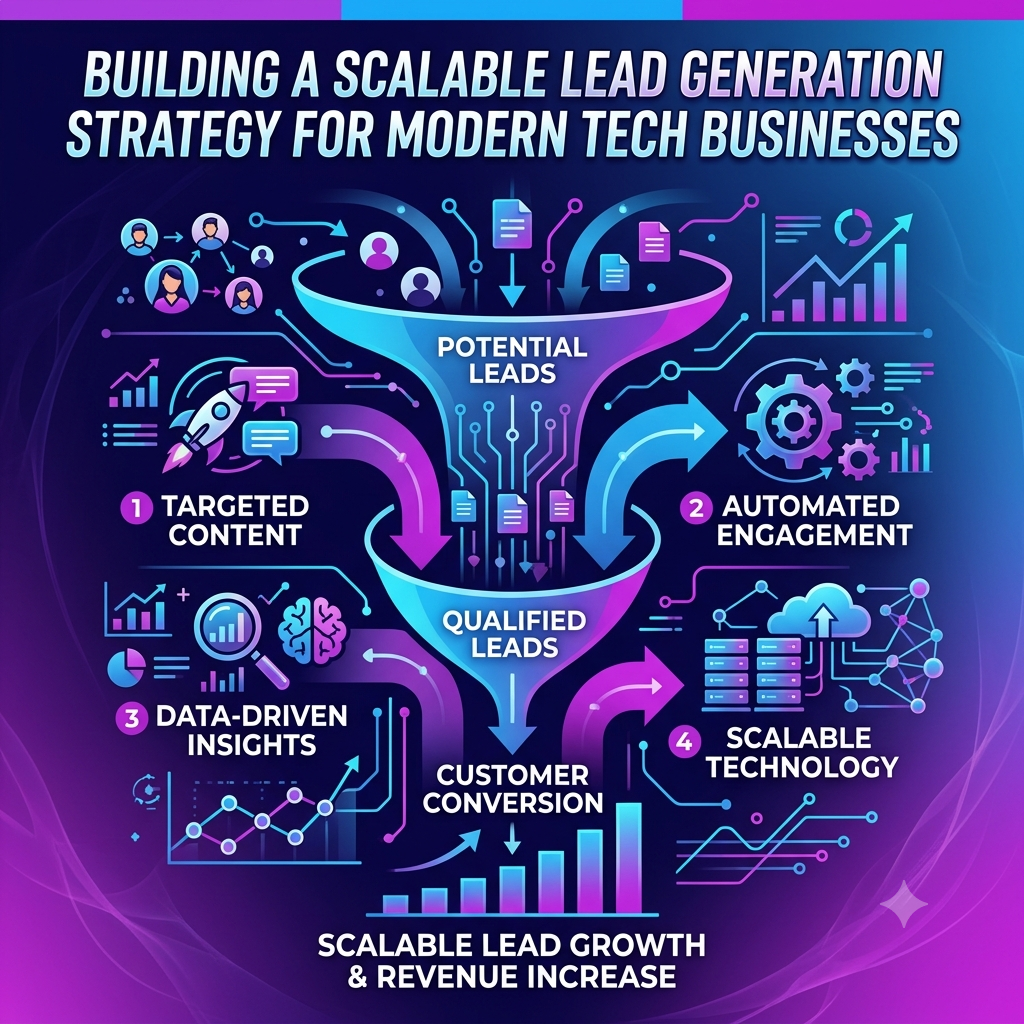
Building a Scalable Lead Generation Strategy for Modern Tech Businesses
Building a steady pipeline of qualified leads is one of the biggest challenges facing modern tech businesses. Many companies invest heavily in content, advertising, social media, and sales tools, yet still struggle to generate consistent growth. The problem is often not a lack of effort but a lack of a scalable strategy that can deliver results over the long term.
As Carlsberg CMO Yves Briantais put it,
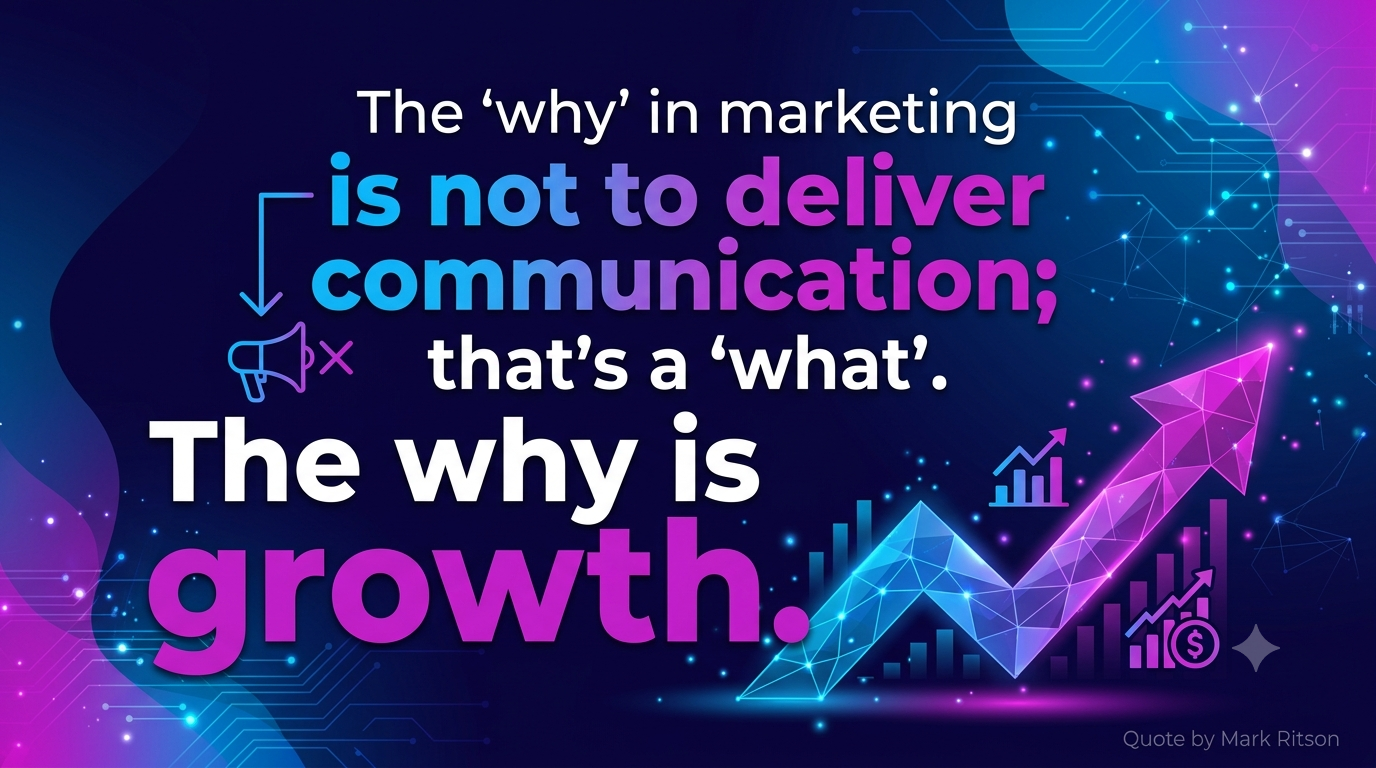
His observation highlights an important reality for technology companies. Marketing activities should not be measured solely by clicks, impressions, or engagement. Their ultimate purpose is to drive sustainable business growth.
That is why lead generation should be approached as a system rather than a collection of isolated tactics. When built strategically, it can create a predictable flow of qualified prospects and support growth at scale.
This article explores the key elements of a scalable lead-generation strategy and how tech businesses can build a reliable pipeline to support long-term success.
Define Your Ideal Customer Before Scaling
One of the biggest mistakes tech businesses make is trying to scale lead generation before clearly identifying their ideal audience. While broad targeting may increase reach, it often yields low-quality leads unlikely to convert. Moreover, for companies operating with long sales cycles and complex buying decisions, attracting the wrong prospects can quickly waste both time and marketing budgets.
Success requires detailed Ideal Customer Profiles that go beyond basic statistics. According to Forbes, this topic is too often punted to marketing, turning into a pretty pile of data with no personality or soul. However, if you are leading an organization, you must truly know your “Who” and picture them clearly.
The most successful companies treat defining their ICP as an art, shaping it with incredible detail. Instead of approaching it like a mathematician solving a cold equation, they build a multi-faceted profile with the depth and nuance of a novelist creating a character. Focusing on specific customer pain points, purchase triggers, and decision-making processes ensures you attract high-quality leads that actually convert.
Create Content That Solves Problems, Not Just Promotes Products
In the tech sector, buyers rarely respond to overtly promotional messaging. Instead, they look for content that helps them understand challenges, evaluate options, and make informed decisions. Educational resources such as blog posts, guides, case studies, and comparison articles often perform better because they provide genuine value throughout the buying journey.
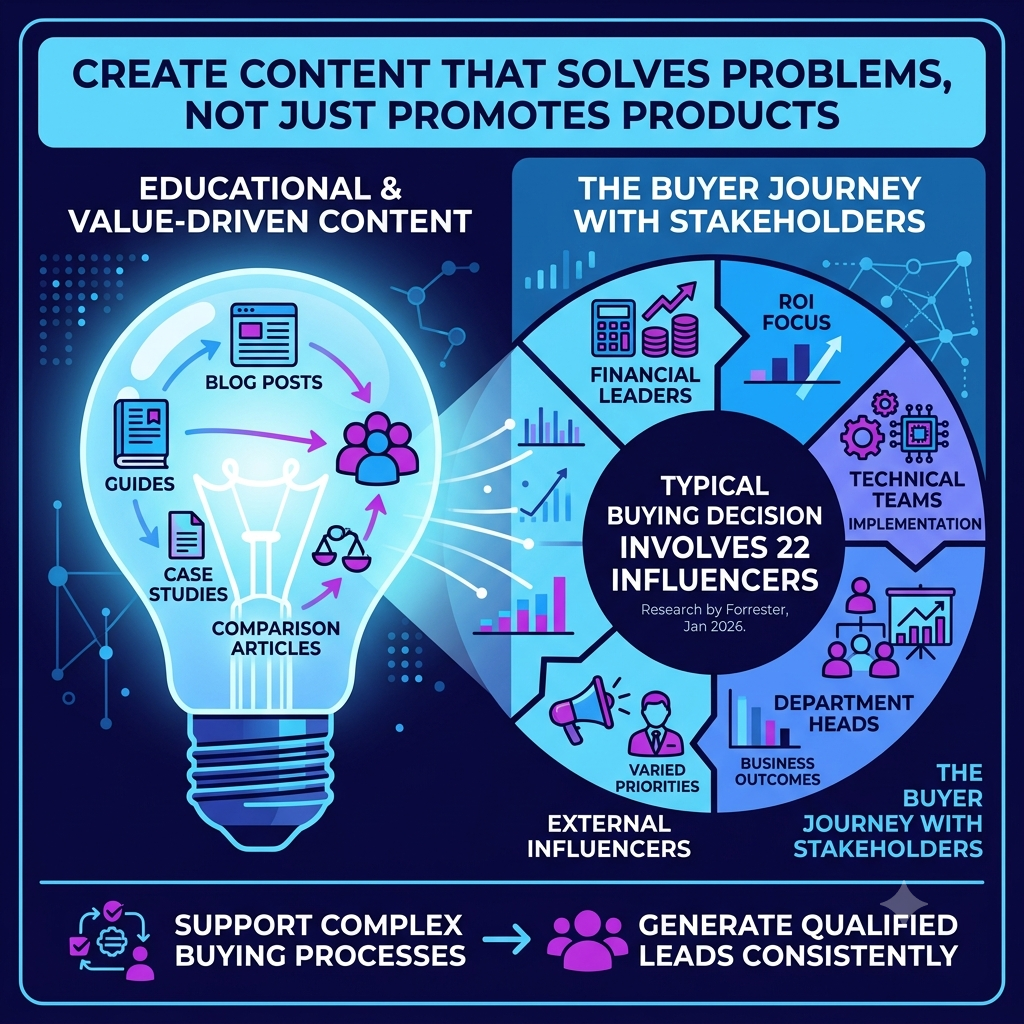
This approach is especially important because purchasing decisions rarely involve just one person. According to research from January 2026 by Forrester, the typical buying decision involves 13 internal stakeholders and 9 external influencers. Each group has different priorities.
Financial leaders may focus on ROI, technical teams on implementation, and department heads on business outcomes. Content that addresses these varied concerns is far more effective than generic product-focused messaging. By creating resources tailored to different decision-makers, businesses can support complex buying processes and generate qualified leads more consistently over time.
Build Visibility Where Buyers Are Already Looking
Generating demand is important, but it is only part of the equation. Businesses must also ensure they are visible when potential customers are actively looking for solutions. In the technology sector, most buying journeys begin with online research.
Decision-makers compare vendors, evaluate options, and seek answers long before they speak with a sales representative. Companies that appear prominently during this research process have a significant advantage over those that rely primarily on outbound prospecting or paid advertising.
This is especially true in highly competitive technology markets like Austin. Nearly half of Texas’s fastest-growing tech firms are based in Austin, highlighting the city’s position as a leading innovation hub. In such an environment, strong organic visibility can be a powerful differentiator.
To strengthen their online presence, many businesses partner with an AI SEO agency to identify high-intent keyword opportunities and improve organic performance. The result is a sustainable source of qualified inbound leads that can continue to generate value long after the content is published.
Diversify Acquisition Channels to Reduce Dependence on One Source
Relying on a single lead generation source can be risky for modern tech businesses. Changes to search algorithms, shifts in buyer behavior, or rising advertising costs can quickly reduce lead volume and create pipeline challenges. To minimize this risk, successful companies diversify their acquisition efforts across channels such as organic content, email marketing, social media, and paid advertising.
Additionally, according to Motoza, businesses can maximize their reach and drive results through precision-targeted advertising. From search and display campaigns to shopping and video ads, platforms like Google Ads and social media offer powerful ways to reach ideal audiences.
Using multiple channels allows businesses to engage prospects at different stages of the buying journey. Awareness campaigns introduce new audiences to the brand, while email nurturing helps maintain relationships over time. Partnering with a digital marketing agency can help ensure these channels work together effectively, delivering a consistent message and creating a more resilient lead generation strategy.
Use Data to Improve Performance Over Time
A scalable lead generation strategy requires ongoing measurement and optimization. While tracking website traffic is useful, the most valuable insights come from metrics such as lead quality, conversion rates, customer acquisition costs, and revenue generated by each marketing channel.
Understanding which activities attract the most valuable customers helps businesses allocate resources more effectively and improve long-term results.
Artificial intelligence is accelerating this process while making it significantly more accurate. According to McKinsey & Company, AI-powered “next best experience” capabilities help companies deliver the right interaction to the right customer at the right time. Rather than relying on generic promotional outreach, this approach focuses on providing more relevant and personalized customer experiences.
McKinsey reports that this approach can increase customer satisfaction by 15% to 20%, boost revenue by 5% to 8%, and reduce service costs by 20% to 30%. By leveraging AI-driven analytics, businesses can identify trends faster, optimize campaigns, and improve lead generation results over time.
Key Statistics Shaping Tech Lead Generation
| Internal stakeholders involved in a typical buying decision | 13 |
| External influencers involved in a buying decision | 9 |
| Share of Texas’s fastest-growing tech firms located in Austin | Nearly 50% |
| Increase in customer satisfaction from AI-powered “next best experience” capabilities | 15%–20% |
| Revenue increase from AI-powered “next best experience” capabilities | 5%–8% |
| Reduction in service costs from AI-powered “next best experience” capabilities | 20%–30% |
Scalable lead generation requires a unified system, not isolated tactics. Long-term growth happens when you combine deep audience insight, problem-solving content, multi-channel acquisition, and continuous data refinement into a single, cohesive engine. In this model, organic search visibility and broader digital marketing initiatives work as powerful complements rather than competing alternatives.
For expanding tech businesses, partnering with specialized AI SEO agencies and digital marketing agencies provides the necessary execution capacity. This collaboration provides immediate expertise, allowing you to build and scale a highly efficient lead acquisition system without reinventing the wheel at each new stage of growth.