How Digital Fingerprints Support Data-Driven Marketing Decisions
How can marketers understand online users better through data? The simple answer is that they can study the subtle signals people leave behind while using websites, apps, and other online platforms. These signals help marketers better understand interest, behavior, timing, and content choices.
Marketing today depends on useful data. People do not all act in the same way online. Some compare products slowly, some read many pages, and some take action after seeing the right message at the right time. A digital fingerprint helps marketers read these patterns with more care.
It is not about guessing what people may like. It is about examining real-world activity and using that information to make better decisions. When done with care, this helps brands create content, ads, and user experiences that feel more relevant.
What Digital Fingerprints Mean In Marketing
A digital fingerprint is a collection of online signals linked to how a user interacts with digital spaces. These signals can include device type, browser settings, language choice, time zone, visit patterns, and page behavior. For marketers, this information gives useful context about user habits.
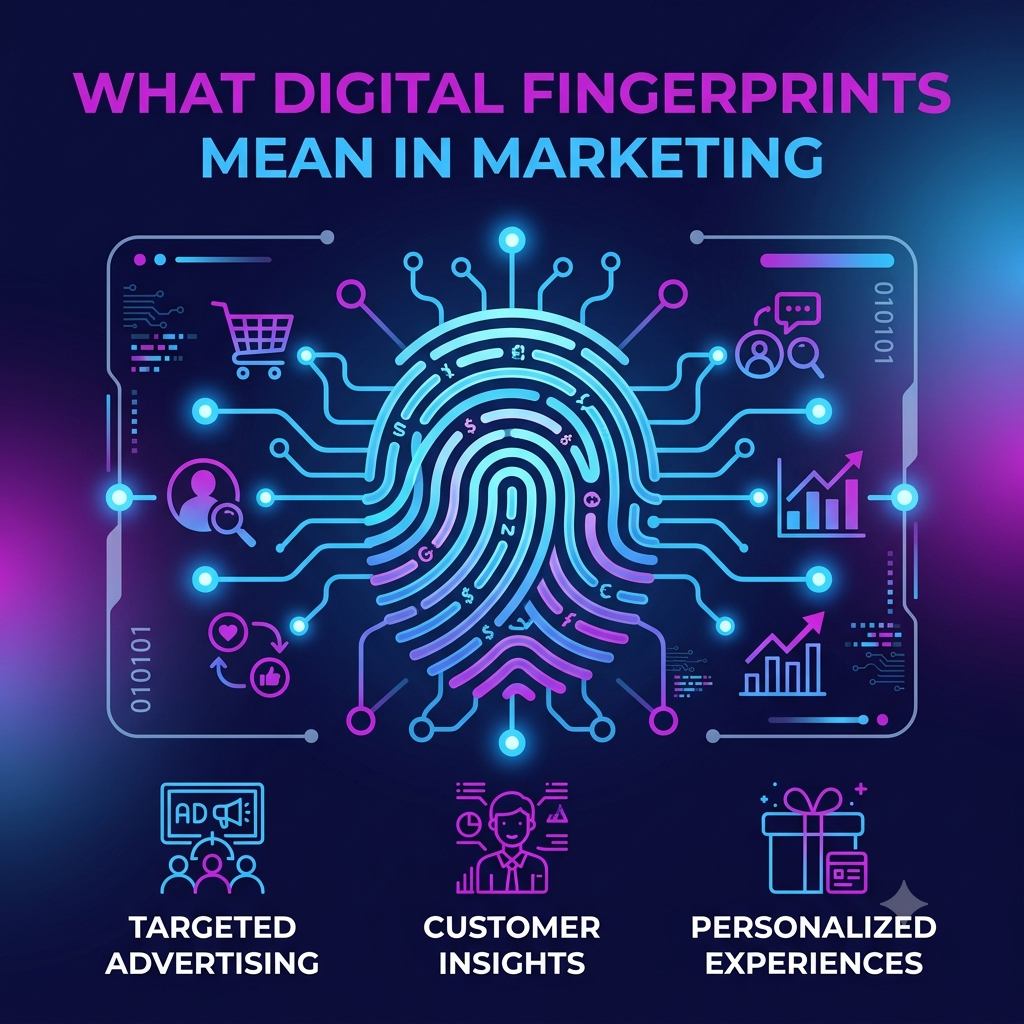
The main value is clarity. Instead of treating every visitor the same way, marketers can better understand different groups. This makes planning more practical and more connected to real user needs.
Understanding User Signals
Every online action can say something useful. A person may visit a pricing page, read a blog post, return a few days later, or spend more time on one type of content. These actions help marketers understand what the person may find useful.
For example, if many users read comparison pages before taking action, the marketing team can create more helpful comparison content. If users spend more time on educational pages, the team can add more simple explanations. This is how small signals become useful for planning.
Connecting Behavior With Intent
Intent means what a user is likely trying to do. Some people are only learning. Some are comparing options. Some are ready to take the next step. Digital fingerprints help marketers separate these stages.
This helps in showing the right content at the right moment. A first-time visitor may need a simple article. A returning visitor may need a clear answer or a useful next step. This makes the user experience feel more natural.
Why Data-Driven Decisions Need Clear User Context
Data becomes more useful when there is context behind it. Numbers alone can show what happened, but context helps explain why it may have happened. Digital fingerprints add that layer of meaning.
This makes marketing decisions more grounded. Teams can plan campaigns, content, and user flows based on actual user behavior rather than just general ideas. It also helps them stay focused on what users are already showing through their actions.
Improving Audience Segmentation
Audience segmentation means grouping users based on shared behavior or interest. Digital fingerprints make this process more detailed. A marketer can group users by visit frequency, content interest, device habits, or action patterns.
This helps create messages that feel more suitable for each group. A user who reads product details may need different content than someone who reads general tips. With better segments, marketing becomes more useful for the reader.
Making Content Planning More Practical
Content planning becomes easier when marketers know what users care about. Digital fingerprints show which pages people visit, how they navigate a site, and what kinds of information hold their attention.
This can help teams choose better topics. It can also help them update old pages, improve headings, and explain common questions in simple words. In daily work, this saves time because the team is not working only on assumptions.
How Digital Fingerprints Support Better Campaign Results
A campaign works better when it is based on real user signals. Digital fingerprints help marketers understand who is responding, what they are responding to, and where they are in the decision process. This makes campaign planning more focused.
It also helps teams learn from every campaign. After each activity, marketers can study the patterns and improve the next step. In this way, data continues to support better decisions over time.
Personalizing Messages With Care
Personalization means showing people content that matches their interests. It does not have to feel complex. Even small changes in message, timing, or page content can make the experience more useful.
For example, a visitor who often reads beginner-level content may benefit from simple explanations. A visitor who checks detailed service pages may prefer direct information. Some teams may also use tools like Octo Browser while studying browser-based workflows and user behavior testing in a controlled way.
Supporting Smarter Ad Planning
Digital fingerprints can also support ad planning. Marketers can study which user groups respond to certain messages, pages, or offers. This helps them plan ads with better direction.
When ad decisions are based on user behavior, the message feels more relevant. It can also help teams use their budget more carefully. The focus stays on people who are already showing interest through their actions.
How Digital Fingerprints Help Improve User Experience
Marketing is not only about bringing people to a website. It is also about helping them move through the site comfortably. Digital fingerprints help marketers see how people use pages and where they spend more time.
This information can guide better page structure, clearer content, and simpler steps. A smooth user path makes the whole experience feel more useful. It also supports trust because people can find what they need without confusion.
Creating Better Website Paths
A website path is the route a user takes from one page to another. Some users may start with a blog. Some may visit a service page first. Some may return through search after reading earlier content.
By studying these paths, marketers can place helpful links, clear buttons, and simple explanations in the right places. This makes the site easier to use. It also helps users move forward at their own pace.
Making Pages More Relevant
Digital fingerprints can show which pages users enjoy most. They can also show which topics attract repeat visits. This helps marketers understand what type of content feels useful to the audience.
A page can then be improved with clearer answers, better examples, and more direct language. This is useful for both readers and marketing teams. It keeps the focus on helping people understand the topic better.
The Role Of Trust In Data-Based Marketing
Trust is very important in any data-based marketing plan. Users feel more comfortable when their online experience is clear, respectful, and useful. Marketers can support this by using data with care and purpose.
Digital fingerprints are most useful when they help improve relevance and communication. The goal should always be to make online experiences better for people. This keeps marketing practical and respectful.
Using Data With Clear Purpose
Every data point should have a clear reason behind it. Marketers should focus on information that helps them improve content, campaigns, and user experience. This keeps the work simple and meaningful.
When teams know why they are using data, decisions become easier. They can focus on useful patterns instead of collecting information without direction. This leads to cleaner planning and better results.
Keeping The Human Side In Marketing
Data is useful, but human thinking is still needed. A chart can show that users like a topic, but a marketer must understand why that topic matters. This is where real experience and common sense help.
Good marketing uses both data and human logic. It looks at user behavior, then turns that learning into helpful content and better communication. That balance makes marketing feel more natural.
Final Thoughts
Digital fingerprints help marketers understand online behavior clearly and practically. They turn small user signals into useful insights for content, campaigns, ads, and website planning.
When used with care, this information supports better decisions and better user experiences. It helps marketers speak to people in a more relevant way. In simple words, it makes marketing less about guessing and more about understanding what people actually need.