First Impressions: Packaging’s Role in Marketing
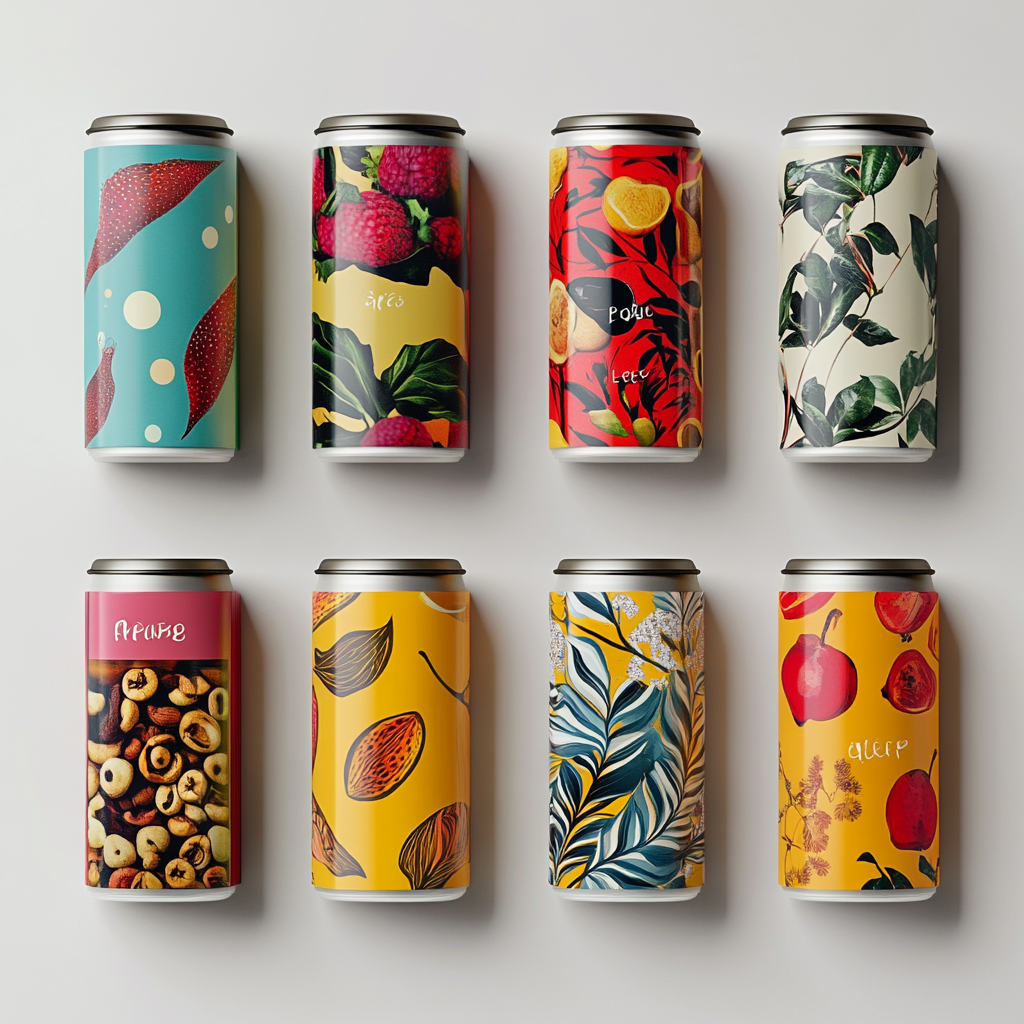
Packaging is one of the most critical aspects of marketing. It’s often the first point of contact between a product and its potential buyer, setting the tone for the entire brand experience. A product’s packaging does more than hold and protect the item inside — it reflects the brand’s identity and values, with an increasing focus on eco-friendly packaging in today’s market. How a product is presented can significantly influence consumer behavior and brand perception, making first impressions all the more important.
Packaging as a Marketing Tool
Packaging has become a potent promotional weapon in the current economic climate, where competition among businesses is intense. Packaging is not meant just to be good-looking; it aims to tell the consumer a certain narrative. The packaging and its contents—be it the smartphone that employs minimalism or the as-if-hand-knit sweater made by artisans—are witnesses of what a company stands for.
Today’s consumers are quite sophisticated and can be satisfied with great attention to detail, and given that wish, they will not only use the packaging but dispose of it. The packaging should stimulate all senses, provide a sensory experience, and state the purpose of the product properly. The color, texture, and even the appearance of the packaging stand to influence the customer the moment he lays his hand on it, even before it is opened or read. Research indicates that people make most of their purchasing decisions within seconds of seeing something for the first time. Within these few seconds, the package has to do the following: attract attention, explain benefits, and generate interest. This is also why the unboxing experience has become an important aspect of marketing: it helps create the best impression.
The Role of Psychology in Packaging
Packaging is not just for containment—it has a psychological influence on consumers as well. Beautifully crafted and designed packaging helps to build bonds with the consumer. For instance, colors can change a person’s feelings. Bright and strong colors create an atmosphere of fun, provoking bright emotions, while soft and gentle colors create sophistication and calmness.
The forms and surfaces of packages affect the consumers’ behavior. A well-packaged product, say a cream in a unique and tactile container, can complement the product’s overall value. For example, a nicely designed bottle usually makes one feel that the perfume inside is expensive. On the contrary, functional and uncluttered designs are preferred by consumers who seek practical meets without any frills.
On the other hand, packaging design also considers a product’s practical use—how easy it is to open, carry, or store, and how this contributes to the overall user experience. Frustrating packaging will almost always deter a consumer from wanting to buy the product, regardless of how good the product is.
Key Elements of Successful Packaging
To stand out on store shelves or in the digital space, brands must consider several key elements when designing their packaging:
- Design Aesthetic: The visual design should align with the product’s target audience and brand image. Colors, fonts, and graphics should evoke emotions and tell the product’s story without overwhelming the consumer.
- Material Choice: The materials used in packaging reflect the product’s quality and the company’s values. With the rise of eco-friendly packaging, brands increasingly opt for sustainable materials that align with environmentally conscious consumers. This not only helps reduce the environmental impact but also sends a strong message about the brand’s commitment to sustainability.
- Functionality: Practicality is key. Packaging needs to protect the product but should also be easy to use. If the packaging is difficult to open or inconvenient to store, it can create a negative experience for the consumer. The perfect balance between form and function is essential.
- Brand Storytelling: Packaging can be a powerful vehicle for communicating the brand’s story. Whether through a printed message, visual cues, or even the feel of the material, the packaging should tell consumers what the product stands for, who it’s for, and why it’s different.
- Sustainability: As mentioned, consumers are increasingly looking for products that reflect their values, and sustainability is often at the top of the list. Adopting eco-friendly packaging can differentiate a brand from competitors while fostering a positive emotional connection with consumers who care about the planet.
Packaging and Consumer Trust
Packaging is equally important in enhancing consumer confidence. A nicely shaped, strong, and elegant package convinces the consumer that the brand is concerned about quality and precision. On the other hand, cheap and unattractive-looking packages will create suspicions about what is inside.
For this reason, it is common practice to find that luxury brands’ designers pay more attention to packaging materials and design as they know the significance of the moment of first contact. Holding the product in the hands, the weight, texture, and feel of the product aids in internalizing the visible worth of the product. Even simple and basic packaging designs that portray the product’s purpose and quality can build positive perceptions and trust among consumers, even where such products are not luxury products.
Contrary to this are those brands that give more attention to the end user’s aspect of the package, like easy reseal bags and less is more style. It is all about who they want to reach and the appropriate packaging.
The Growing Influence of Unboxing Experiences
Social media has also played a crucial role in turning the unboxing experience into a critical stage of the purchase journey. Unboxing videos have been posted on the internet millions of times, providing good publicity for brands whose packages do not shy away from bold designs. Unconsumption is made easier by getting something that has exceptional features that one does not expect from a simple box wrapping, personalized letters, or odd shapes, among other things.
The unboxing moment does not just occur when one is making a purchase; it also enhances the waiting period and the thrill. Such a moment can be present in communication from the brands to the consumers, and it can help evoke a five-star rating of the product to ensure that the consumer will not only remember the product but will be willing to talk about it to everyone around.
Packaging is More Than Just a Box
The role of modern packaging today extends beyond mere containment of the product. It is fundamental to any brand’s marketing strategy, owing to its impact on consumers’ perception, loyalty, and trust. Psychologically speaking, in addition to design and material selection, even aspects such as ‘greenwashing’ are significant in enabling a company to tap into its audience. In the right hands, packaging can more than add value to a product, positioning it against its competitors and creating a relationship out of a one-off encounter.
Nowadays, it is widely accepted that said packaging can both draw attention to the goods on retail shelves and generate well-deserved loyalty, trust, and pleasant emotions in customers. It’s not enough today just to fill a bottle with a beverage and then seal it into a cask; every aspect—including the package and its design—should leave an impression on the customer even after the product is consumed.