How to Integrate Geofencing Into Your Local Franchise Marketing Strategy
Local franchise marketing has become increasingly data-driven as businesses look for more precise ways to reach nearby customers. Traditional methods such as print advertising and broad digital campaigns still have value, but they often lack the level of targeting that modern technology can provide. Geofencing has emerged as a practical solution, allowing businesses to focus their efforts on specific physical locations and deliver timely, relevant messaging to potential customers. When used thoughtfully, it can support stronger engagement, better conversion rates, and a more efficient use of marketing resources.
Understanding Geofencing and Its Role in Local Marketing
Geofencing refers to the use of location-based technology to create a virtual perimeter around a specific area. When a customer enters or exits this defined space with a mobile device, they can be served targeted ads or notifications. This approach allows businesses to connect with consumers in real time, based on where they are and what they may be doing.
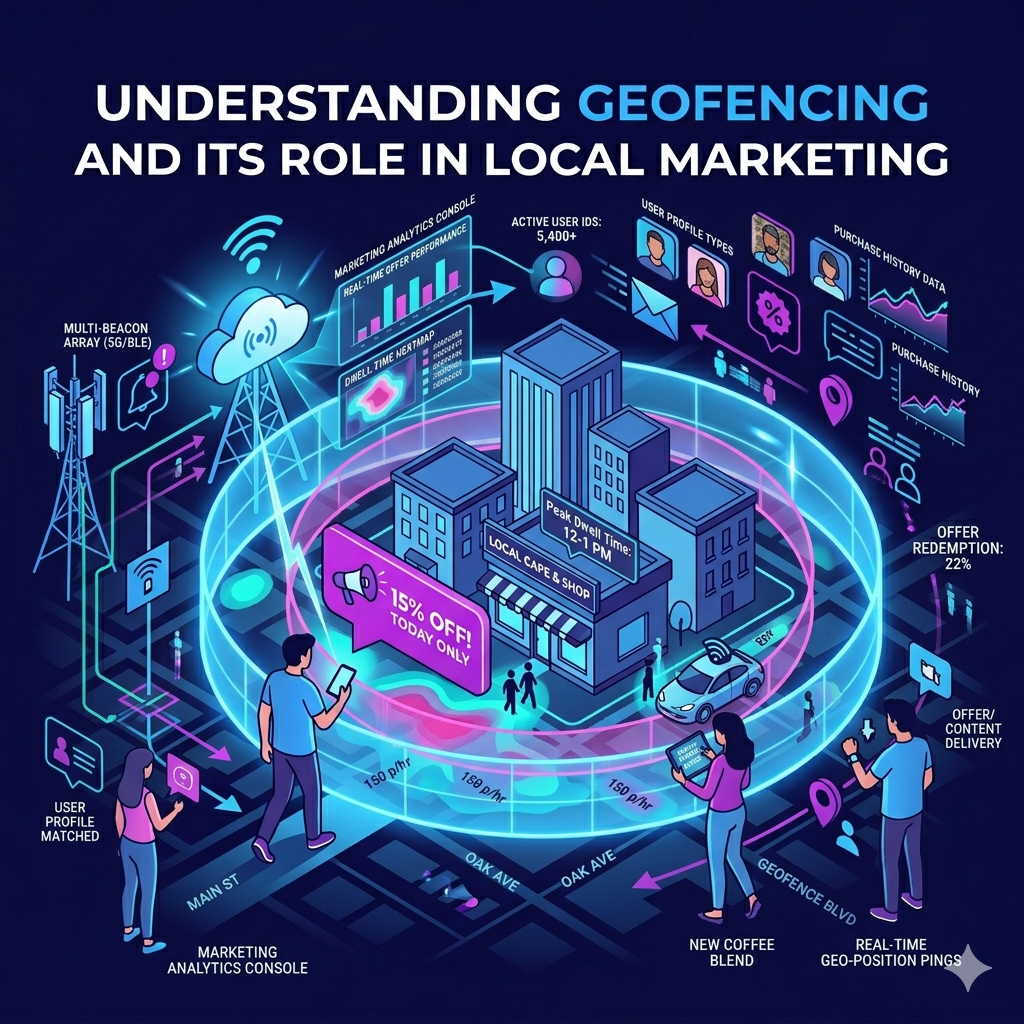
For local franchises, this level of targeting is especially valuable. Instead of trying to reach a broad and often unfocused audience, marketing efforts can be concentrated on people who are physically close to the business or in areas where they are likely to have a related need. This can include competitors’ locations, nearby shopping centers, or residential neighborhoods within a specific radius.
By narrowing the outreach focus, geofencing helps ensure that marketing messages are delivered to individuals more likely to take action. This can lead to increased foot traffic and a stronger return on investment compared to less targeted approaches.
Identifying the Right Locations for Geofencing
One of the most important aspects of a successful geofencing strategy is selecting the right locations. The effectiveness of a campaign depends heavily on where the boundaries are placed and how well those areas align with customer behavior.
Franchise owners should begin by analyzing their existing customer base. Understanding where customers live, work, and spend time can provide valuable insights into where geofencing efforts should be focused. High traffic retail areas, popular local attractions, and complementary businesses are often strong candidates.
For example, a pet store franchise may benefit from placing geofences around dog parks, veterinary clinics, or residential communities with a high number of pet owners. These locations naturally align with the target audience’s interests and needs, increasing the likelihood that marketing messages will feel relevant and timely.
It is also important to consider competitive positioning. Placing geofences around similar businesses can help attract customers who are already in a purchasing mindset. However, messaging in these cases should be carefully crafted to highlight differentiation without appearing overly aggressive.
Crafting Effective and Relevant Messaging
Reaching the right audience is only part of the equation. The content of the message itself plays a critical role in determining whether a potential customer takes action. Geofencing provides an opportunity to deliver highly contextual messaging, but that opportunity must be used thoughtfully.
Messages should be clear, concise, and aligned with the customer’s immediate context. For instance, a promotion that highlights convenience or a limited-time offer may be effective for someone who is already nearby. Similarly, messaging that emphasizes quality, customer service, or unique offerings can help reinforce brand value.
Personalization can also enhance the effectiveness of these campaigns. While geofencing itself is based on location, combining it with other data points, such as past interactions or preferences, can create a more tailored experience. This approach helps ensure that messages do not feel generic or intrusive.
Consistency in branding is equally important. Even though geofencing campaigns are highly targeted, they should still reflect the franchise’s overall identity and voice. This helps build recognition and trust over time.
Integrating Geofencing With Broader Marketing Efforts
Geofencing should not operate in isolation. It is most effective when integrated into a broader marketing strategy that includes both digital and offline channels. This ensures that messaging remains consistent and reinforces other touchpoints.
For example, a geofencing campaign can complement social media advertising by targeting users who have already engaged with the brand online. Similarly, it can support email marketing efforts by encouraging in-store visits through location-based reminders.
Coordination with in-store promotions is also important. If a location-based campaign is driving customers to a physical store, the in-store experience should align with the messaging. This includes having staff prepared for increased traffic and ensuring that advertised offers are clearly communicated.
By aligning geofencing with other marketing efforts, franchises can create a cohesive customer journey that moves seamlessly from awareness to action.
Measuring Performance and Optimizing Campaigns
Like any marketing initiative, geofencing requires ongoing evaluation and refinement. Tracking performance metrics is essential for understanding what is working and where adjustments may be needed.
Key metrics may include click-through rates, conversion rates, increases in foot traffic, and overall return on investment. These data points provide insight into how effectively the campaign is reaching and engaging the target audience.
Testing different approaches can also lead to improved results. This might involve experimenting with different geofence sizes, varying message content, or adjusting the timing of campaign delivery. Over time, these refinements can help optimize performance and ensure that marketing resources are being used efficiently.
It is also important to remain mindful of customer experience. While geofencing can be highly effective, overuse or poorly timed messaging can lead to frustration. Maintaining a balanced approach helps preserve trust and ensures that campaigns remain well-received.
Conclusion
Geofencing offers local franchises a powerful tool for connecting with nearby customers in a meaningful and timely way. By focusing on strategic location selection, thoughtful messaging, and integration with broader marketing efforts, businesses can create campaigns that drive real results. With careful planning and ongoing optimization, geofencing can become a valuable component of a well-rounded marketing strategy, helping franchises strengthen their presence within the communities they serve.
Frequently Asked Questions
Geofencing is a location-based marketing technology that uses GPS, Wi-Fi, or cellular data to create a virtual boundary — or “fence” — around a specific geographic area. When a potential customer enters or exits that defined space with a mobile device, the system automatically triggers a targeted ad, push notification, or promotional message. This happens in real time, meaning your marketing reaches people at the exact moment they are most likely to act. For local franchises, this kind of precision timing is a significant advantage over traditional advertising methods that simply broadcast to a wide, largely unqualified audience.
Local franchises often operate within a specific community or service area, which means their marketing dollars are best spent reaching people who are actually nearby and likely to visit. Geofencing makes that possible by filtering out broad, unfocused audiences and concentrating efforts on individuals who are physically close to the business or in areas where they may have a relevant need. Whether a potential customer is near a competitor, a complementary business, or a high-traffic retail zone, geofencing allows franchises to insert their message at exactly the right moment — increasing the likelihood of foot traffic, engagement, and ultimately, conversion.
Local franchises often operate within a specific community or service area, which means their marketing dollars are best spent reaching people who are actually nearby and likely to visit. Geofencing makes that possible by filtering out broad, unfocused audiences and concentrating efforts on individuals who are physically close to the business or in areas where they may have a relevant need. Whether a potential customer is near a competitor, a complementary business, or a high-traffic retail zone, geofencing allows franchises to insert their message at exactly the right moment — increasing the likelihood of foot traffic, engagement, and ultimately, conversion.
Yes, and this is actually a common and effective tactic known as “competitor geofencing.” When potential customers are physically at or near a competitor’s location, they are already in a purchasing mindset — which makes them a highly valuable audience to target. By serving a well-crafted ad at that moment, you create an opportunity to win them over before they commit. That said, the messaging in these situations needs to be handled carefully. Rather than directly attacking the competitor, focus on what sets your franchise apart — whether that’s better value, a unique product, superior service, or a special promotion. The goal is to present a compelling reason to choose you without coming across as reactive or unprofessional.
An effective geofencing message must strike the right balance between relevance, brevity, and timing. Because these messages are delivered to people on the go, they need to communicate value quickly and clearly — ideally in just a few words or a single compelling offer. Promotions that emphasize convenience, urgency, or exclusivity tend to perform well, such as a limited-time discount or a “stop in today” offer. The message should also feel contextually appropriate to the location where it’s being delivered. A message that feels randomly placed will be ignored, while one that speaks directly to what the customer may be thinking or needing in that moment is far more likely to generate a response.
While geofencing is inherently location-based, layering in personalization data can significantly elevate campaign performance. By combining geographic triggers with information such as past purchase behavior, browsing history, loyalty program data, or demographic profiles, franchises can craft messages that feel specifically tailored to the individual receiving them. This reduces the likelihood of the message feeling generic or spam-like, and instead creates an experience that feels helpful and relevant. For example, a returning customer who has purchased a specific product before might receive a message about a related item or a loyalty reward — making the interaction feel less like an ad and more like a personalized recommendation from a brand they already trust.
Geofencing is a powerful tool, but it delivers the best results when used as part of a comprehensive, multi-channel marketing approach rather than in isolation. When geofencing works alongside social media advertising, email campaigns, content marketing, and in-store promotions, it creates a seamless and reinforcing customer experience. For example, someone who has seen your brand’s social media ads and received an email promotion may be more receptive to a geofencing message when they pass near your location. Additionally, coordinating your geofencing campaigns with in-store readiness is essential — if your ads are driving customers through the door, your staff and promotions need to be prepared to deliver on the promise that was made in the message.
Measuring the effectiveness of a geofencing campaign requires tracking a combination of digital and physical performance metrics. On the digital side, monitor click-through rates, ad impressions, and conversion rates tied to specific calls to action. On the physical side, look for measurable increases in foot traffic, in-store sales during campaign periods, and redemption rates on any offers included in your messaging. Overall return on investment is also a key indicator — comparing the cost of the campaign against the revenue it generated helps determine whether the strategy is financially worthwhile. Reviewing these metrics consistently, rather than just at the end of a campaign, allows you to make real-time adjustments and continuously improve results.
Geofencing campaigns should be treated as living, evolving strategies rather than set-it-and-forget-it efforts. Regular testing and refinement are essential to long-term success. Experiment with different geofence sizes to see how proximity affects engagement — a tighter radius may yield higher intent, while a larger one may capture more volume. Test different message formats, offers, and calls to action to learn what resonates most with your audience. Pay close attention to timing as well, since delivering messages at the wrong time of day can dramatically reduce their effectiveness. It’s also important to monitor message frequency — bombarding the same users with repeated ads can damage brand perception and lead to opt-outs, so maintaining a respectful cadence is critical to keeping your audience engaged.
Geofencing has proven effective across a wide variety of franchise types and industries, from quick-service restaurants and retail stores to fitness centers, automotive services, and beyond. The versatility of the technology means it can be adapted to virtually any business model that relies on attracting local customers. The key to making it work for your specific franchise is thoughtful placement and messaging that aligns with your audience’s real-world behavior and needs. A fitness franchise, for example, might target users near health food stores or parks, while a home services franchise might focus on specific residential neighborhoods. As long as the geofence is placed where your target customers naturally spend time and the message is relevant to their context, geofencing can be a highly effective component of your local marketing strategy.