
Naples Tourists vs. Homeowners: Two Audiences, Two Offers—One Simple Campaign Structure
You’ll convert more by using a single campaign framework with audience-specific swaps rather than building two from scratch. For Naples tourists, run a time-boxed “3-Day Adventure Pass” with urgency, local experiences, and a “Book now” CTA to drive a 15% lift. For homeowners, offer a “Home Winterization Package” focused on safety, savings, and energy efficiency with a “Get a quote” CTA. Keep the same headline structure, but change benefits, visuals, and funnel paths—next, you’ll see exactly how.
Choose One Tourist Offer and One Homeowner Offer
Two offers can anchor your segmented campaign: for tourists, run a discounted “3-Day Adventure Pass” bundling top attractions plus guided tours to drive urgency and lift visitor engagement by up to 15%, especially when you spotlight unique local experiences like culinary stops or outdoor adventures for younger, immersion-seeking travelers. For homeowners, pair it with a “Home Winterization Package” that includes heating and insulation inspections, framed around safety, savings, and energy efficiency. You’ll speak to each target audience’s core motivation: freedom to explore now vs. freedom from surprise repairs later. Keep your marketing campaign laser-focused on two conversion paths: social ads that sell experiences fast, and email that closes service bookings. These special offers create clear value, boost customer engagement, and simplify tracking and optimization.
Use One Shared Campaign Template (Segment-Specific Swaps)
Because you’re selling to two mindsets with two different triggers, you’ll convert faster if you run one shared campaign template and swap only the segment-specific pieces—offer, benefit stack, visuals, and CTA—based on interest targeting. This keeps your integrated marketing lean: one structure, two tailored executions, and cleaner testing. You’ll stop rebuilding campaigns and start buying back time—freedom through focus—while still speaking directly to each audience’s “why.” Use dynamic creative to match intent, then judge winners by performance metrics, not vibes. When targeting homeowners, swap in comfort, savings, and efficiency; for tourists, swap in ease, adventure, and local access.
- One headline framework, two benefit stacks
- Visuals: destinations vs. home transformations
- CTAs: book now vs. get a quote
Map the Tourist vs Homeowner Campaign Funnel
With a shared campaign template in place, you’ll convert more predictably when you map two funnels on top of that structure—same stages, different triggers, channels, and CTAs. In awareness, tourists enter via travel blogs and social, pulled by vibrant visuals and “what to do now” hooks; homeowners enter via home-improvement content marketing and targeted ads, drawn by practical, trust-building headlines.
In consideration, tourists respond to limited-time experience bundles and frictionless planning; homeowners weigh testimonials, transparent pricing, and fast quotes. In conversion, tourists complete on booking platforms with one-tap checkout; targeting homeowners drives to direct forms or calls that feel human and reliable. A/B test offers and creatives at each stage, track drop-offs in analytics, and tune your marketing strategy to lift conversion rates without sacrificing freedom of choice.
Targeting Setup: Reach Tourists vs Homeowners
Although your funnel stages can stay identical, your targeting setup has to split early so you can match intent and lift conversion rates: build tourist audiences from travel interests, attraction visits, and short-term location signals, then build homeowner audiences from home-improvement, gardening, and DIY engagement plus demographic qualifiers like income, marital status, and neighborhood ZIPs. In your digital channels, separate ad sets so budgets don’t bleed and you can reach potential customers with the right offer. Use behavior data to map pain points and exclude irrelevant clicks, especially when targeting homeowners with longer consideration cycles. Then A/B test segments weekly and feed winners more spend to free you from guesswork.
- Layer interests + recent behaviors to tighten intent
- Add demographic filters to reduce wasted impressions
- Build trust by retargeting viewers of customer reviews
Write Tourist Ads for “Right Now” Intent
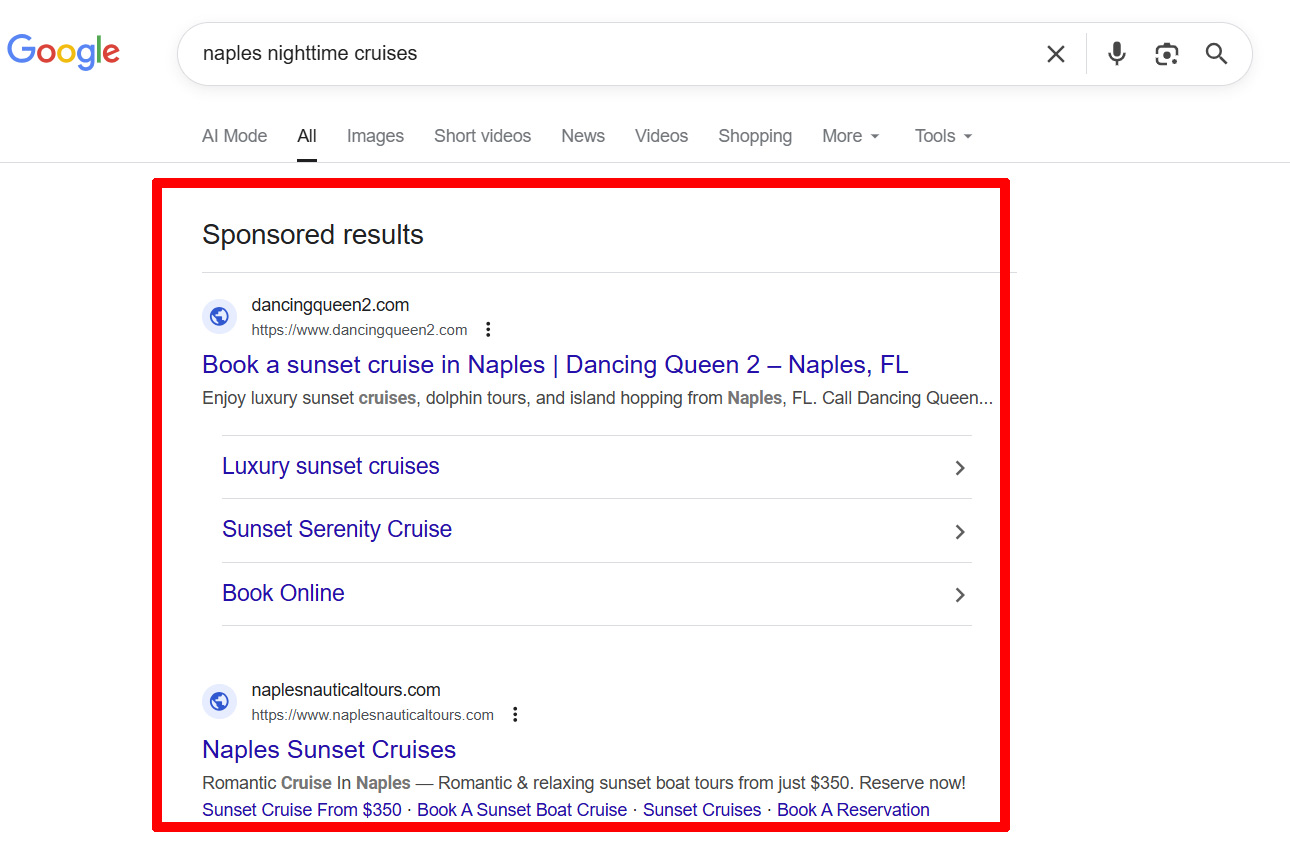
Once you’ve split tourist and homeowner targeting into separate ad sets, you can write tourist creative that captures “right now” intent and converts fast. Lead with immediate booking options: “Reserve in 2 taps—check in tonight,” plus last-minute deals or same-day discounts. Use location-based targeting to hit travelers within a tight radius of your destination, then match the offer to what they can do today—nearby attractions, tours with openings, or rooms available now. Drive action with time-sensitive language like “Book now and save 20% before 6 PM,” and keep the CTA singular: Book. Add social proof from recent guests (“Checked in 3 hours ago—5-star stay”) to reduce hesitation. You’re selling freedom: no planning, no friction, just go.
Write Homeowner Ads That Build Trust Over Time
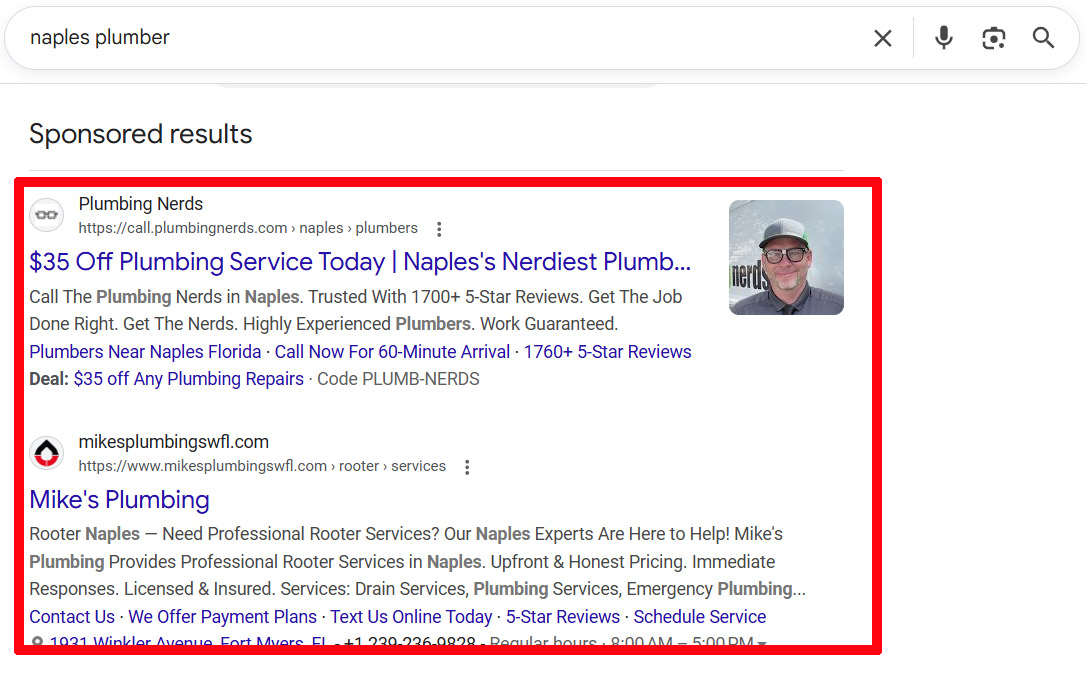
Some homeowners won’t click on a “limited-time” offer—and that’s exactly why your ads should earn trust in layers, not chase impulse buys. Segment by ownership stage (new, long-term, renovating) and speak to real maintenance pain, so your marketing plan stays relevant and frees them from guesswork.
- Show proof: testimonials plus before-and-after visuals that quantify outcomes (time saved, repairs avoided).
- Teach: run an educational content strategy (seasonal checklists, DIY tips) that highlights features and benefits without hard-selling.
- Stay present: retarget with Facebook Pixel to reinforce familiarity, then rotate messages to avoid fatigue.
Close with clear calls to action—“Schedule a free inspection” or “Get a maintenance estimate”—so every click becomes a low-risk first step toward building trust.
Build Landing Pages That Match Each Campaign Offer
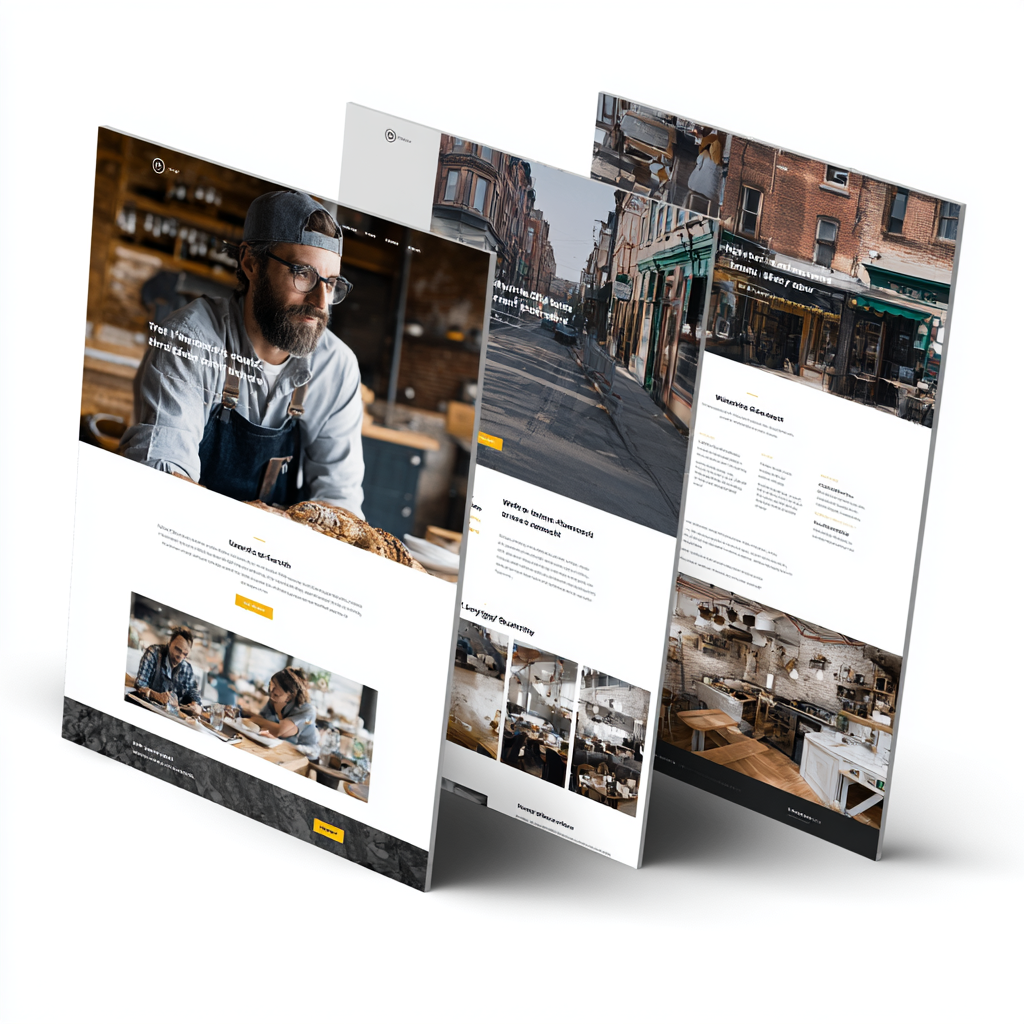
When you send tourists and homeowners to the same generic page, you force both audiences to work harder—and your conversion rate drops. Give each offer its own landing pages so visitors feel instantly understood and free to act.
For homeowners, lead with outcomes: fewer surprises, lower costs, a better-looking property. Use visually appealing images of clean kitchens, cared-for lawns, and finished repairs. Keep copy tight, benefit-first, and service-specific. Then place calls to action where thumbs naturally land: “Schedule an estimate” or “Claim your discount.”
For tourists, spotlight experiences: attractions, tours, and stays. Swap in scenic imagery, simple booking language, and a single primary CTA like “Reserve now.”
Make every page fast and frictionless on mobile devices, with short forms and tap-friendly buttons.
Track and Optimize Results by Audience Segment
Because tourists and homeowners behave differently across the funnel, you should track performance by segment—not in aggregate—so you can reallocate budget to what actually converts. Segmenting your audience lets you see which message, channel, and offer triggers action, rather than guessing based on overall marketing averages. Use analytics to track engagement and conversion rates separately, then run A/B testing within each segment to isolate what works.
- Define key performance indicators per segment: CTR, CVR, ROAS, and lead quality
- Compare creative, landing pages, and offers by audience, not by campaign total
- Build feedback loops from clicks, form fields, and purchases to sharpen targeting
Review KPIs weekly, cut waste fast, and double down where the numbers free your spend and your time.
Conclusion
When you stop casting one wide net, you start landing the right fish. You’ll hook tourists with “right now” urgency—maps, bundles, fast booking—then reel in homeowners with “year-round” confidence—maintenance plans, savings, proof. One campaign template, two segment swaps, cleaner data. You’ll see higher CTR from timely creative, lower CPA from tighter intent, and stronger LTV from trust-building follow-ups. Measure by audience, iterate weekly, and let performance steer every next step.