- Try-on Reels/TikToks
- Outfit-of-the-Day (OOTD) posts
- Styling tip carousels
- Before/after alterations or tailoring clips
- Trend explainer reels (“how to wear…”)
- Staff picks / “what we’re wearing”
- Customer spotlights (with permission)
- Hashtag challenges
- Review screenshots & testimonial videos
- Shareable style quizzes/polls
- Photo contests (best look, seasonal theme)
- Lookbooks (seasonal, occasion-based)
- Style guides by body type/fit
- Capsule wardrobe posts
- “New arrivals” roundups
- Gift guides (price/recipient-based)
- Brand/designer stories
- Weekly new-drop walkthroughs
- Live shopping streams
- Closet edit / wardrobe audit tutorials
- Behind-the-scenes (buying trips, photoshoots)
- Product launch alerts
- Back-in-stock / waitlist drops
- VIP previews & early access
- “Complete the look” cross-sell emails
- Style tips mini-series via SMS
- Shoppable look pages
- Fit & size guide hubs
- Customer gallery (UGC wall)
- FAQ on care/fabrics/sustainability
- Store locator with event calendar
- Event recaps (trunk shows, pop-ups)
- Partnership features (salons, gyms, cafés)
- Neighborhood style guides
- Charitable spotlight posts
- “What to wear” for local occasions (weddings on the beach, charity galas)
- Seasonal trend pages (e.g., “fall sweater edit”)
- Fabric care guides (linen, silk, denim)
- Limited-time offer graphics
- Bundle/pack promos (“office capsule,” “weekend getaway”)
- Loyalty program explainers
- Style quizzes (“find your denim fit”)
- Outfit builders / mix-and-match posts
- Q&A AMAs with stylists

SEO Isn’t Dead: How Keywords Still Drive Qualified Clothing Boutique Shoppers
SEO isn’t dead—you’ll win faster by targeting intent-rich, long-tail keywords that signal size, fabric, occasion, and location. They drive higher CTRs, lower CPCs, stronger ROAS, and more add-to-cart and checkout actions. Map transactional terms to product pages, style themes to category pages, and geo modifiers to local pages with optimized titles, H1S, schema, and internal links. Pair intent-led content with clear CTAs and track sessions to revenue in GA4 and GSC. Next, see how to implement this across your boutique.
Why Intent-Rich, Long-Tail Keywords Beat Broad Terms
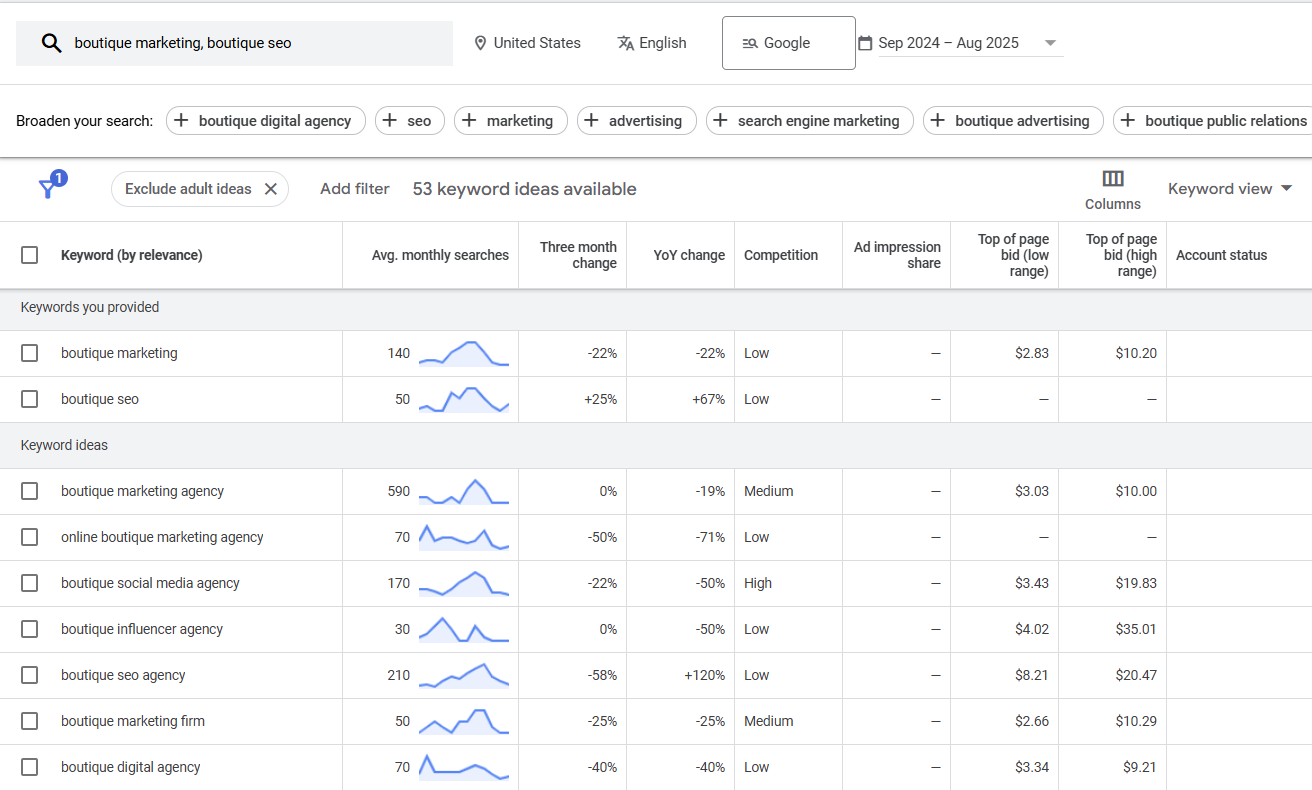
Although broad keywords drive volume, intent-rich long-tail phrases convert. You’re not chasing clicks; you’re curating buyers. Long tail advantages show up in lower CPCs, higher CTRs, and stronger ROAS because keyword specificity matches real purchasing intent—think “petite linen wrap dress under $120” vs. “dresses.” Expect smaller impressions, but you’ll see measurable increases in add-to-cart and checkout rates as friction decreases.
Use search data to pinpoint modifiers that signal readiness, such as size, fabric, occasion, price, and location. Layer these with seasonal cues (e.g., “fall wedding guest silk midi”) to capture micro-moments. Benchmark performance by intent tier: high-intent long tails should deliver higher conversion rates and lower CPA. Iterate fast—test synonyms, reorder terms, and prune underperformers—precision compounds, making every visit count.
Mapping Keywords to Product, Category, and Blog Pages
When you map keywords to intent, you turn search demand into a clean site architecture that ranks and converts. Start with keyword research to segment terms by funnel stage: product-level (transactional), category-level (commercial), and blog-level (informational). Map “buy,” size, color, and fabric modifiers to product pages; aggregate style, season, and trend themes to category pages; assign care, styling, and comparison queries to blogs.
Ensure semantic relevance by aligning titles, H1S, filters, and internal links to each mapped cluster. Use canonical tags for variants and structured data for product availability, price, and reviews. Build hub-and-spoke internal linking: category hubs link down to products and laterally to related guides; blogs link up to categories. Track CTR, add-to-cart rate, and assisted revenue to validate mappings and iterate.
Leveraging Local Signals to Capture Nearby Shoppers
How do you turn “near me” intent into foot traffic and high-intent conversions? Start by optimizing your Google Business Profile: ensure an accurate NAP, select the primary category “Clothing store,” include inventory highlights, and use UTM-tagged links. Add geo-specific keywords to title tags and H1S (e.g., “boutique in [Neighborhood]”), and embed a dynamic map on key pages to strengthen local search relevance.
Standardize citations across directories, enable location schema, and publish in-stock product availability to power “nearby” discovery. Drive customer engagement with SMS offers triggered by geofencing, and use click-to-call, reserve-in-store, and curbside pickup CTAs to reduce friction. Collect and respond to reviews within 48 hours—stores with 4.5+ ratings convert 28% more: track impressions, direction requests, and store visits in GA4 to iterate fast.
Content That Answers Real Questions and Converts
Local visibility gets shoppers to your pages; smart content turns them into buyers. Build a content strategy that answers intent-rich queries: “best petite summer dresses,” “how to style a satin midi,” “ethical fabrics explained,” “boutique returns policy.” Map questions to formats—bite-size fit guides, 30-second styling videos, comparison charts, and shoppable lookbooks. Use schema for FAQs and product details so answers surface in rich results.
Here are some content possibilities:
Align with consumer behavior signals. Analyze search terms, on-site search, and scroll depth to prioritize topics that reduce friction: sizing, fabric care, shipping speed, and restock alerts. Pair educational content with clear CTAs—add-to-cart, size finder, reserve-in-store. Embed UGC and short reviews near decision points. Optimize headings, alt text, and internal links to move visitors from discovery to confident purchase with fewer clicks.
Measuring Impact: From Rankings to Revenue
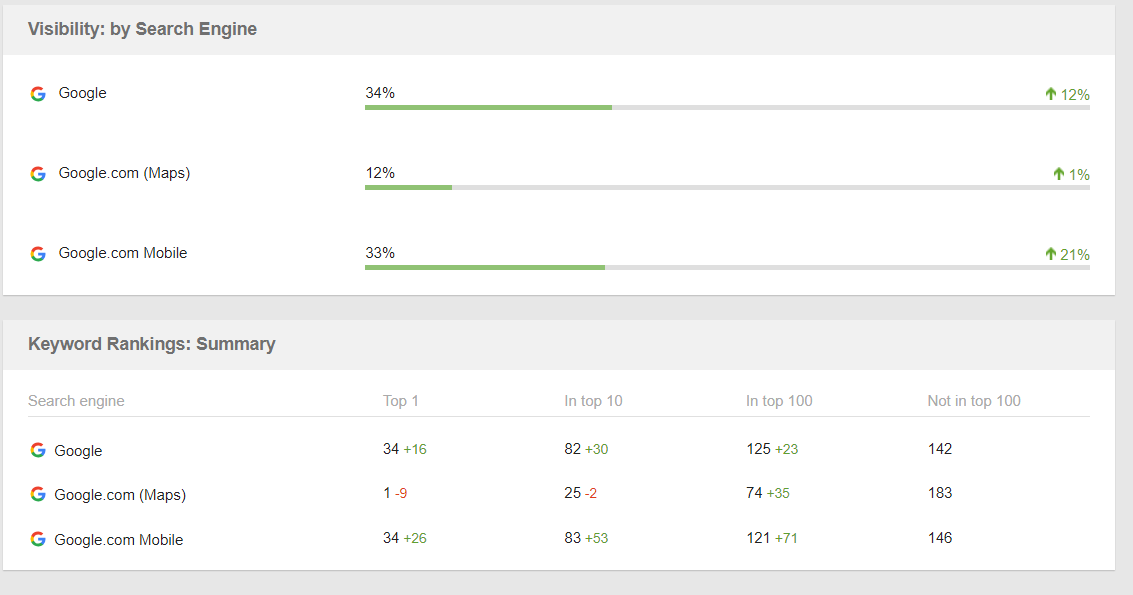
Although rankings signal visibility, you’ll prove SEO’s value by tying search to profit. Start with keyword performance analysis: map each query to landing pages, intent, CTR, and assisted conversions. Track organic sessions to add-to-cart, checkout start, and order—layer cohort data to see which keywords drive first-time buyers versus repeat purchasers.
Build revenue tracking strategies that connect Google Search Console, analytics, and your POS or ecommerce platform. Use UTM rigor, server-side events, and product-level attribution to align keywords with margin, not just AOV. Segment by device, location, and inventory status to prevent spending on out-of-stock demand—set targets include cost per incremental order, ROAS, and LTV: CAC by keyword cluster. Then prioritize pages and links where incremental profit, not rank, is highest.
Conclusion
You don’t need broad keywords—you need intent-rich long tails that match how shoppers actually search. Map them to product, category, and blog pages, layer in local signals, and publish content that answers real questions and reduces friction. Then track everything from rankings to revenue, not vanity metrics. Do this, and your qualified traffic won’t just rise—it’ll explode like a supernova. Start optimizing today, test relentlessly, and turn search demand into measurable sales growth.