Marketing Tactics for Aviation Businesses on Building Loyalty With Frequent Travelers
In the competitive aviation industry, building loyalty among frequent travelers is both a priority and a challenge. Airlines, charter services, and private aviation companies must go beyond basic service offerings to create meaningful, long-term relationships with their customers. Frequent travelers, whether business professionals or leisure passengers, expect consistency, efficiency, and personalization at every stage of their journey. Meeting these expectations requires a thoughtful blend of marketing strategies, operational excellence, and customer engagement.
Loyalty in aviation is not secured through pricing alone. Travelers are increasingly drawn to brands that understand their preferences, anticipate their needs, and deliver a smooth, reliable experience. As competition intensifies, aviation businesses must adopt innovative marketing tactics that strengthen trust and encourage repeat engagement.
Personalization as a Cornerstone of Customer Experience
Personalization has become a defining factor in customer loyalty across industries, and aviation is no exception. Frequent travelers value experiences that feel tailored to their habits and preferences. This can include customized booking options, preferred seating arrangements, and targeted communication that reflects past travel behavior.
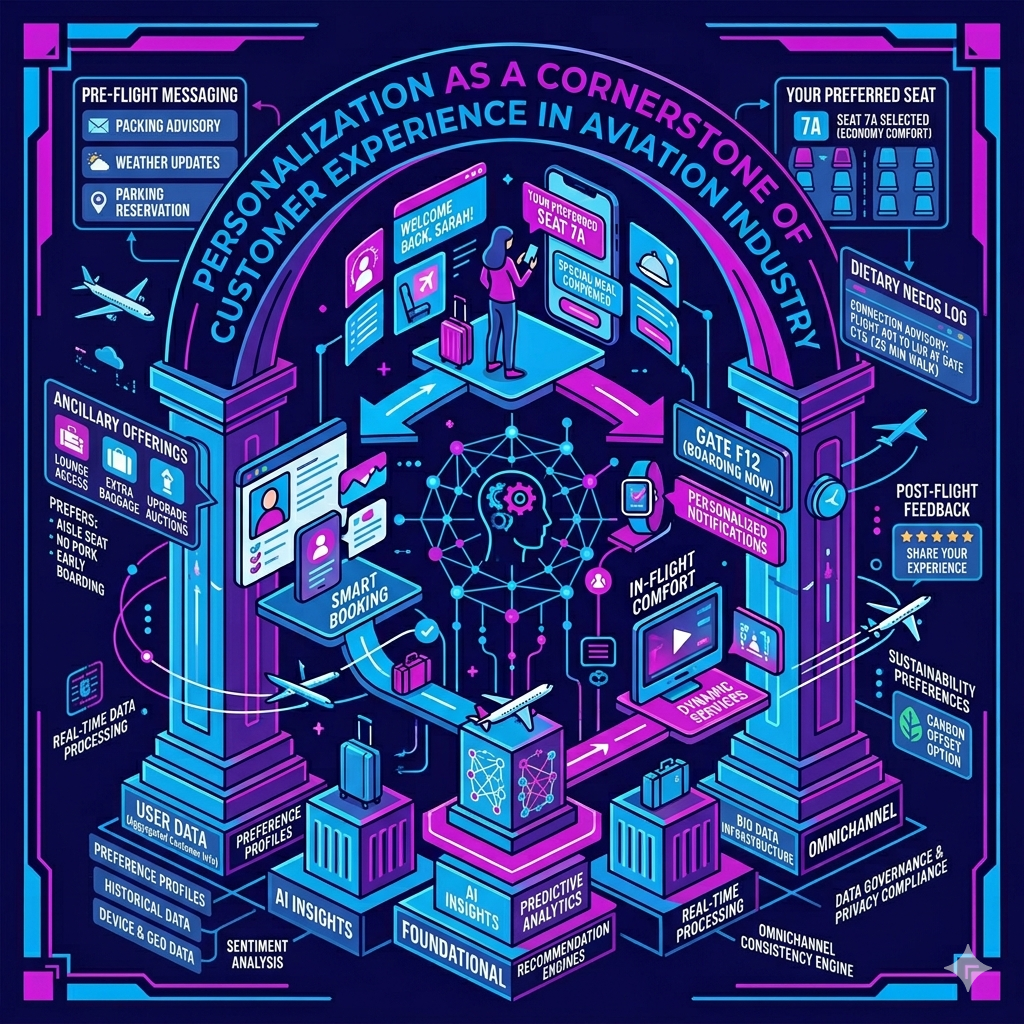
Advanced customer relationship management systems allow aviation companies to collect and analyze data, enabling more precise segmentation and targeted marketing efforts. Personalized loyalty programs that offer rewards aligned with individual travel patterns are particularly effective. For example, a business traveler might value priority boarding and lounge access, while a leisure traveler may appreciate discounted upgrades or bundled vacation packages.
Communication also plays a vital role. Timely updates, personalized offers, and responsive customer support contribute to a seamless travel experience. By making each interaction feel relevant and intentional, companies can foster a sense of connection that encourages repeat bookings.
Leveraging Technology for Seamless Journeys
Technology is central to improving both operational efficiency and customer satisfaction. Mobile apps, self-service kiosks, and digital boarding passes simplify the travel process and reduce friction points. For frequent travelers who prioritize speed and convenience, these tools are essential.
Behind the scenes, technology enables better coordination across various aspects of aviation operations. Real-time data helps companies monitor flight schedules, manage disruptions, and optimize resource allocation. When disruptions occur, proactive communication and quick resolution can make a significant difference in how travelers perceive the brand.
Marketing efforts should highlight these technological advantages. Demonstrating a commitment to innovation reassures customers that their time and convenience are valued. Transparent communication about new features or improvements also helps build trust and encourages adoption.
Building Trust Through Operational Reliability
Reliability is one of the strongest drivers of loyalty in the aviation industry. Frequent travelers depend on consistent performance, from on-time departures to efficient baggage handling. When operations run smoothly, customers are more likely to remain loyal even in the face of competitive pricing from other providers.
Maintenance and safety standards are critical components of this reliability. Aviation businesses invest heavily in ensuring that aircraft meet rigorous performance criteria. This involves not only major components but also specialized materials that support system integrity. For example, hydraulic systems rely on high-quality fluids, such as MIL-PRF-5606 fluid, to maintain proper functionality under demanding conditions, underscoring the importance of dependable supply chains and maintenance practices.
Marketing messages that emphasize safety and reliability resonate strongly with travelers. Highlighting certifications, maintenance protocols, and operational consistency can reinforce confidence and differentiate a brand in a crowded market.
Enhancing Loyalty Programs with Meaningful Benefits
Traditional loyalty programs based on points and miles are no longer sufficient on their own. Frequent travelers are looking for programs that offer tangible value and flexibility. Aviation businesses must design loyalty initiatives that go beyond transactional rewards and create memorable experiences.
Tiered programs can enhance engagement by providing a clear path to additional benefits. Exclusive perks such as priority check-in, access to premium lounges, and personalized travel assistance can make customers feel valued. Partnerships with hotels, car rental services, and lifestyle brands also expand the appeal of loyalty programs, allowing customers to use rewards in a variety of ways.
Flexibility is another key factor. Allowing customers to redeem rewards without excessive restrictions or blackout dates increases satisfaction and encourages continued participation. By focusing on value and convenience, companies can transform loyalty programs into powerful tools for customer retention.
Strengthening Brand Connection Through Consistent Engagement
Building loyalty requires ongoing engagement that extends beyond individual transactions. Aviation businesses should focus on maintaining a consistent presence in their customers’ lives across various channels. Email newsletters, social media, and mobile notifications provide opportunities to share updates, promotions, and travel inspiration.
Storytelling can play a significant role in this effort. Sharing insights into destinations, highlighting customer experiences, and showcasing behind-the-scenes operations can create a more human connection with the brand. Travelers are more likely to remain loyal to companies that feel approachable and authentic.
Customer feedback is another valuable tool. Encouraging travelers to share their experiences and acting on that feedback demonstrates a commitment to continuous improvement. When customers see that their input leads to meaningful changes, it strengthens their trust in the brand.
Consistency is essential in all communication efforts. A unified voice and message across channels helps reinforce brand identity and ensures that customers know what to expect. Over time, this consistency builds familiarity and confidence, key components of long-term loyalty.
Conclusion
Building loyalty among frequent travelers requires a strategic and customer-focused approach. Aviation businesses must combine personalization, technology, reliability, and meaningful engagement to create experiences that resonate with their audience. Each interaction presents an opportunity to strengthen the relationship and reinforce the brand’s value.
As traveler expectations continue to evolve, companies that remain adaptable and attentive will be best positioned to succeed. By prioritizing trust, convenience, and a genuine understanding of customer needs, aviation businesses can cultivate lasting loyalty in an increasingly competitive landscape.
Frequently Asked Questions
Building true loyalty begins by defining your key customer segments and moving beyond basic demographics to include robust psychographic and behavioral data. Conduct comprehensive audits of touchpoints to ensure you are delivering “Personalized Value” at every interaction rather than generic offers. Develop highly targeted lifecycle campaigns, ensuring every brand message is relevant and resonant with each specific profile.
This is paramount; fragmented and disjointed experiences erode customer loyalty quickly. You must seamlessly connect every touchpoint your mobile app, website, in-flight entertainment, and gate agents. Integrate data silo systems into a single customer view to ensure a uniform, relevant experience, enabling a customer to seamlessly pick up where they left off, regardless of the channel or device, while showing full awareness of their status and previous interactions.
To build lasting trust, you must implement transparent data practices and give customers clear control over their preference profiles. Once a secure foundation is built, leverage historical, device, and geo-data to anticipate needs rather than just reacting to them. By pairing real-time data processing with sophisticated sentiment analysis, you can deliver highly tailored rewards and communications that feel uniquely helpful rather than intrusive.
Modern frequent flyers are often points-rich but time-poor; they want frictionless luxury and memorable experiences. Elevate your loyalty ecosystem by introducing dynamic ancillary offerings like exclusive airport lounge access, personalized upgrade auctions, and priority lane skip options. Tailor these perks to individual preferences (e.g., automatically offering an aisle seat preference or early boarding) to make the travel day feel entirely premium and customized.
AI is the connective tissue of modern personalization. By feeding clean customer data into AI logic engines, you can transition from static marketing to predictive analytics that forecast future travel behaviors. These systems power real-time recommendation engines, automatically pushing hyper-relevant flight deals, ancillary add-ons, or partner offers exactly when the traveler is most likely to convert, optimizing both yield and customer satisfaction.
This phase is vital because it is the actual delivery of your service promise. Consistently use historical and real-time data to pre-set cabin preferences, curate highly relevant in-flight entertainment recommendations, and deliver pre-ordered dietary options seamlessly. Establish dynamic feedback loops to follow up instantly with personalized post-flight interactions that address specific journey highlights or concerns, demonstrating that you are listening and reacting in real time to their journey.
Gathering feedback is only half the battle; the magic happens in how you respond. Use automated sentiment tracking to flag low-scoring reviews or specific complaints instantly. If a frequent flyer reports a negative experience, your system should automatically trigger a personalized apology accompanied by a meaningful remedy—such as bonus miles, a lounge pass, or a complimentary upgrade on their next segment—turning a potential defection into a loyalty-deepening moment.
Today’s frequent travelers are increasingly eco-conscious and favor brands that align with their personal values. Integrate seamless carbon offset options directly into the booking and rewards processes, allowing flyers to redeem loyalty points toward sustainable aviation fuel (SAF) initiatives or global conservation projects. Clearly showcase your brand’s green milestones within their account dashboards to authentically appeal to the growing demographic of environmentally conscious frequent flyers.
Strategic partnerships allow you to extend your brand’s footprint into the traveler’s everyday life. Build an interconnected network with complementary industries—such as premium hotels, luxury car rentals, global dining experiences, and financial institutions. This enables co-branded credit cards and shared rewards systems that keep your brand top-of-mind even when the customer isn’t flying, vastly expanding the utility and perceived value of your loyalty points.
The future will demand true hyper-personalization at scale, driven by advanced predictive diagnostics. Travel will move toward a seamless multimodal model, where your airline app coordinates and personalizes not just the flight, but connected ground transit and hotel check-ins. Loyalty will be won by airlines that act as predictive concierges—anticipating disruptions before they happen, dynamically rerouting itineraries, and delivering proactive solutions via a unified, omni-channel ecosystem.